
Washington’s Offensive Fails to Restructure Middle Eastern Power
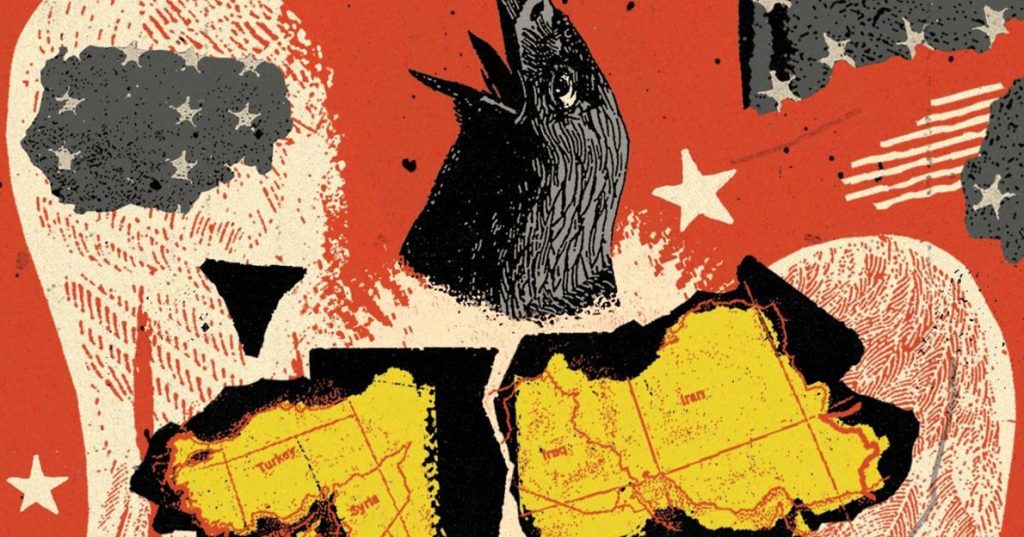
Six months after military strikes against Tehran, the campaign to reshape the Middle East has devolved into an exhausting war of attrition. Iranian deterrence remains resilient, key maritime transit routes face severe disruption, and traditional Gulf allies are openly questioning the reliability of American security guarantees.
Mass Immigration Hearings Threaten Constitutional Protections

To clear a massive backlog of over three million pending cases, the federal government has implemented mass immigration hearings. Pushing over a hundred respondents into single courtrooms for rapid roll calls, critics warn that prioritized administrative efficiency and forced quotas risk sacrificing basic due process and constitutional rights.
Israel Risks Global Isolation Over Diplomatic Purges
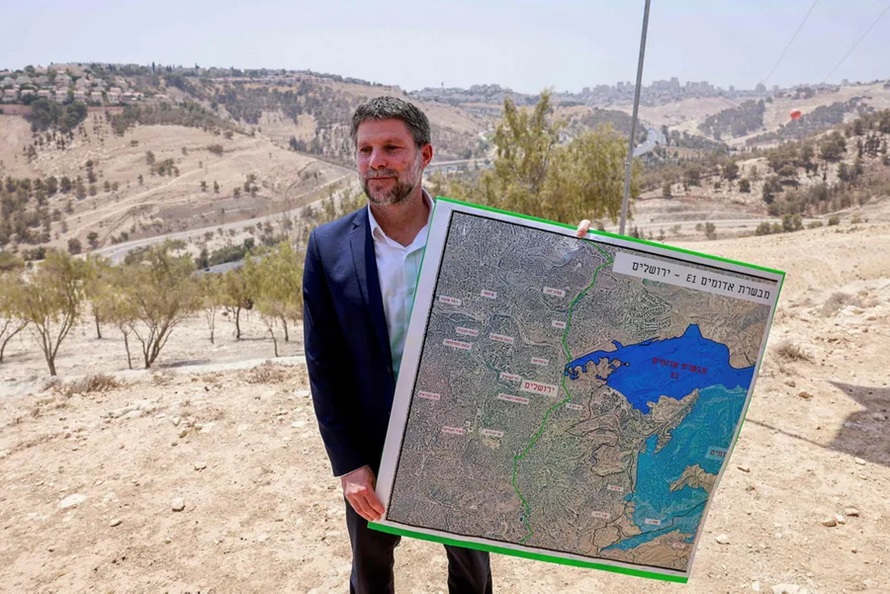
As Israel expels European representatives from the Gaza coordination center in Kiryat Gat, diplomatic rifts with major allies are widening rapidly. Fueled by domestic political theater and mounting disputes over West Bank settlement expansion, these aggressive purges threaten to transform temporary geopolitical friction into permanent isolation.
India Anchors Eurasian Strategy in the SCO
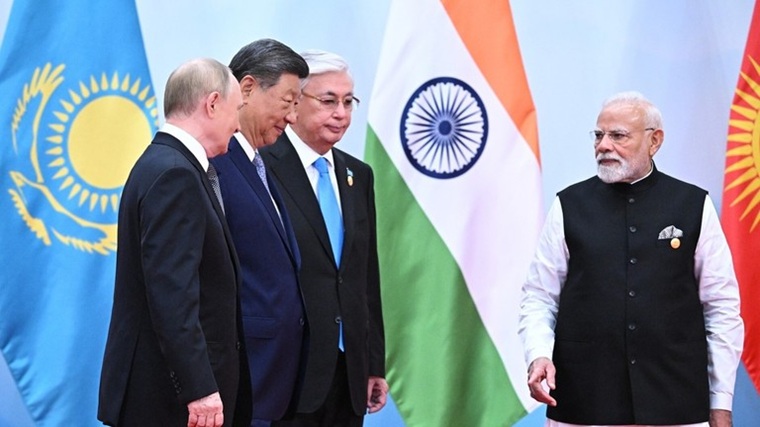
India uses the SCO to preserve strategic autonomy across Eurasia. Engaging directly with rivals allows New Delhi to balance maritime commitments with continental security. This vital presence prevents unchallenged dominance by competitors and ensures a multipolar region despite ongoing trade challenges.
Failed Decapitation Strikes Reshape Middle East Power
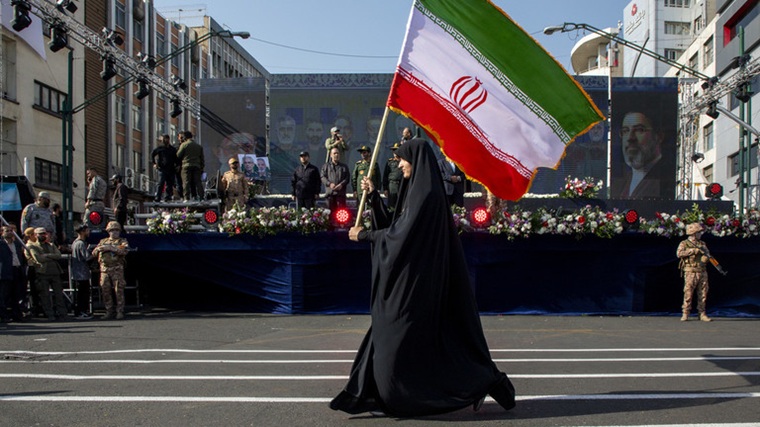
Attempts to decapitate Iranian leadership have triggered a disastrous war of attrition and a severe global energy crisis. With the Strait of Hormuz closed, oil prices soaring, and US national debt surpassing $40 trillion, regional allies are forming independent defense pacts—signaling a major shift in Middle Eastern geopolitical power.