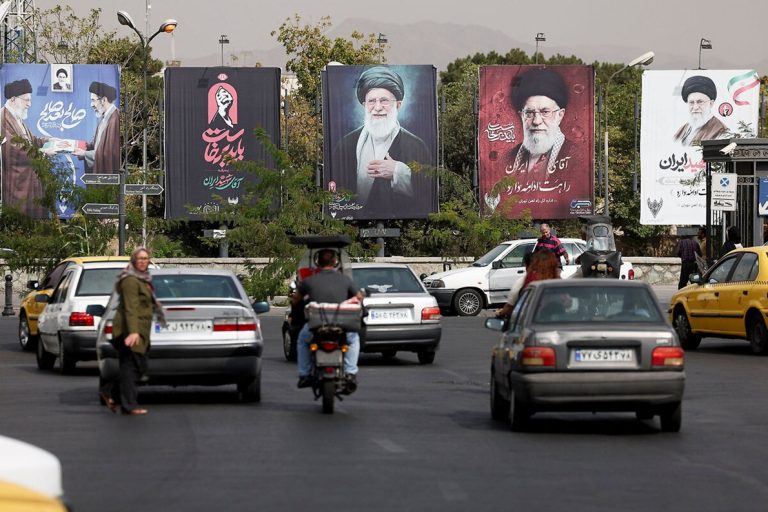
The military offensive launched against Tehran half a year ago was originally planned as a swift and decisive operation. Instead the protracted conflict has severely disrupted global trade networks and created profound diplomatic anxiety worldwide. Allied nations increasingly question the reliability of American security guarantees as the campaign consumes vast military resources with no clear end in sight. The resulting geopolitical vacuum empowers rival nations to aggressively project their own influence across disputed territories.
European capitals initially shared Washington concerns regarding Iranian nuclear ambitions and regional aggression. However the sudden military intervention deeply alienated traditional transatlantic partners who suddenly faced soaring energy costs and immediate economic instability. The Trump administration publicly berated NATO members for declining to participate in a war they never helped plan. This diplomatic hostility forced European leaders to reconsider their absolute reliance on American military deterrence. The diversion of crucial defense materials away from European bases leaves the continent feeling particularly vulnerable.
The strategic shift creates equally intense anxiety across the Pacific theater. South Korean defense planners watched with alarm as American forces suddenly redirected critical missile interceptors away from the peninsula to support the Middle Eastern operations. Washington then abruptly scaled back joint military exercises after Seoul refused to commit resources to the Iranian campaign. This perceived abandonment forces regional allies to recalculate their own security postures against unpredictable neighbors. Analysts warn that Pyongyang interprets the Iranian vulnerability as definitive proof that nuclear disarmament guarantees national destruction.
Expanding Adversarial Influence
While traditional alliances fracture Beijing eagerly capitalizes on the American strategic distraction. Chinese military forces aggressively test territorial boundaries in the South China Sea and increase maritime pressure on Taiwan. Concurrently Chinese diplomats actively cultivate new relationships throughout the Arab world to position their nation as a stable alternative to American volatility. Beijing openly defies new international sanctions by purchasing Iranian oil and supplying critical logistical support to the embattled government. Chinese academics openly declare that the current crisis fundamentally accelerates the transition toward a new global order.
The campaign produces highly mixed reactions among other prominent regional actors. Following a successful American intervention in Venezuela earlier this year several Latin American leaders enthusiastically endorsed the application of overwhelming military force. Conversely the Israeli public expresses deep frustration over the failure to neutralize the Iranian nuclear program. Citizens spent weeks sheltering from retaliatory ballistic missile barrages only to realize the American strategy focused on regime change rather than weapons elimination. Prominent Israeli defense officials now openly criticize the tactical execution of the operation which ultimately damaged bilateral trust without securing primary defense objectives.
The protracted military engagement fundamentally alters the global balance of power by exposing the limits of unilateral military action. Friends and foes alike now recognize that Washington struggles to manage multiple global theaters simultaneously. As the conflict drags into its seventh month the international community increasingly seeks alternative security arrangements outside traditional American frameworks. The ultimate casualty of the war may be the very global leadership role the offensive sought to assert.
Original analysis inspired by Mark Sappenfield from Christian Science Monitor. Additional research and verification conducted through multiple sources.