
Steve Jones on dangerous tech innovations – cartoon
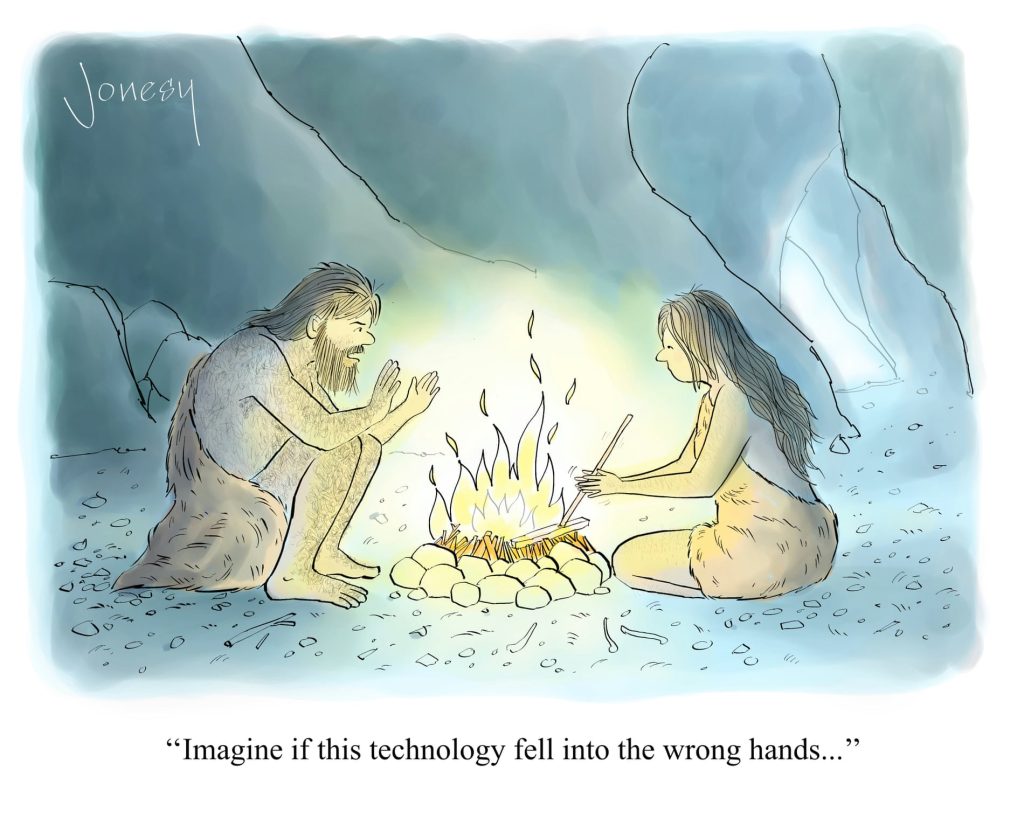
Analysis: The cartoon depicts early prehistoric hominids encountering an open flame alongside modern corporate technologists operating beside an ominous, superheated data processing core. Jones visualizes artificial intelligence not merely as a commercial breakthrough, but as an ungoverned, elemental force that shifts rapidly from utility to systemic vulnerability. The strategic relevance lies in illustrating the precarious governance gap confronting global powers, where competitive pressures prevent the establishment of non-proliferation safeguards on sovereign dual-use technologies.
Washington’s Ukraine Policy and What’s Next in the War
Analysis: This briefing interrogates the strategic tension between Washington’s incremental defense assistance framework and Moscow’s entrenched posture of economic and military mobilization. The core message emphasizes that tactical battlefield adjustments cannot compensate for the absence of an integrated, long-term political endgame accepted across NATO member states. For international analysts, this friction highlights how prolonged Western strategic exhaustion accelerates deeper industrial and technological interdependence across the Eurasian bloc, altering the global balance of power.
The Coming Battles Over American Foreign Policy

Analysis: Drawing on insights from veteran strategists Kori Schake and Thomas Wright, this discussion examines how shifting legislative balances constrain executive unilateralism while managing active hostilities in the Middle East and strategic friction with Beijing. The underlying assessment highlights an accelerating erosion of bipartisan consensus, revealing the tangible limits of American deterrence as systemic global commitments collide with domestic polarization. This dynamic matters directly for international statecraft because growing legislative friction in Washington will accelerate multipolar fragmentation, compelling traditional allies to hedge through independent strategic initiatives.
Why White Collar Professionals Are Quitting Over AI Disruption

While widespread AI-driven layoffs remain limited, white-collar professionals are preemptively resigning from desk jobs. Facing mandatory automation quotas, stripped-down creative roles, and persistent fears of displacement, many are turning to trades, public service, and independent careers to regain autonomy.
What the 2026 US Midterm Elections Reveal About Future AI Policy
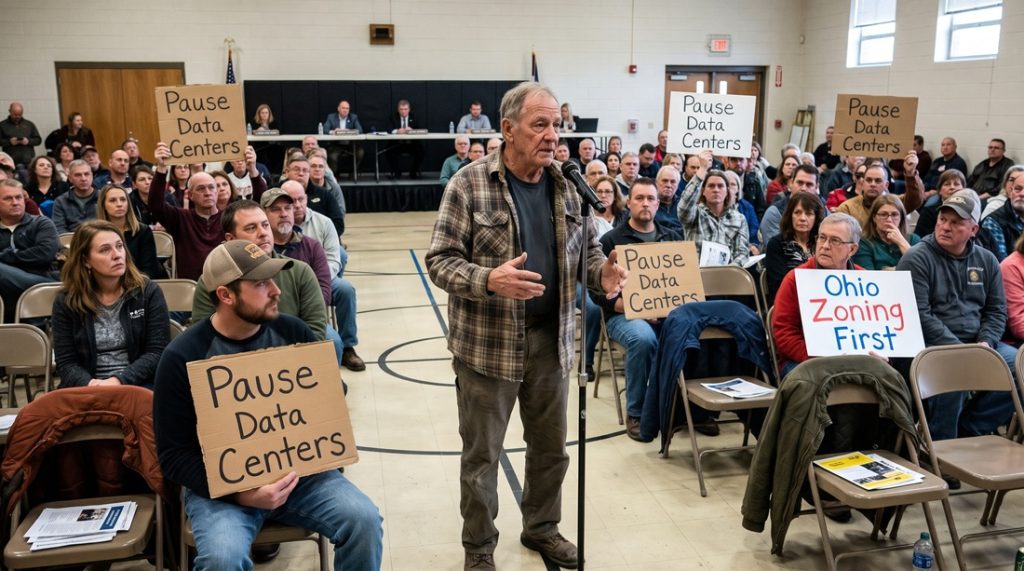
Fears of AI election interference failed to materialize in the 2026 midterms, but political battles over AI shifted to physical infrastructure. Driven by voter concerns over soaring utility bills and local land use, the debate is moving to statehouses and municipal zoning boards amid federal gridlock.
Water and Power Shortages Halt Southeast Asia Data Center Boom
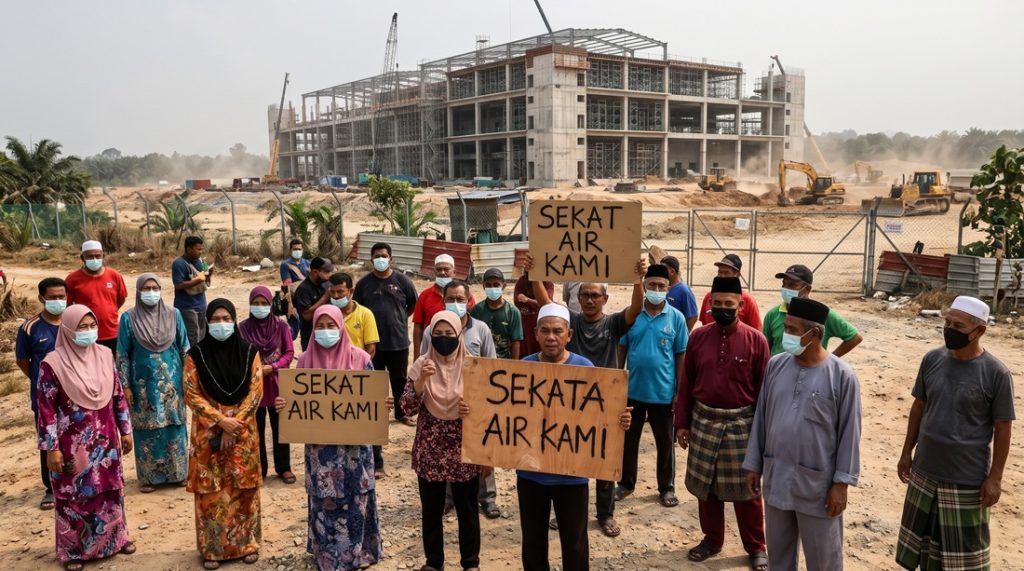
Southeast Asia’s AI data center boom is hitting a wall as severe water and electricity shortages trigger regulatory freezes across Malaysia, Thailand, and Indonesia. Amid strained power grids and rising public outcry, governments are enforcing stricter environmental rules on tech giants.
Voter Backlash Against Trump Tariffs Tests Incoming US Congress
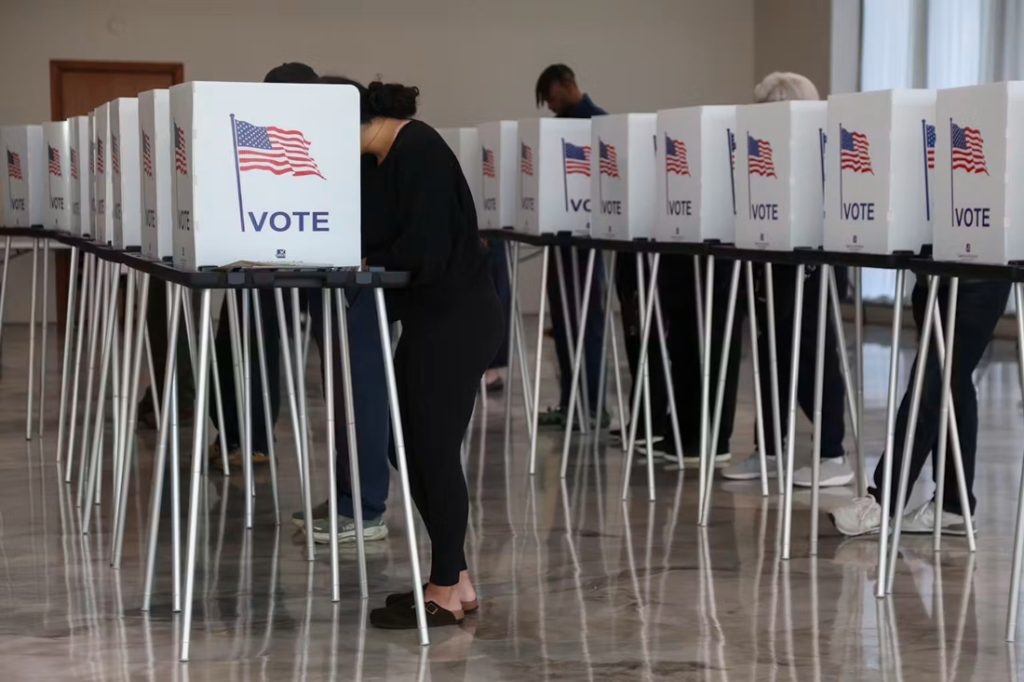
Consumer anger over higher living costs and sweeping import duties drove strong Democratic gains in the 2026 midterms. Now, incoming lawmakers face the challenge of reining in executive trade powers and rolling back unilateral tariffs without holding a veto-proof majority against the White House.