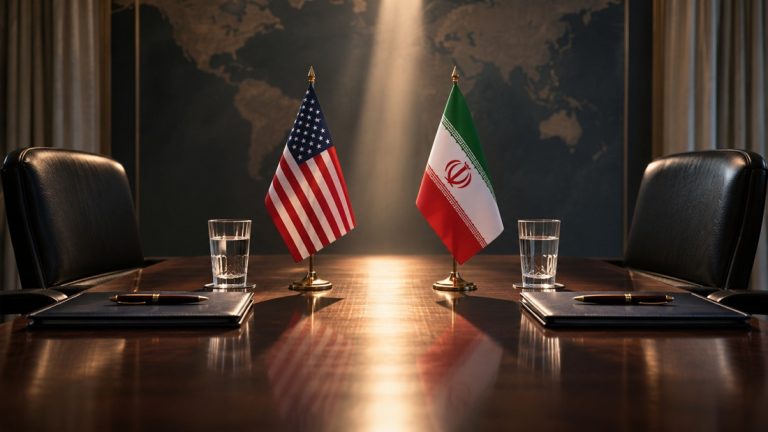
The US election has changed the political setting for negotiations with Iran without determining their outcome. Reuters reports renewed expectations in parts of the Gulf that Donald Trump may have stronger incentives to pursue an agreement. That is a possible consequence of electoral pressure, not evidence that either government has accepted the terms needed to end the conflict.
A weakened domestic position can affect negotiations in conflicting ways. A president may seek a diplomatic achievement that reduces economic pressure and restores political initiative. Alternatively, efforts to demonstrate resolve can make compromise harder. For negotiators, the useful question is therefore what each side can credibly offer and implement, rather than whether one leader appears politically embarrassed.
Markets have already reacted to uncertainty, with the dollar weakening as investors reassessed policy prospects after the Democratic victories. That movement should not be read as a precise forecast of diplomacy. The same reporting connects investor concerns to artificial intelligence regulation and growth, illustrating how several expectations can influence one market price.
The congressional dimension also requires precision. The White House’s own account of the legislative branch recognizes congressional powers over legislation, war declarations and investigations. Exercising those powers against a resistant president is a separate political task. A majority can demand explanations and challenge policies while still struggling to establish a binding alternative.
The veto remains central to that difficulty. House historical guidance sets the threshold for overturning a presidential rejection at two thirds of each chamber. Any prediction of an automatic foreign policy reversal therefore goes beyond what congressional control alone can deliver. The more defensible inference is that the administration will face stronger scrutiny and a less accommodating legislative environment.
For Iran and regional intermediaries, the opening is worth testing through concrete proposals. Reciprocal steps, implementation schedules and clear conditions would reveal more than public claims about who won or lost the American election. Domestic pressure may help create space for an agreement. Whether that space produces peace depends on bargaining choices still to come.
Original analysis inspired by the Reuters reporting team from Reuters. Additional research and verification conducted through multiple sources.