Category: Expert Insights

Thick smoke billowing from an industrial oil refinery facility after an attack or explosion.

Calling Iran “Animals” Didn’t Win the War, It Helped Lose It

The recent conflict highlights how dehumanizing rhetoric and strategic contempt toward Iran resulted in significant military and intelligence failures. By dismissing the adversary’s scientific capacity and strategic depth, policymakers built a strategy on fiction, ultimately leading to a costly stalemate that failed to achieve its primary geopolitical objectives.

Read More »
Thick black smoke rising from an industrial oil facility near mountains and a highway.

Iran Ceasefire Holds as US and Tehran Eye Tough Talks

As the April 22 expiration date looms, the fragile US-Iran ceasefire faces its toughest test. Despite high-stakes negotiations in Islamabad, no “affirmative commitment” has been reached on nuclear limits or sanctions relief. With the Strait of Hormuz still effectively restricted and Israel’s intensifying ground campaign in Lebanon, the region remains trapped in a volatile limbo between a stopgap truce and the threat of a full naval blockade.

Read More »
An open Persian children's storybook featuring an illustration of a group of birds attacking an elephant.

What Iran Teaches Its Children and Why Washington Never Listened

Understanding Iran’s wartime behavior requires looking at its classrooms, not just its missile silos. For decades, Iran’s national curriculum has fused Islamic values with ancient Persian resilience, teaching generations that collective resistance against a “superior elephant” is the only moral response. Washington’s failure to grasp this cultural foundation explains why 40 days of strikes have consolidated national identity instead of fracturing it, as the “sparrow vs. crocodile” mindset remains the heart of Tehran’s asymmetric doctrine.

Read More »
A large Iranian flag waving in an urban square with a man holding the flagpole.

Six Reasons the Iran Ceasefire Could Collapse Before It Holds

The Pakistan-brokered ceasefire is already fracturing as Israel’s “Operation Eternal Darkness” hits 100+ targets in Lebanon. Beyond the immediate violence, six fundamental “fault lines”—including clashing victory narratives, unresolved nuclear enrichment, and Iran’s intact proxy networks—suggest that the Islamabad talks may struggle to turn this 14-day pause into a lasting peace.

Read More »
Donald Trump speaking at a podium with a large, blurred American flag in the background.

Cuba Is Not Venezuela And Trump’s Playbook Won’t Work There

As Cuba’s national grid collapses following the end of Venezuelan oil shipments, Washington’s pressure-cooker strategy faces a reality check. Unlike Venezuela, Cuba lacks the resources to attract quick investment, while the Helms-Burton Act’s rigid legal requirements and decaying infrastructure make a simple leadership shuffle nearly impossible without a massive reconstruction plan.

Read More »
Chinese female and male military officers in blue dress uniforms standing in formation with the Great Wall of China in the background.

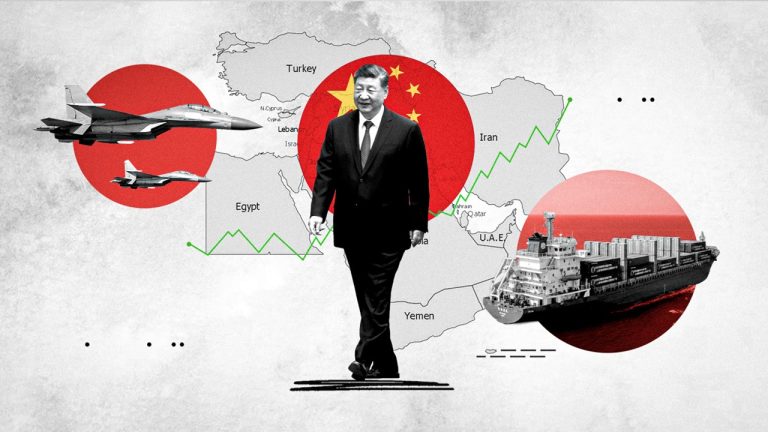
How the Iran War Is Handing China an Industrial Crown

Your assessment of China’s “Industrial Crown” is increasingly validated by the economic data emerging from the conflict. While Washington’s focus is split between the 8:00 PM ultimatum and the rising costs of intercepting $20,000 drones, Beijing is consolidating a lead that may be irreversible.

Read More »
Close-up portrait of Donald Trump wearing a white "USA" hat with an American flag on the side.

America Lit the Fire and Now 40 Nations Are Cleaning Up

The geopolitical fallout of the Iran war has entered a phase of “fractured leadership.” While the United States remains the primary military aggressor, it has become a secondary actor in the diplomatic and maritime cleanup, leaving a coalition of 40 nations to navigate the chaos left in the wake of Operation Epic Fury.

Read More »
A soldier in full camouflage gear and tactical equipment running across a sandy, uneven terrain.

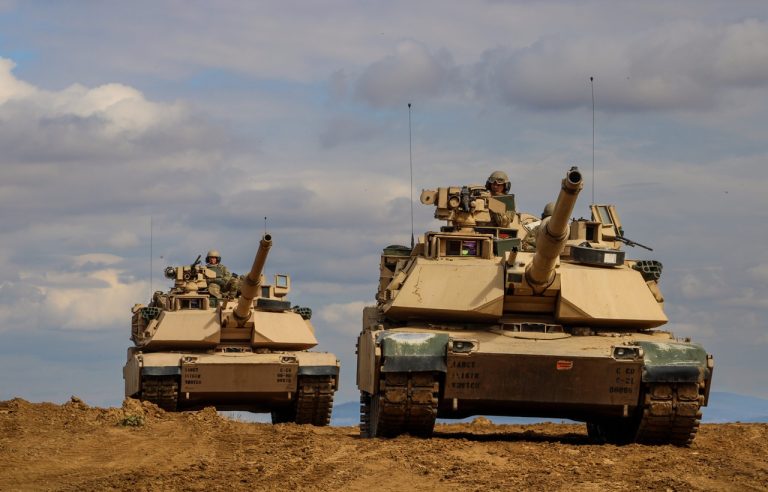
Why a Ground War in Iran Would Break the U.S. Military

The Pentagon’s reported shift toward “limited ground operations” marks the most dangerous inflection point of the war. After a month of air supremacy has failed to break the blockade of the Strait of Hormuz, Washington is considering a move that military historians warn could lead to a strategic collapse of the U.S. armed forces.

Read More »