Category: War, Defense & Security

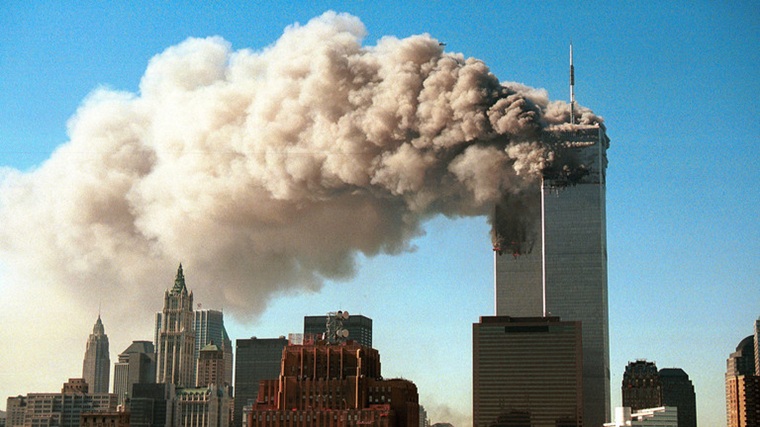
Strikes on Iran Expose Cracks in NPT Framework

The 2026 NPT Review Conference has become a battlefield over the legitimacy of military strikes on overseen nuclear facilities. With Iran highlighting the failure of Article IV protections and the lack of negative security assurances, delegates warn that the non-proliferation regime faces a credibility crisis that could lead to irreversible withdrawals if foundational compromises aren’t restored.

Read More »

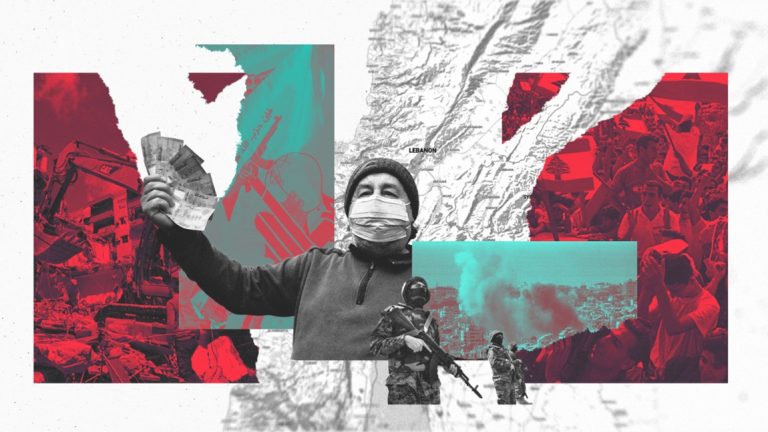
Oil Inventories Near Critical June Threshold

The world faces an unprecedented energy crisis as usable oil inventories plummet toward an eight-year low. With 14 million barrels of Middle East production offline, massive supply draws are forcing factory shutdowns and fuel rationing across Asia, testing global economic resilience and pushing Brent crude toward a dangerous June breaking point.

Read More »

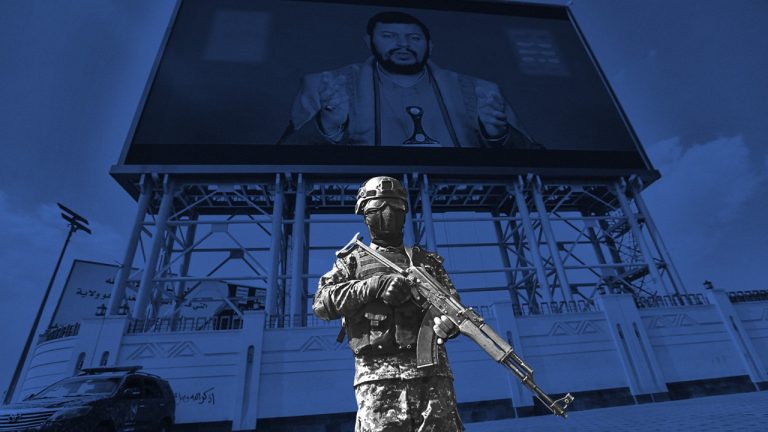
Iran’s Hormuz Leverage Erodes US Gulf Influence

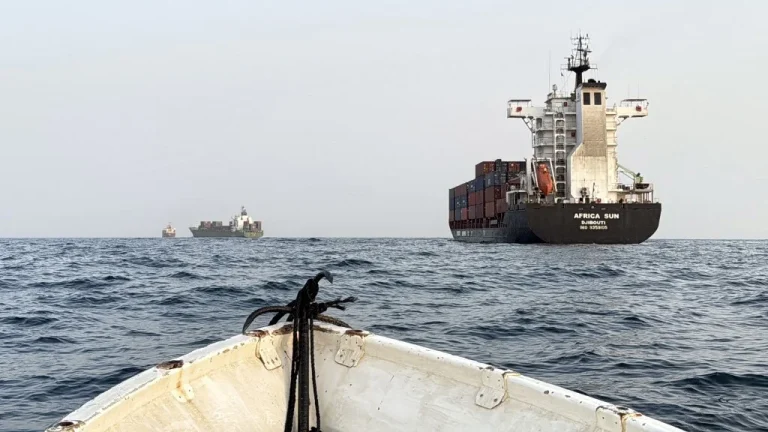
Tehran has transformed the Strait of Hormuz into its most potent bargaining chip, leveraging control over 20% of global oil to demand a new regional order. As Supreme Leader Mojtaba Khamenei rejects outside influence, the shift is fracturing traditional Gulf alliances and forcing major powers to recalibrate their energy security strategies.

Read More »

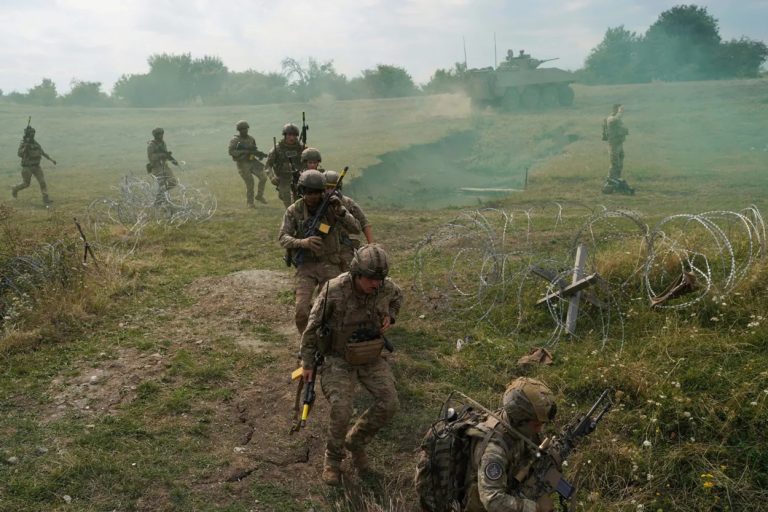
Closing America’s Gray Zone Confidence Gap

Strategic competition today is defined by influence operations and narrative battles, yet American decision-making remains plagued by institutional overconfidence. Lessons from Afghanistan highlight a failure to track analytical accuracy, suggesting that the U.S. must invest in “decision infrastructure” and forecasting systems to turn intelligence into a durable advantage.

Read More »

Iran War Exposes US Policy Contradiction

The Iran war has pushed U.S. policy into contradiction, exposing clashing goals on Iran’s regime and nuclear limits while driving costs higher and yielding few gains—fueling domestic frustration as the conflict drags on.

Read More »
The national flags of China and Iran flying together on a lamp post in front of a traditional Chinese building.

China Accelerates Self-Reliance Amid Iran Conflict

China is cushioning Middle East shocks through reserves, EV adoption, and supply‑chain controls while hedging diplomatically. The Iran conflict is accelerating Beijing’s push for self‑reliance and diversified energy ties without deeper military entanglement.

Read More »
Chinese military officers in green uniforms walking in front of the Great Hall of the People in Beijing.

Beijing’s Patient Strategy on Taiwan

Beijing pursues unification through patience, leveraging power trends, Taiwan’s divisions, and gray‑zone pressure while avoiding a costly war. Its long game aims to make political convergence seem inevitable without triggering catastrophic conflict.

Read More »
The United States Capitol building dome viewed from a tree-lined street with colorful autumn foliage and parked cars.

Why Congress Is Essential to US Grand Strategy

In 2026, the reliance on executive orders over congressional consensus has hollowed out American statecraft. From trade wars to undeclared military engagements, the absence of legislative deliberation undermines strategic continuity, leaving allies uncertain and adversaries ready to exploit the structural gaps in U.S. foreign policy.

Read More »
A conceptual collage featuring Iranian and Chinese currency, portraits of leaders, and architectural landmarks.

Pakistan Iran Corridor Reveals US Strategic Weaknesses

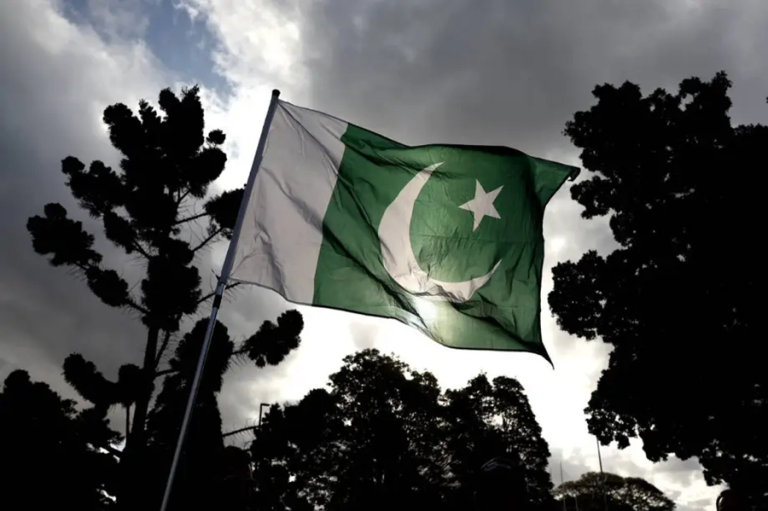
The activation of six dedicated land corridors between Pakistan and Iran marks a strategic shift in regional logistics. By rerouting cargo from Karachi and Gwadar directly to the Iranian border, Islamabad is providing a critical workaround to the Strait of Hormuz closure, potentially reviving stalled energy projects and deepening Belt and Road connectivity.

Read More »