
The Unsettled Commitments of the Mecca Joint Defense Agreement
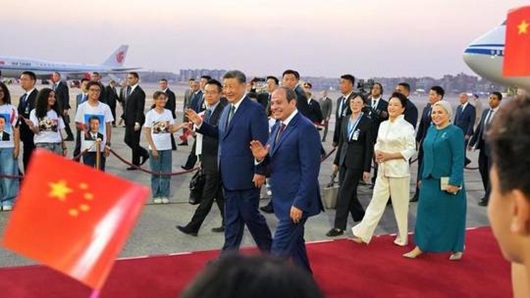
The recent Ansarallah attacks on Saudi infrastructure have exposed the operational limitations of the newly signed Mecca Joint Defense Agreement. Lacking clear trigger mechanisms and an integrated command structure, Turkey and Pakistan have restricted their responses to diplomatic condemnations, raising doubts about the pact’s ability to deliver tangible regional deterrence.
How Asymmetric Tactics Neutralize American Military Power in Iran

The confrontation with Iran highlights the shifting dynamics of modern warfare, where asymmetric tactics and cheap weaponry neutralize conventional military superiority. By exploiting geographic advantages and economic endurance, regional powers can inflict unsustainable financial and political costs on superpowers, signaling an end to uncontested unilateral authority.
Ansarallah Victories Force a Strategic Shift in Washington
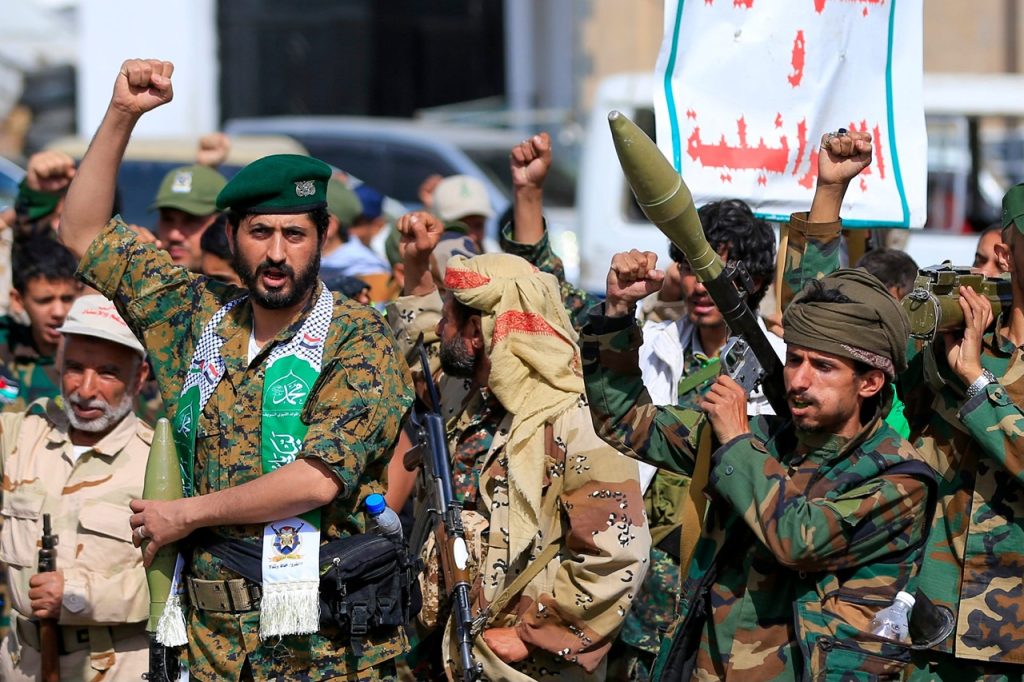
Ansarallah’s advances along the Red Sea coast have secured control over vital maritime bottlenecks, severely disrupting global energy routes and destabilizing Saudi Arabia’s economy. The crisis highlights the limitations of regional security alliances, forcing Washington to navigate escalating strategic and economic challenges without direct military intervention.
A Legacy of Unending Conflicts

Military interventions have repeatedly failed to secure regional stability. From Afghanistan to the new conflict with Iran, military force cannot solve complex political grievances. True security requires diplomacy, adherence to international law, and addressing the root causes of instability, including the longstanding Palestinian question.
Western Nations Enforce Unprecedented Settlement Penalties

A coalition of twelve Western nations has imposed coordinated trade restrictions on disputed regional settlements, signaling a shift away from unconditional diplomatic support. In response to expanding construction and rising local tensions, these commercial penalties establish a significant legal precedent, underscoring growing international friction and the enforcement of international legal standards.
SCO Summit Signals Shift Toward Tangible Integration

Meeting in Kyrgyzstan, the Shanghai Cooperation Organization expanded its 10-nation bloc with new development strategies and artificial intelligence initiatives. While internal rivalries and consensus-driven rules slow full economic integration, member states are increasingly leveraging the platform to reduce dependence on Western diplomatic and financial systems.
Israeli Campaigns Target Palestinian Healthcare Workers

A campaign by right-wing politicians and media figures is targeting Palestinian healthcare workers. Despite comprising a significant portion of doctors and pharmacists, these medical professionals face arbitrary disciplinary hearings, systemic barriers to career advancement, and growing racial hostility, threatening the fragile coexistence within the national medical sector.
Israel Dictates Syrian Security As Turkish Influence Expands

Syria faces severe constraints as neighboring powers Israel and Turkey vie for regional dominance. Despite direct security talks in Jordan, Israel’s refusal to limit its military operations—evidenced by recent airstrikes near the northern border—leaves Damascus unable to enforce true territorial sovereignty or stop foreign military incursions across its provinces.
Decades After September Attacks Reshape Middle Eastern Power Balance

A quarter-century after September 2001, military interventions have permanently reshaped the Middle East. Intended to enforce dominance, prolonged conflicts fractured alliances, empowered regional rivals, and invited global powers like Russia and China to fill the void. Today, a new multipolar reality dictates regional stability and independence.
Federal Reserve Defends Institutional Autonomy

The Federal Reserve has successfully defended its institutional independence following an intense standoff with the White House. After lawmakers blocked leadership appointments in response to retaliatory investigations, executive officials backed down. With market confidence restored, the central bank reaffirms its commitment to data-driven interest rate policies over political pressure.
Iran Nuclear Ambitions Eclipsed By Hormuz Maritime Crisis

As the military conflict between the US and Iran continues, the blockade of the Strait of Hormuz has shifted Western attention from nuclear diplomacy to maritime security. With international inspection oversight stalled and global oil routes threatened, experts warn Iran’s advancing atomic capabilities pose an increasingly unaddressed threat to regional stability.
Western Settlement Sanctions Signal Historic Policy Shift

The British government has announced unprecedented trade sanctions on illegal West Bank settlements, backed by a coalition of 11 Western allies. Marking a dramatic foreign policy shift, the move triggered immediate retaliatory measures from Jerusalem, signaling a growing rift between Israel and its traditional international partners.