
Washington Faces Global Backlash Six Months Into the Tehran War
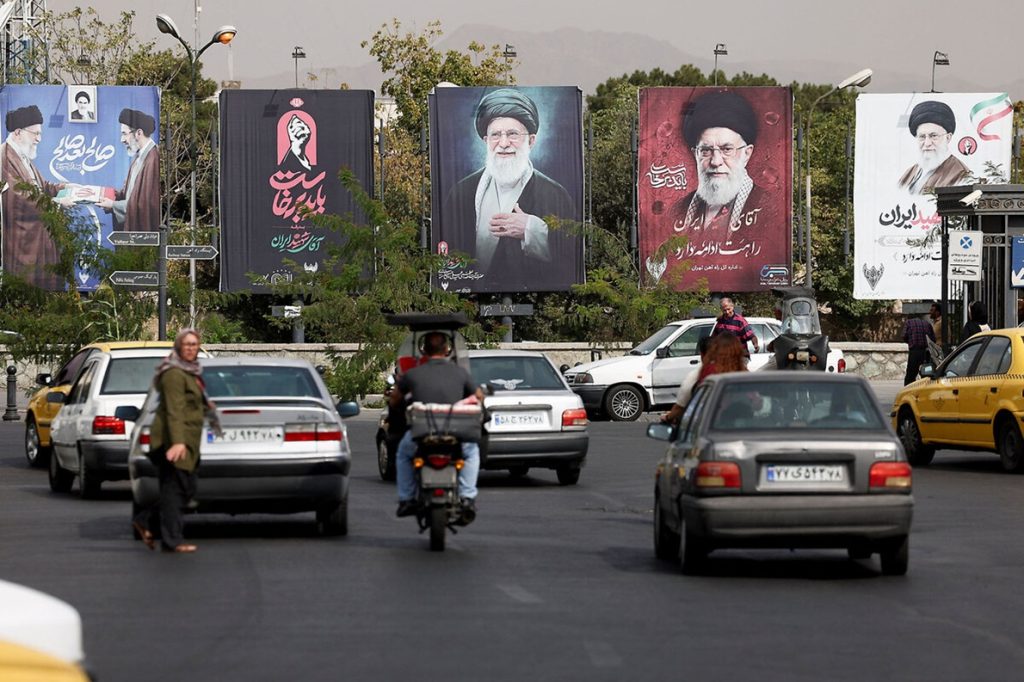
Six months after launching an offensive against Tehran, Washington faces growing international backlash as a protracted war disrupts global trade and strains alliances. Diverted defense assets leave European and Pacific partners vulnerable, while strategic distraction allows Beijing to expand its regional influence, signaling a fundamental shift in the global balance of power.
US and Canada Tariff Clash Threatens Global Commerce
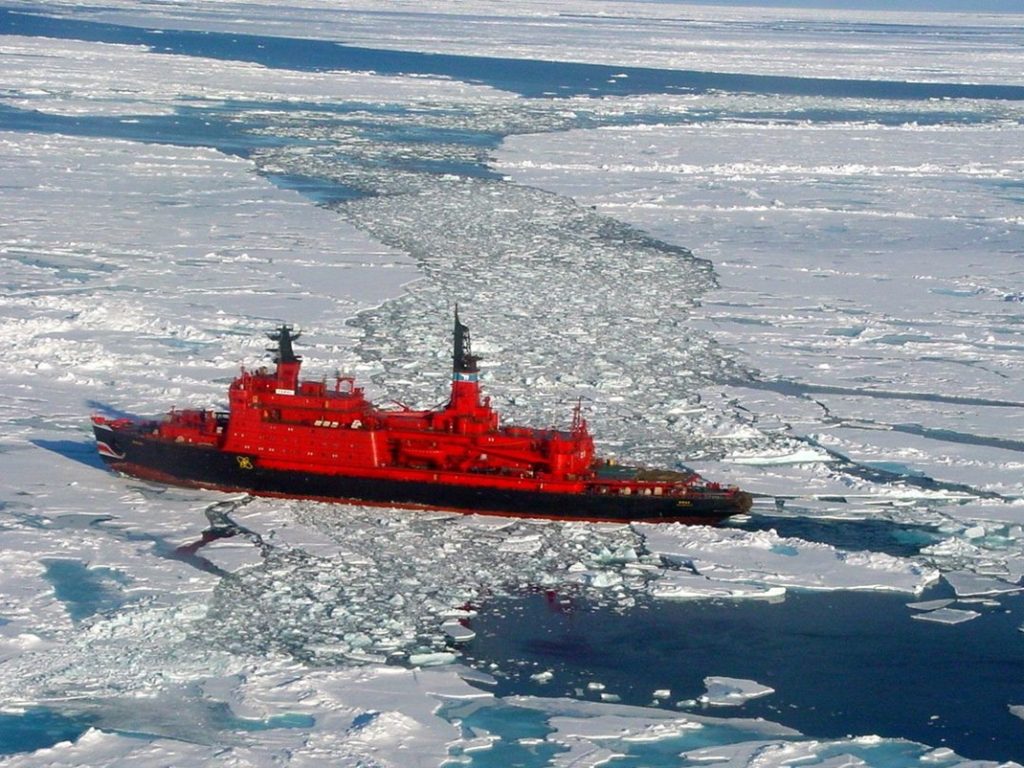
A breakdown in US-Canada trade talks marks a dramatic shift in North American economic relations. Resisting unilateral 50% American tariffs on autos and metals, Ottawa has enacted matching levies on major US goods. This standoff risks dismantling decades of regional economic integration and forces a global rethink of supply chains.
Turkey Expands Legal Campaign Against Israeli Leadership
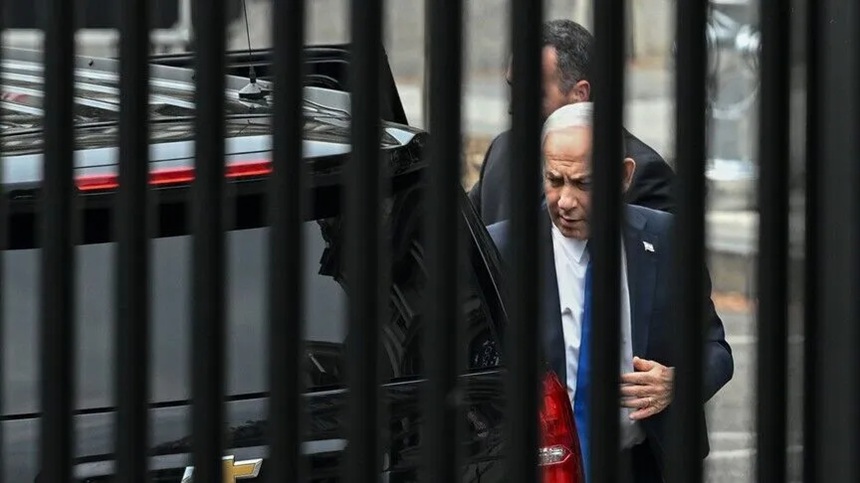
Turkey has formally requested Interpol Red Notices for Israeli Prime Minister Benjamin Netanyahu and other officials over the interception of a humanitarian flotilla. The move intensifies global legal pressure and diplomatic isolation surrounding Israeli leadership, testing Interpol’s neutrality while severely constraining high-level diplomatic travel.
The Paradox of Militarized Climate Strategies
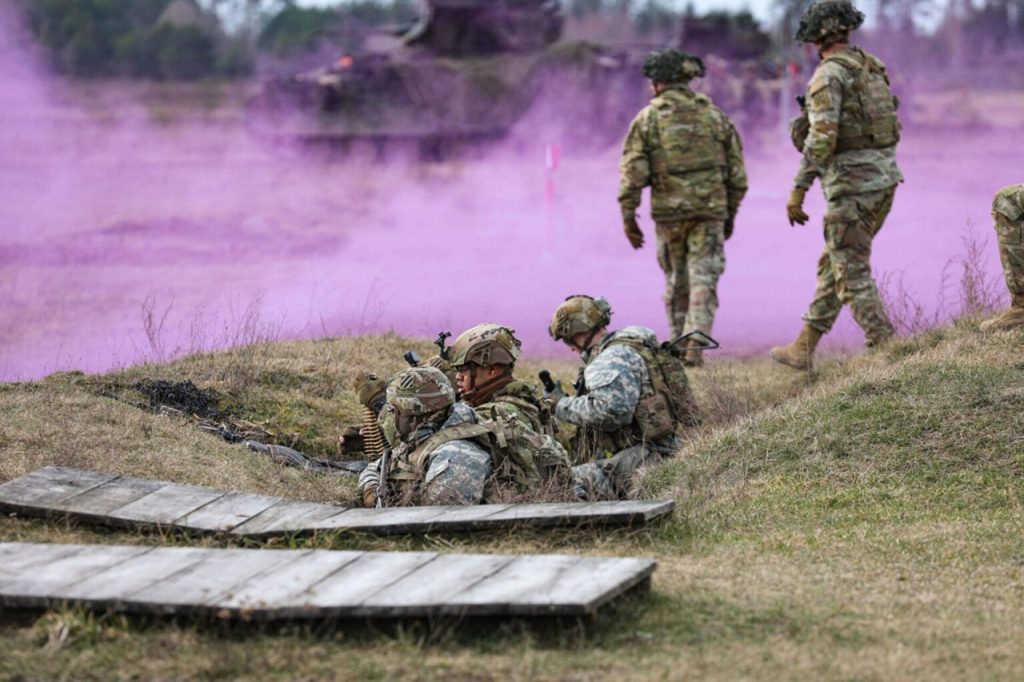
Global defense ministries increasingly frame climate change as a primary national security threat, rapidly expanding military budgets to prepare for environmental collapse. However, this strategy overlooks a fundamental paradox: armed forces generate roughly five percent of global greenhouse emissions. Expanding military capabilities to manage ecological instability ultimately fuels the exact crisis it seeks to survive.
The Ideological Psychology Driving Extreme State Policies

Global political discourse shows an alarming trend: governments adopting extreme, destructive policies while claiming absolute moral righteousness. By weaponizing historical trauma to justify aggression, leaders dismantle democratic norms, attack independent oversight, and dismiss international law, creating severe humanitarian consequences and threatening regional stability.
Central Asia’s Vital Transit Link: The Indispensable Iranian Corridor
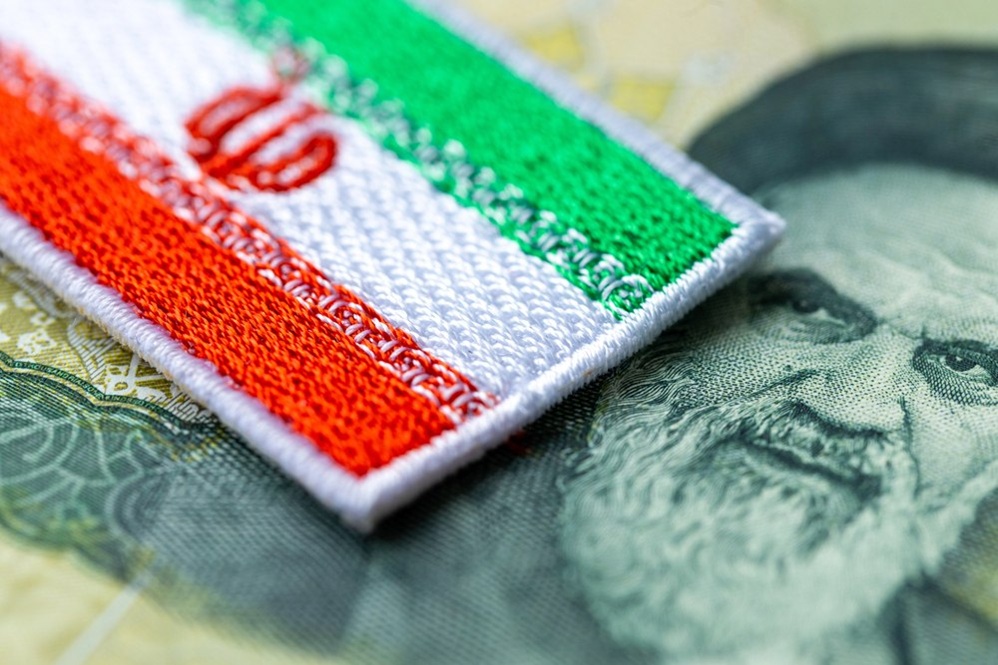
Central Asia’s landlocked nations rely heavily on the Iranian transit corridor for maritime trade access. Despite mounting geopolitical pressures, rising military risks, and aggressive American sanctions, fully abandoning this continuous southern rail-to-port route remains economically unviable for regional stability and global market integration.
Reevaluating the American Military Footprint in the Gulf
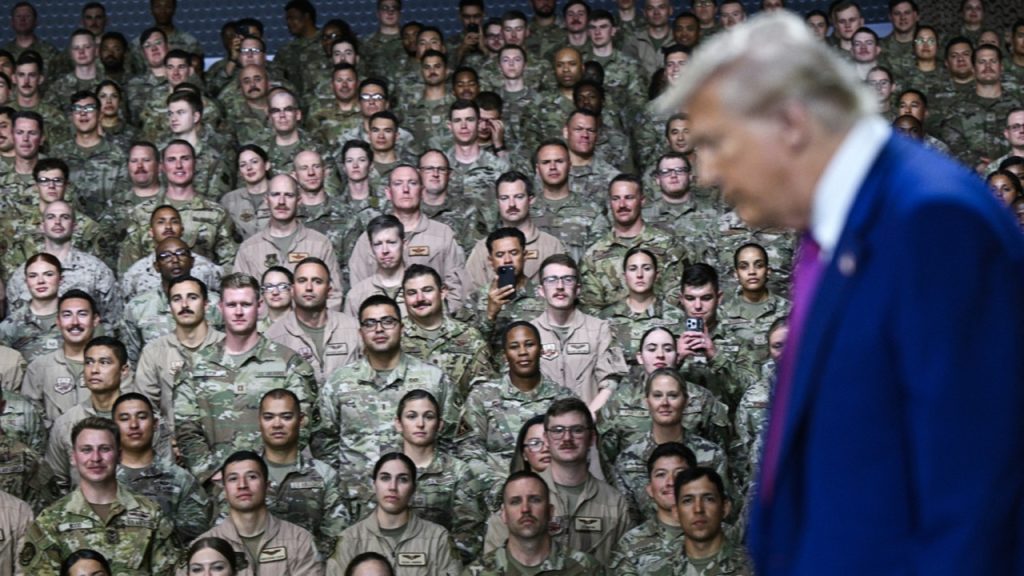
For decades, massive US military bases guaranteed Persian Gulf security. However, recent confrontations with Tehran have exposed severe vulnerabilities at major installations. With local infrastructure damaged, Washington is considering dispersing its forces, prompting Gulf nations to pursue new regional defense partnerships and military self-sufficiency.