Tag: North Korea

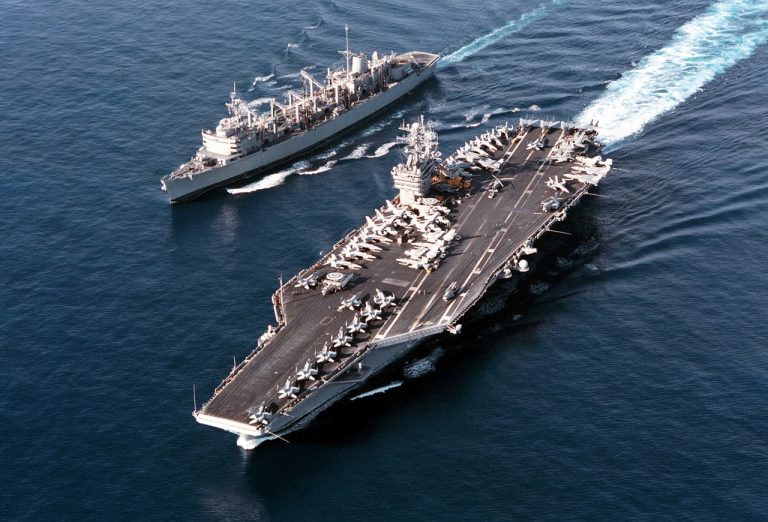
Aerial view of a US Navy aircraft carrier sailing alongside a supply replenishment ship in open ocean.

The Strategic Cost of Diverting Pacific Forces to the Middle East

As the US military redirects naval assets and personnel from the Indo-Pacific to the Middle East, strategic vacuums are opening across Asia. Leaving the Pacific without active aircraft carrier strike groups alarms regional allies and signals operational constraints that adversaries like China and North Korea are keen to exploit.

Read More »
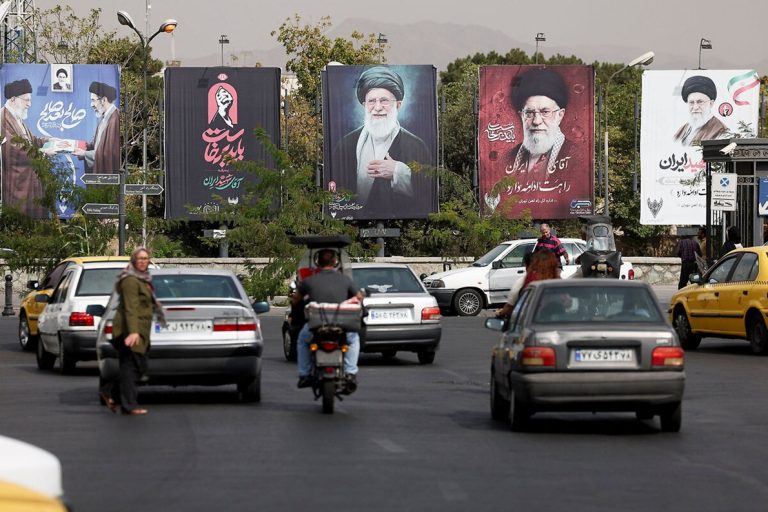
Street traffic in Tehran with large political billboards displaying Ayatollah Ali Khamenei

Washington Faces Global Backlash Six Months Into the Tehran War

Six months after launching an offensive against Tehran, Washington faces growing international backlash as a protracted war disrupts global trade and strains alliances. Diverted defense assets leave European and Pacific partners vulnerable, while strategic distraction allows Beijing to expand its regional influence, signaling a fundamental shift in the global balance of power.

Read More »
Activists holding protest signs and a banner reading "Stop War Exercise" in front of government buildings.

US South Korea Alliance Faces a New Strategic Test

The annual Ulchi Freedom Shield exercise has highlighted deep strategic tensions within the US-South Korea alliance. While Seoul seeks greater defense autonomy, deterrence against Pyongyang, and political space for dialogue, Washington increasingly views the partnership through a broader Indo-Pacific lens. President Trump’s order to cut joint exercises further complicates matters, exposing a growing debate over military readiness, costs, and the ultimate purpose of the alliance.

Read More »
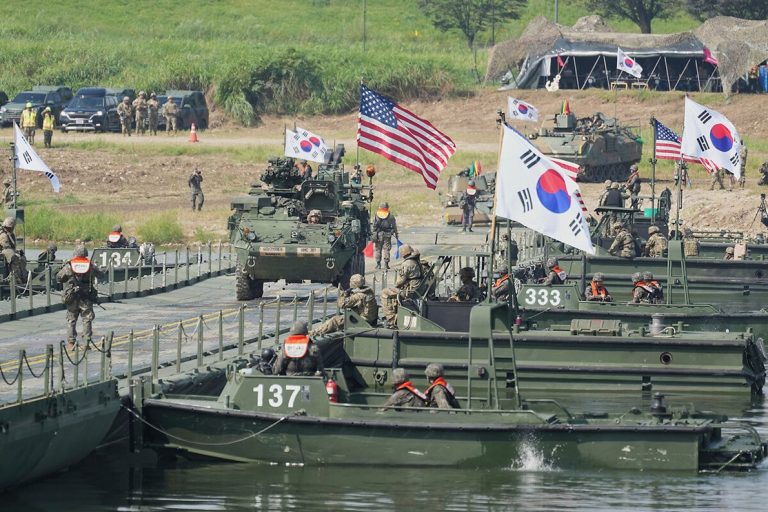
Joint military vehicles and amphibious assault boats participating in allied defense exercises.

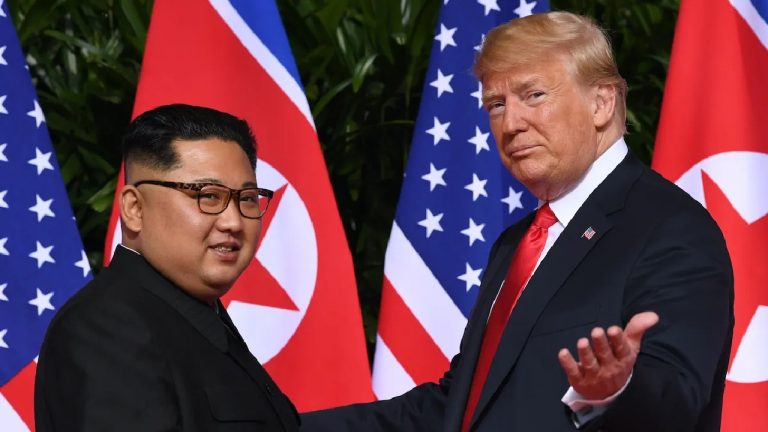
Trump Cuts South Korea Drills to Reopen Kim Diplomacy

President Trump has ordered a substantial reduction in US participation in military exercises with South Korea, using the cuts as diplomatic leverage to reopen negotiations with North Korean leader Kim Jong Un. While the move aims to spark renewed talks, it bypassed a coordinated alliance process and left Seoul navigating a transactional shift in Washington’s defense commitments.

Read More »
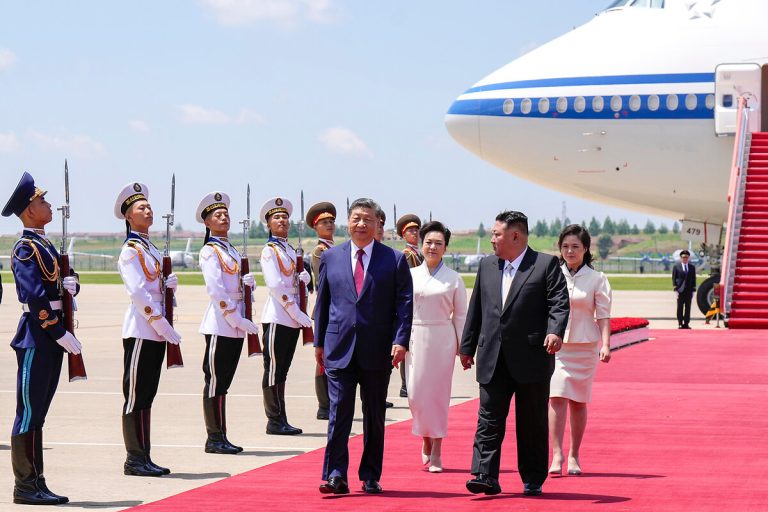
Xi Jinping and Kim Jong Un walking on a red carpet at an airfield with an honor guard and a large airplane in the background.

What Xi and Kim Really Want From Each Other

This analysis explores the strategic motivations behind Xi Jinping’s recent state visit to North Korea, examining the complex triangular relationship between Beijing, Pyongyang, and Moscow. As North Korea deepens its military ties with Russia, we discuss how China is navigating the erosion of its traditional diplomatic framework, the pursuit of regional stability, and the ongoing challenge of maintaining economic and political influence over a regime now emboldened by its own nuclear status.

Read More »
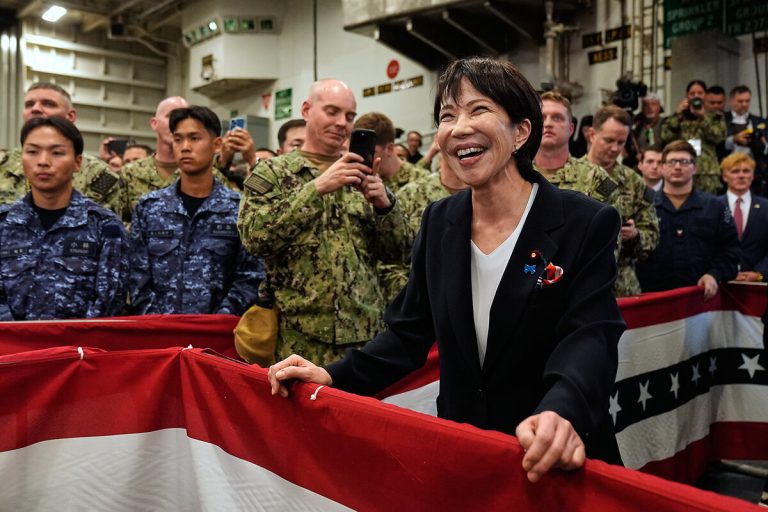
A high-ranking Japanese official smiling and engaging with military personnel on a naval vessel decorated with flags.

Japan PM Advances Military Reform Amid Regional Threats

Prime Minister Sanae Takaichi is leading Japan through its most significant military transformation since World War II. Facing a nuclear North Korea and an assertive China, the Takaichi administration is pushing to revise Article 9 of the constitution to formally recognize the Self-Defense Forces. Combined with the recent landmark decision to ease military hardware exports, Japan is signaling its transition from a “shield” for U.S. interests to a proactive regional security provider.

Read More »
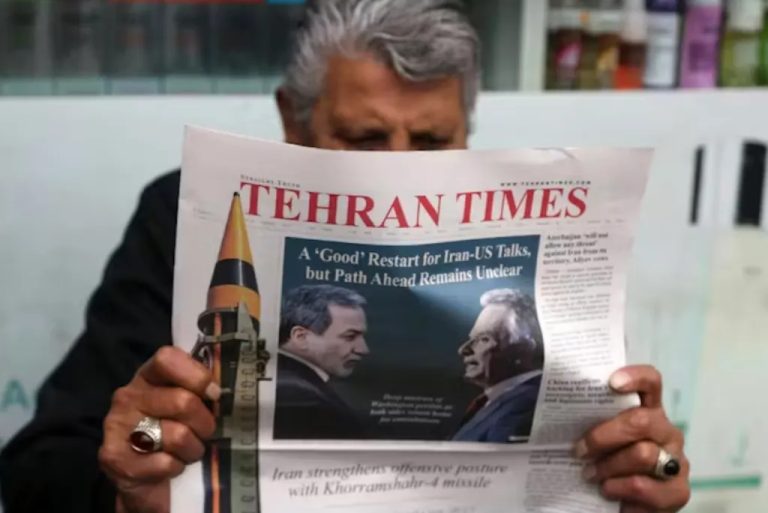
A person holding a Tehran Times newspaper featuring a headline about Iran-US talks and an image of a missile.

Bombing the Negotiating Table: How Washington Killed Its Own Diplomacy

The initiation of Operation Epic Fury on February 28, 2026, did more than just dismantle military targets—it effectively dismantled the very concept of U.S.-led nuclear diplomacy. By striking while a major breakthrough was being announced by Omani mediators, Washington has signaled that even total compliance may not be enough to avert a military “solution.”

Read More »
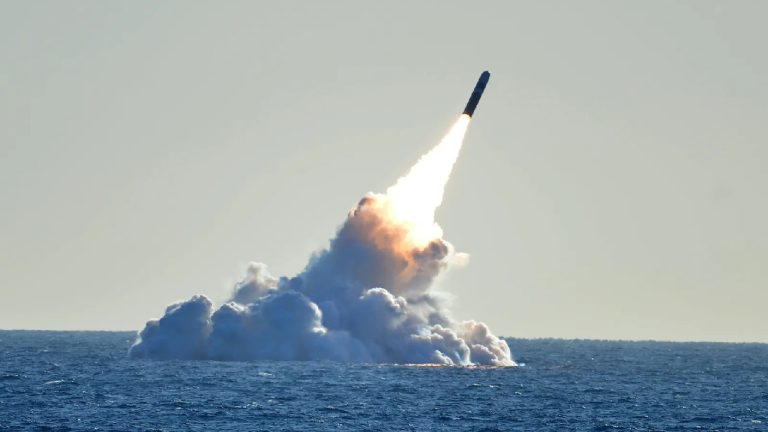
A dark missile launching vertically from the blue ocean with a large plume of white smoke and a bright fire trail at its base.

Allied Missile Defense Could Reshape East Asia’s SLBM Threat

This analysis examines how a trilateral, sea-based missile defense architecture between the U.S., Japan, and South Korea could neutralize the evolving North Korean Submarine-Launched Ballistic Missile (SLBM) threat. By moving away from the “sole defender” model depicted in the 2025 thriller A House of Dynamite, the alliance can leverage forward-deployed Aegis assets to create a layered, multi-azimuth defense that buys critical decision-making time.

Read More »