Doha is quietly rewriting its defense calculus after a turbulent year exposed the limits of American protection in the Persian Gulf. On November 13, Qatar and Turkey signed a mutual defense pact in Istanbul pledging a unified stance against external armed attacks. Although Qatari territory still hosts the largest American military installation in the Middle East, recent strikes on energy infrastructure convinced Gulf leaders that reliance on a single foreign guarantor carries severe economic risks.
Washington’s formal pledge to defend Qatar rests on shaky legal foundations rather than a Senate ratified treaty. In September 2025, President Donald Trump issued Executive Order 14353 promising diplomatic, economic, and military measures if Qatar faced external aggression. Policy analysts quickly observed that a future White House could revoke an executive order overnight, leaving Doha dependent on shifting political calculations in Washington.
War Tests Energy and Maritime Lifelines
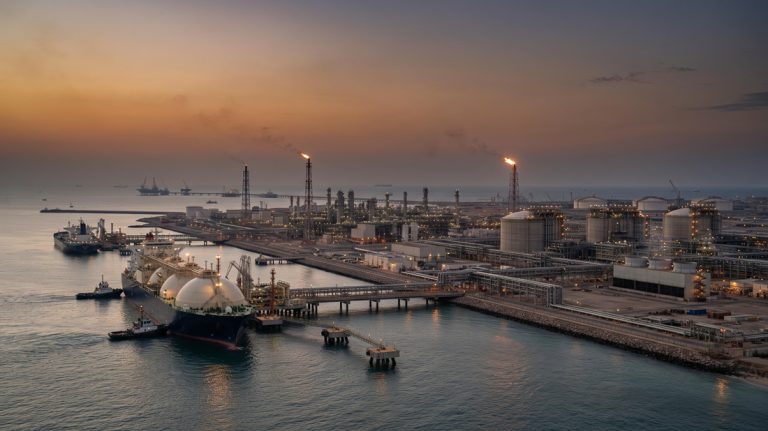
Those structural weaknesses became painfully clear when regional war erupted in February 2026. Following Israeli strikes on Iranian gas facilities in March, Iranian missiles damaged two liquefaction trains at Qatar’s Ras Laffan export hub, slashing capacity by roughly seventeen percent. Subsequent attacks on commercial tankers in the Strait of Hormuz disrupted global energy shipments and underscored that American deterrence could not prevent devastating initial strikes on critical Gulf infrastructure.
Unlike Saudi Arabia and the United Arab Emirates, which can reroute portions of their crude exports through overland pipelines, Qatar depends entirely on the Strait of Hormuz for liquefied natural gas shipments. Turkish officials have floated reviving an overland gas pipeline through Saudi Arabia, Jordan, and Syria, though political instability and financing hurdles keep that concept distant. Meanwhile, Iranian strikes on Al Udeid Air Base demonstrated that American forces themselves share the same geographic vulnerability.
Ankara Expands Gulf Defense Footprint
For Turkey, the Istanbul accord deepens an already substantial military presence that began with troop deployments in 2015. The agreement arrives alongside Ankara’s October Badr Memorandum with Qatar, Pakistan, and Indonesia on joint defense production and a separate August mutual defense pact with Riyadh and Islamabad. Together, these overlapping arrangements reflect a growing Gulf preference for diversified security networks over exclusive dependence on Washington.
Yet diversification carries clear limits for both Doha and Ankara. Turkish military consultations and defense industry cooperation cannot clear naval mines or guarantee safe tanker passage through Hormuz. At the same time, deeper Turkish commitments in the Gulf could entangle a NATO member in future Middle Eastern escalations that European allies have no desire to join.
Original analysis inspired by John Calabrese from Middle East Institute. Additional research and verification conducted through multiple sources.