Global security architectures maintain a glaring vulnerability regarding environmental accountability. Defense ministries worldwide systematically exclude their operational emissions from international climate agreements. This deliberate omission obscures massive industrial footprints generated by armed forces and their supporting supply chains. True global stability requires confronting the environmental cost of military readiness.
The framework for this opacity originated during late twentieth century climate negotiations. Defense officials successfully lobbied to exempt tactical operations and training exercises from mandatory reporting protocols. Planners argued that fuel restrictions would severely degrade combat effectiveness and threaten national survival. Consequently, the largest institutional consumers of petroleum products operate with minimal environmental oversight. This legacy policy established a dangerous precedent that other global powers eagerly adopted.
Industrial Scale Obfuscation
Modern armed forces rely upon vast logistics networks that consume staggering volumes of fossil fuels. The sheer scale of these operations rivals the total carbon output of fully industrialized nations. Advanced fighter jets, naval fleets, and armored divisions burn hydrocarbons at rates that fundamentally alter atmospheric conditions. High altitude aviation introduces particularly severe climate effects through water vapor condensation trails. These secondary warming mechanisms remain entirely excluded from official government inventories.
The privatization of defense logistics further obscures the true environmental impact of military activities. Private security contractors execute core functions ranging from base maintenance to forward deployment support. These corporate entities rarely publish detailed sustainability metrics regarding their operational footprints. Major weapons manufacturers also operate sprawling production facilities that consume massive quantities of energy. The complex supply chains supporting modern arsenals generate hidden emissions that rival those of active combat zones.
The Ecological Cost of Conflict
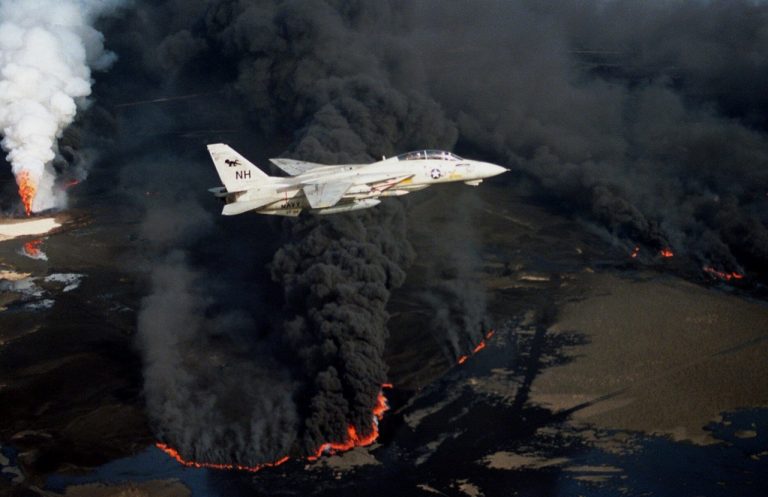
Active hostilities initiate devastating environmental consequences that persist long after diplomatic resolutions. Opposing forces frequently target critical energy infrastructure to cripple enemy economies. Sabotaged pipelines and burning oil refineries release immense plumes of potent greenhouse gases directly into the atmosphere. The resulting ecological damage often destroys natural carbon sinks like mature forests and vital wetlands. These intentional acts of environmental degradation accelerate global warming metrics far beyond peacetime projections.
Post conflict reconstruction demands extraordinary material resources that further compound these ecological deficits. Rebuilding shattered urban centers requires millions of tons of steel and cement. The manufacturing processes for these foundational building materials remain highly carbon intensive. International aid programs rarely prioritize green construction methods when responding to severe humanitarian crises. Consequently, the aftermath of war guarantees decades of elevated industrial emissions.
Reassessing National Survival
Defense establishments must reconsider their fundamental definitions of security and strategic survival. Projecting power through carbon intensive military dominance inadvertently destabilizes the shared global biosphere. Escalating climate crises will ultimately force armed forces to deploy into increasingly hostile and resource starved environments. True strategic foresight demands accurate accounting of all defense related emissions. Ignoring these metrics guarantees a future where military supremacy cannot prevent ecological collapse.
Original analysis inspired by Neta C. Crawford from The Bulletin of the Atomic Scientists. Additional research and verification conducted through multiple sources.