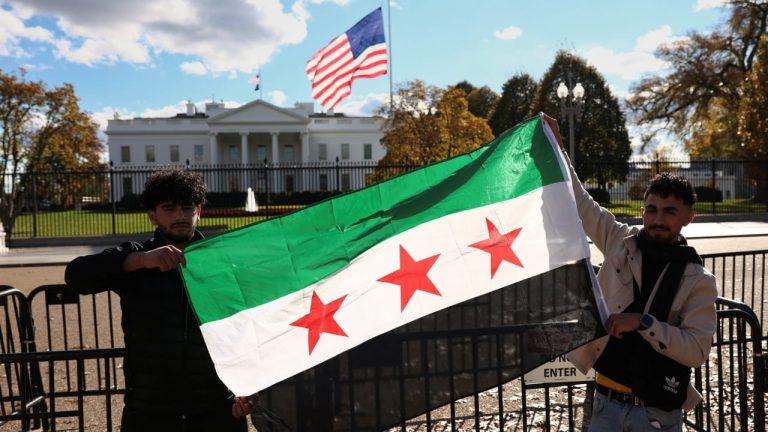
The historic improvement in relations between Damascus and Washington has created rare opportunities for Syria after years of isolation and destruction. President Ahmad al-Sharaa’s White House visit with Donald Trump, the first by any Syrian leader since independence, came alongside major sanctions relief and expressions of bipartisan support on Capitol Hill. Syrian Americans turned out in celebration, viewing the shift as a potential lifeline for a country where reconstruction needs run into hundreds of billions of dollars. Shared goals around containing Iranian sway and residual ISIS threats helped drive the change. Yet this opening remains dangerously dependent on a small circle of individuals rather than durable structures.
Gulf backing played a quiet but decisive part in building trust. Leaders in Riyadh and Doha, notably Saudi Crown Prince Mohammed bin Salman, helped facilitate early contacts and pledged investments in energy and infrastructure. These connections aligned with the Trump administration’s pragmatic approach to regional realignment. At the same time, they introduce complications. Many Democratic voices have grown skeptical of close Gulf partnerships, seeing them through the lens of arms deals, financial influence, and regional power plays.
With President Trump term-limited and key allies like Special Envoy Tom Barrack and Senator Jeanne Shaheen soon leaving their current roles, the personal foundations of today’s goodwill look increasingly shaky. Lawmakers who offered early praise face their own political or personal pressures. A new administration arriving in 2029 could quickly distance itself from channels built through Gulf intermediaries. Democrats in particular often weigh diplomatic openings against progress on inclusive governance and minority rights. While the current Syrian leadership has improved basic services and avoided wholesale reprisals, independent analysts note uneven advances in formal power-sharing and protections for Kurds, Druze, Christians, and Alawites.
The Syrian-American diaspora, effective in past campaigns against the old regime, has struggled to adapt. Competing organizations and a tendency to simply echo Damascus have weakened its credibility as an independent voice in Washington. This vacuum invites other players, including groups sympathetic to Tehran or the former government, to fill the gap with their own narratives. Syria’s choice of an inexperienced diplomat for its top Washington post adds to the concern. Building influence in a city that runs on long-term relationships and institutional knowledge cannot be rushed or left to on-the-job learning.
Damascus still has time to broaden its base. Engaging a wider range of lawmakers around practical cooperation on counterterrorism and border security could create ballast against political swings. Attracting American companies to genuine reconstruction projects would establish a commercial lobby whose interests transcend administrations. Elevating technocrats over pure loyalists in key economic and administrative posts would signal seriousness about delivery. Experienced diplomats with established cross-party networks should take the lead in day-to-day engagement rather than officials chosen mainly for personal fidelity.
Visible steps toward greater political participation and consistent minority protections would also help. Transitions elsewhere have shown that credible governance reforms tend to widen international support and reduce skepticism. For Syria, the next two years represent a narrow but critical period. Used wisely, they could convert today’s personal openings into institutional ties capable of surviving leadership changes in Washington. Failure to do so risks letting this moment of alignment fade, delaying recovery at home and leaving the broader Levant more vulnerable to extremism and external meddling.
Original analysis inspired by Ameer Alsamman from The National Interest. Additional research and verification conducted through multiple sources.