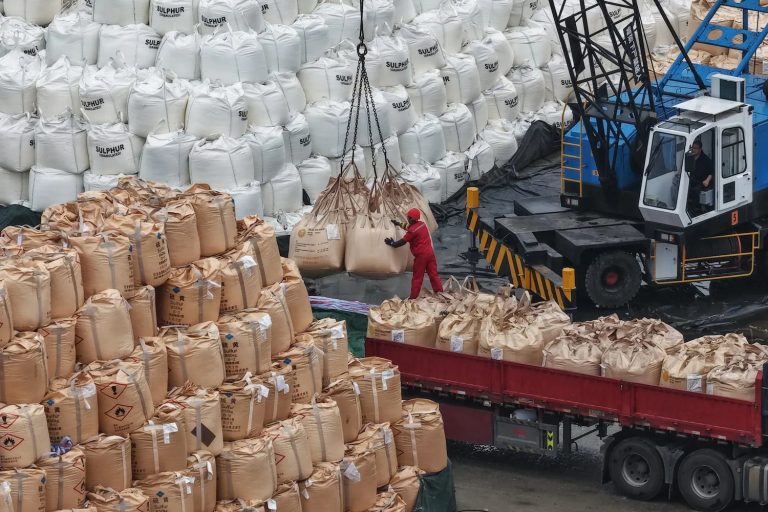
The Iran conflict has exposed hidden vulnerabilities in global commodity chains far beyond oil and gas. Sulfur, an often-overlooked byproduct of fossil fuel production, now faces severe disruptions as fighting and maritime blockades throttle Middle Eastern exports. This essential material underpins sulfuric acid, dubbed the king of chemicals, which is critical for fertilizers, mining, and pharmaceuticals. As prices surge and export restrictions spread, the ripple effects threaten food security and industrial output worldwide.
The Middle East dominates sulfur trade, supplying roughly half of global exports. Major buyers include China, India, Indonesia, and the United States. Before the war escalated in late February, the market was already tight due to the Russia-Ukraine conflict and rising demand from fertilizer and nickel sectors. The Strait of Hormuz disruptions have now pushed the system into uncharted territory. Energy production slowdowns directly cut sulfur output, while shipping risks have scrambled logistics for this vital commodity.
Market Tightens Under Pressure
Sulfur prices have climbed sharply since the conflict intensified, reflecting the deep integration between energy and chemical supply chains. Turkey imposed an export ban last week, and India is considering similar restrictions to protect domestic needs. China, the largest importer and a major producer of sulfuric acid from copper and zinc smelting, plans to halt exports of that acid starting in May. These moves aim to shield local economies but further squeeze global availability.
Analysts warn that alternative supplies cannot easily replace Middle Eastern volumes. Even combining output from other regions would fall short of covering the gap. The situation is particularly acute for developing markets reliant on imported sulfur for agriculture and resource extraction. Indonesia’s booming nickel industry, a key user of sulfuric acid, may face production cuts if shipments remain unreliable. Similar pressures are building in Chile’s copper sector and across African mining operations.
Agriculture and Industry Face Risks
Sulfuric acid is indispensable for processing phosphate fertilizers, meaning higher costs and shortages could push food prices even higher amid existing global pressures. The Middle East is a major fertilizer hub, and weeks of conflict have already driven up costs for farmers worldwide. Mining companies are also scrambling. Robert Friedland of Ivanhoe Mines noted that over 90 percent of sulfur imported into Africa comes from the region, warning that prolonged disruption could force copper oxide operations to close within weeks.
The pharmaceutical sector, which relies on sulfuric acid for various processes, faces secondary risks as supply chains tighten. While not as immediately visible as fertilizer shortages, these constraints could affect drug manufacturing and other industrial applications over time. No quick substitutes exist for sulfuric acid in most uses, leaving buyers with few options beyond paying premium prices or curtailing output.
Governments and companies are now racing to secure alternative sources and diversify supply routes. Some traders are turning to North American and Russian producers, but logistical challenges and existing commitments limit how quickly these can fill the void. The conflict has underscored the fragility of just-in-time global trade in industrial chemicals and the need for greater resilience in critical supply chains.
As the ceasefire holds tenuously, uncertainty lingers over how long disruptions will last. A prolonged sulfur crunch could compound economic strains from higher energy costs, affecting everything from crop yields to battery production for the green transition. For policymakers, the episode highlights the interconnectedness of energy security and industrial inputs in an era of geopolitical volatility.
The Iran war has turned an obscure commodity into a headline risk. Its effects on sulfur markets demonstrate how regional conflicts can cascade into global challenges, testing the adaptability of industries and governments alike. Diversifying production, investing in storage, and strengthening international coordination may prove essential to prevent future shocks in this foundational chemical chain.
Original analysis inspired by Christina Lu from Foreign Policy. Additional research and verification conducted through multiple sources.