The fragile ceasefire between the United States, Israel, and Iran has held for days, yet questions of who truly prevailed linger in capitals and commentary circles alike. American and Israeli officials point to destroyed missile sites, weakened nuclear facilities, and the elimination of several senior Iranian commanders as clear signs of success. Tehran counters that its governing system survived intact and its grip on a vital maritime chokepoint has only grown stronger. In the messy reality of modern conflict, neither side has secured the decisive political breakthrough it sought.
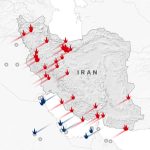
Military superiority allowed US and Israeli forces to inflict serious damage on Iranian infrastructure and leadership networks. Targeted strikes disrupted command structures and set back aspects of the nuclear program. Yet these tactical achievements have not produced the wider strategic shifts Washington and Jerusalem hoped for. No popular uprising materialized inside Iran. The regime did not collapse. And efforts to neutralize Iran’s regional proxy network have yielded mixed results at best.
Hormuz control alters the equation
Iran has turned its geographic position into meaningful leverage. By asserting greater influence over the Strait of Hormuz, Tehran forced global attention onto energy security and shipping costs. The narrow passage carries around one-fifth of the world’s oil supply, and even temporary disruptions sent prices higher and complicated negotiations. This ability to affect international markets gave Iranian diplomats a stronger hand during recent talks in Islamabad, where they pushed a 10-point agenda that included formal recognition of their role in the waterway.
Political goals that motivated the campaign remain largely unfulfilled. Regime change never materialized. Iran’s nuclear ambitions have been slowed but not dismantled. Missile capabilities took hits, yet the core deterrent posture persists. Meanwhile, the conflict’s human and legal costs have mounted. Reports of civilian deaths, including strikes on non-military sites, have drawn sharp criticism from international observers. Over 100 legal experts have warned that aspects of the operation may violate the UN Charter and international humanitarian standards.
Reputation costs accumulate
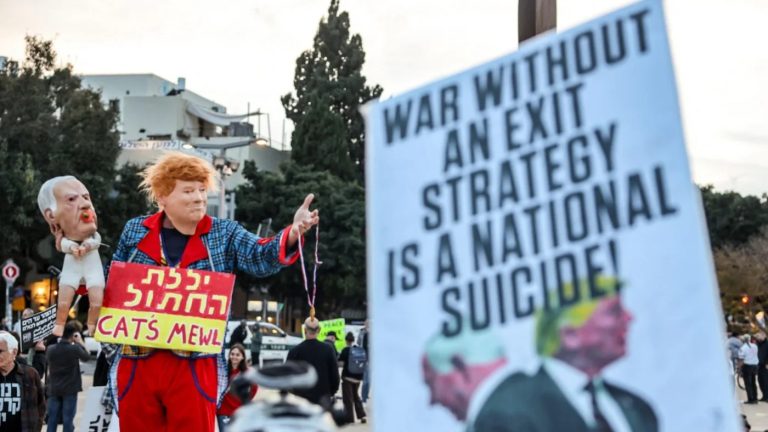
The campaign has also strained alliances and public support. Several traditional partners declined to join the effort, citing concerns over its legality and proportionality. In the United States and Israel, domestic debates have intensified, with protests highlighting the gap between stated objectives and outcomes. For Iran, attacks on Gulf energy facilities and civilian infrastructure have alienated some neighbors, potentially pushing them closer to the US-Israeli axis for protection. Both sides have thus paid a price in regional goodwill.
This pattern echoes earlier conflicts where battlefield gains failed to deliver lasting political victories. The asymmetry of the fight allowed the stronger powers to degrade capabilities, but Iran’s willingness to absorb damage and maintain ideological cohesion has limited the translation of those hits into broader success. The regime’s survival and continued influence through proxies suggest that the “hearts and minds” element of the contest tilts against the initiators.
As negotiators eye future rounds, the episode highlights the limits of military pressure alone in a complex regional landscape. Short-term tactical edges have not produced the strategic realignment sought. Instead, the conflict has reshaped bargaining dynamics around energy routes and exposed vulnerabilities in translating force into durable outcomes. For now, the region settles into an uneasy pause where endurance and international perception may matter as much as firepower.
Original analysis inspired by Feras Abu Helal from Middle East Eye. Additional research and verification conducted through multiple sources.