
Trump’s Taiwan Arms Freeze Is a Strategic Gift to Beijing
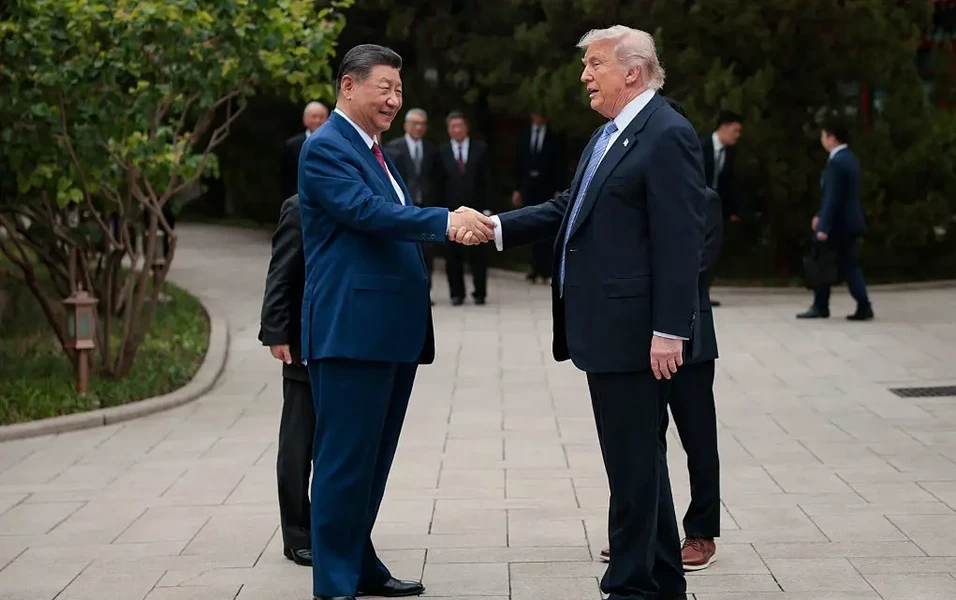
The Trump administration’s decision to pause a significant arms package to Taiwan marks a departure from four decades of bipartisan defense strategy. By conditioning military support on bilateral relations with Beijing, this move undermines the Six Assurances and raises critical questions about Washington’s long-term reliability among its Indo-Pacific treaty allies.
Trump’s Iran War Is Fracturing the Republican Party From Within
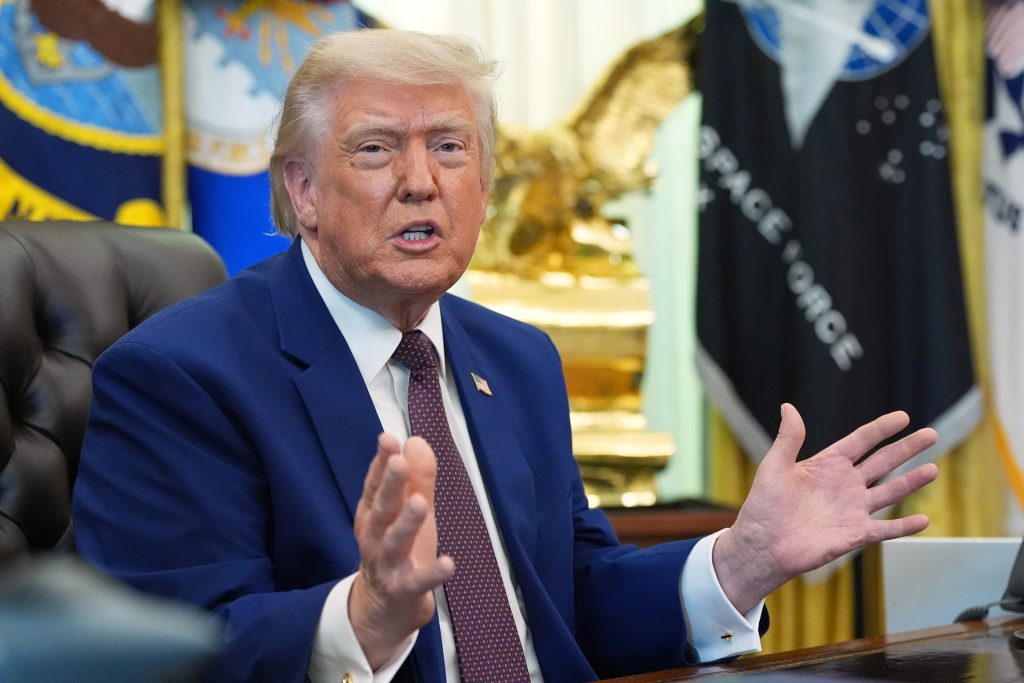
The recent 215-208 House vote to restrict President Trump’s war powers marks a significant turning point in Republican party cohesion. Driven by rising fuel costs, a stalled ceasefire, and growing electoral vulnerabilities, the conflict has become a political liability. This post explores the administration’s narrowing options amid deepening institutional opposition.
Netanyahu’s Real Goal Is Not Victory — It Is Preventing a Deal
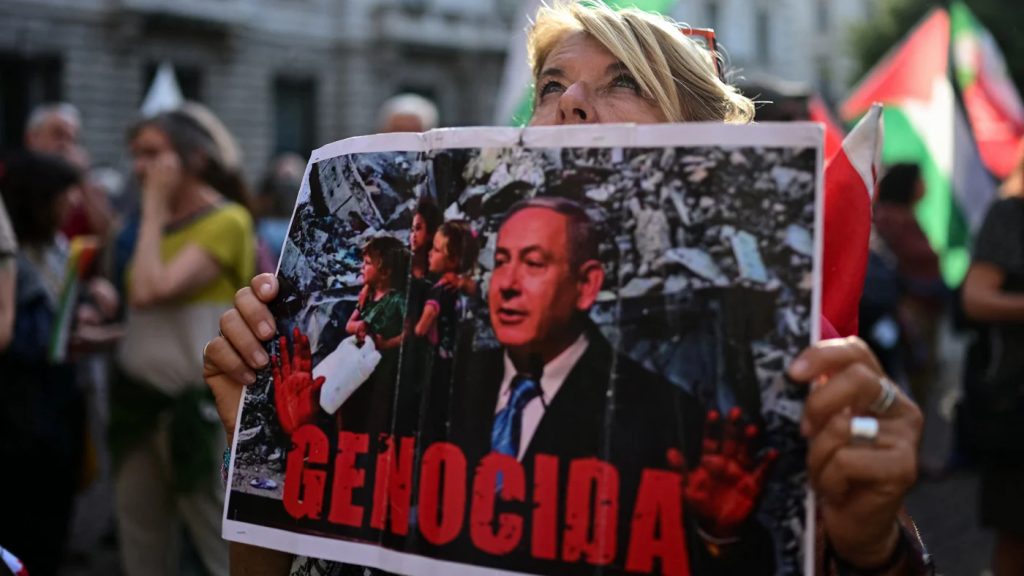
This analysis examines Benjamin Netanyahu’s strategic opposition to the emerging US-Iran memorandum of understanding. By utilizing military escalation in Lebanon and Gaza, Netanyahu seeks to render diplomatic stabilization efforts unmanageable. The article explores the growing tension between Washington’s domestic political requirements and Israel’s maximalist regional objectives during this critical period.
Lebanon’s Endless War Loop Is a Failure of Strategic Imagination
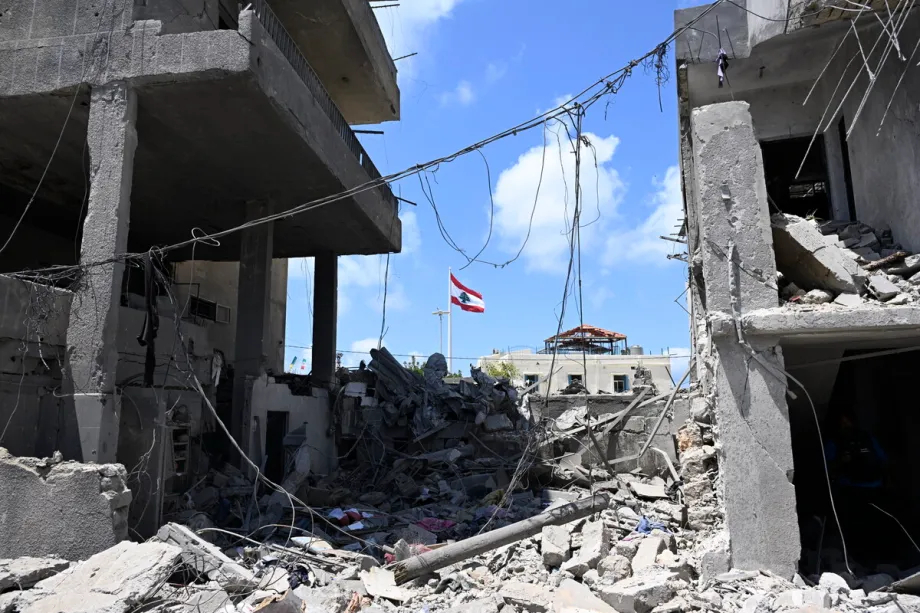
This analysis explores the historical failure of military-only solutions in the Lebanon conflict, tracing the pattern of violence from 1978 to the present day. Despite massive increases in operational scale—culminating in the devastating impact of the 2026 campaign, which has displaced nearly one-fifth of the Lebanese population—the strategic goal of eliminating Hezbollah remains elusive. By examining the persistent cycle of destruction and rebuilding, we argue that current military operations are trapped in a “strategic time loop.” We assess the widening disconnect between Washington-led ceasefire negotiations and the reality on the ground, questioning whether any military alternative can succeed where fifty years of history has definitively proven failure.
America’s Empire of Bases Is Starting to Cost Its Hosts Too Much
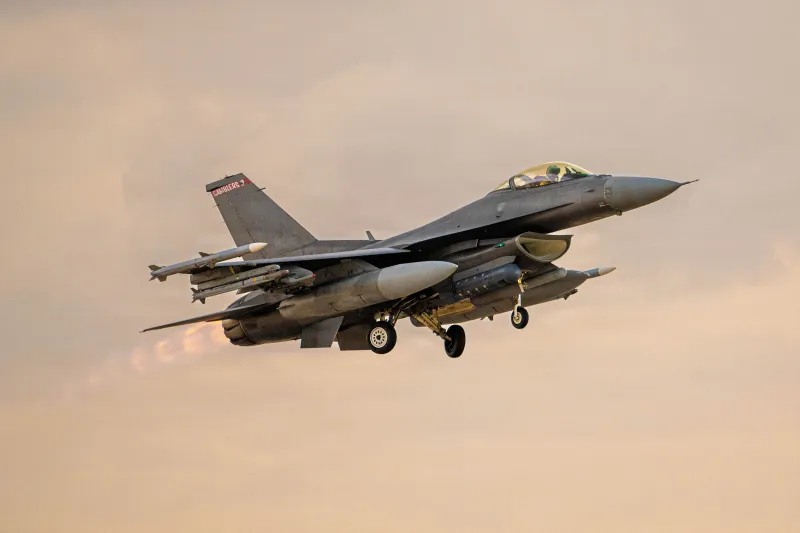
This analysis examines the growing strategic liability of the U.S. “empire of bases” in the Middle East. As the ongoing conflict with Iran reveals the vulnerability of host-nation infrastructure—exemplified by the devastating June 3 attack on Kuwait International Airport—we explore how the proliferation of low-cost, high-impact drone and missile technologies has fundamentally inverted the security guarantee the U.S. once provided. We assess whether the increasing risk of hosting U.S. forces will lead to a systemic denial of access, potentially forcing a retraction of American global reach and fundamentally altering the future of U.S. military power.