
Ukraine’s Grinding War Is Slowly Turning Against Russia
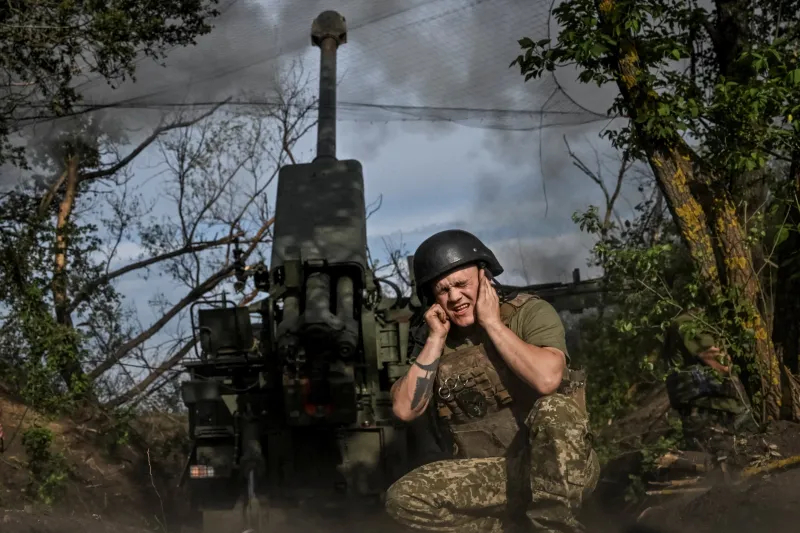
As of June 1, 2026, the war in Ukraine is characterized by intensified aerial bombardment and long-range drone strikes, deepening the cycle of destruction. With diplomatic efforts stalled and both Moscow and Kyiv prioritizing battlefield gains over concessions, the conflict has settled into a high-intensity stalemate. This report examines the current military landscape, the impact of mid-range strike campaigns on logistics, and the growing divide between U.S.-led pressure for a swift resolution and the European commitment to a sustained, deterrence-based approach to Russian aggression.
Trump Is Trading Myanmar’s Democracy for Rare Earth Minerals

This article investigates the Trump administration’s dramatic shift in Myanmar policy, pivoting from decades of democracy promotion to a transactional pursuit of rare earth minerals. By analyzing the gutting of humanitarian programs, the entry of unconventional political lobbyists, and the logistical challenges of supply chains controlled by China-backed groups, we assess how this prioritization of strategic resources threatens long-term U.S. regional influence and democratic values.
Russia’s Post-Soviet Grip Is Fracturing — but Not Collapsing
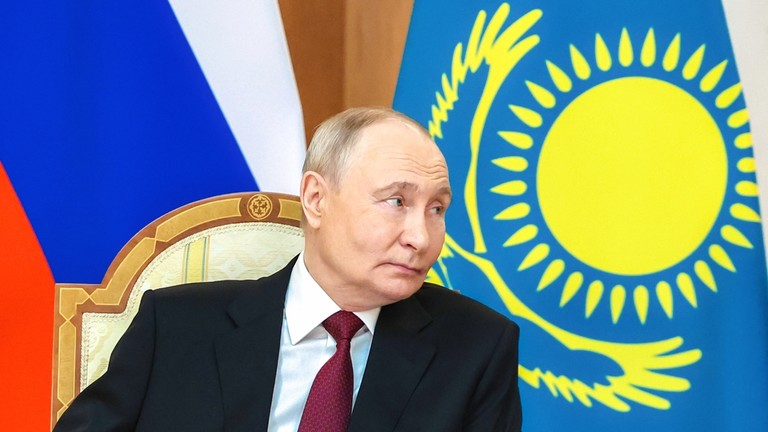
The parliamentary elections scheduled for June 7, 2026, represent a critical turning point for Armenia’s political and strategic landscape. As the country navigates complex security challenges and fragile peace negotiations with Azerbaijan, these elections serve as a de facto referendum on Prime Minister Nikol Pashinyan’s agenda and Armenia’s future orientation. This report examines the intense domestic polarization, the ongoing tensions in relations with Moscow, and the broader implications of this vote for Armenia’s path toward European integration and regional stability in the South Caucasus.
How Israel’s Veto Power Is Undermining US-Iran Diplomacy
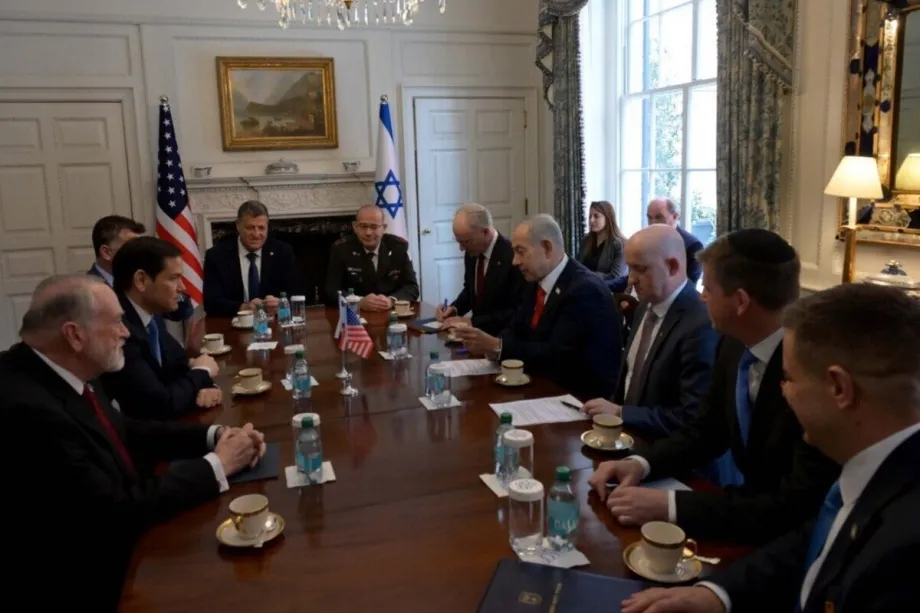
This analysis examines the current collapse of diplomatic efforts between Washington and Tehran as of June 1, 2026. Following Israel’s intensified military operations in Lebanon—which Iran views as a breach of the ceasefire—Tehran has suspended indirect communications. We explore the implications of this breakdown for the Strait of Hormuz, the status of the proposed memorandum of understanding, and the escalating risks of a return to full-scale regional conflict.
EU’s Chinese Tech Purge Is Costly, Contradictory, and Politically Driven
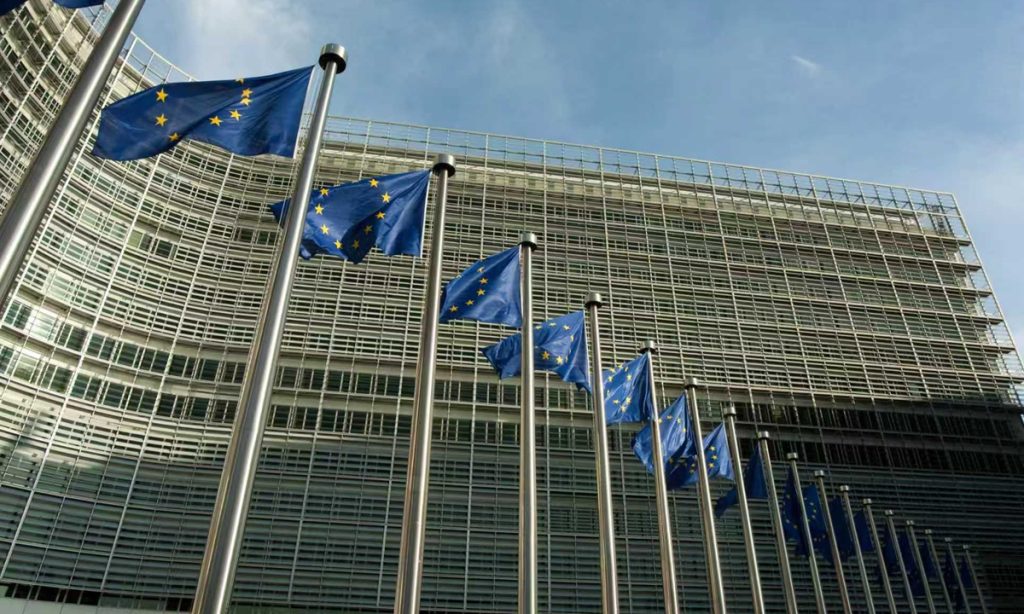
This analysis evaluates the European Commission’s 2026 Cybersecurity Act revisions, which aim to exclude high-risk third-country suppliers from critical networks. We explore the tension between Brussels’ pursuit of digital sovereignty and the economic realities of replacing deeply embedded Chinese technology. By questioning the shift toward origin-based blacklisting rather than universal security auditing, we assess the potential for retaliatory trade measures and long-term instability in EU-China relations.