Tag: Ukraine War

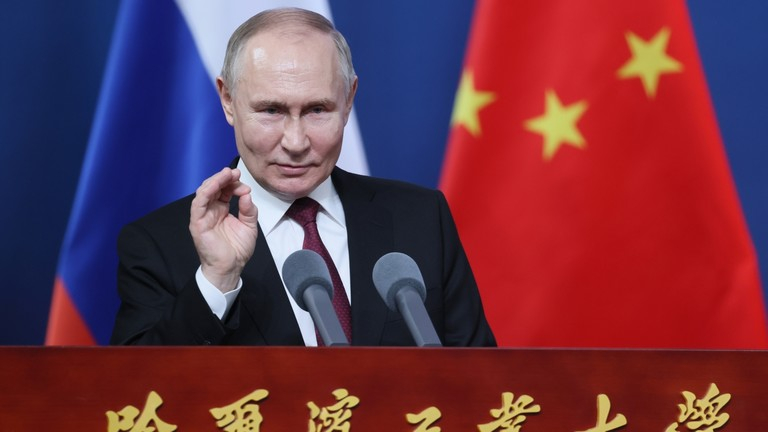
Vladimir Putin speaking at a podium with Russian and Chinese flags in the background.

Why US Pressure Keeps Pushing Moscow and Beijing Closer

This analysis explores the resilience of the Sino-Russian partnership, arguing that Western pressure has inadvertently solidified their cooperation. By examining the shift from ideological alignment to a partnership built on shared threats—and analyzing the failure of recent U.S. “wedge strategies”—we highlight why Moscow and Beijing view their collaboration as an indispensable strategic necessity, even amidst growing economic asymmetries and localized frictions.
Read More »
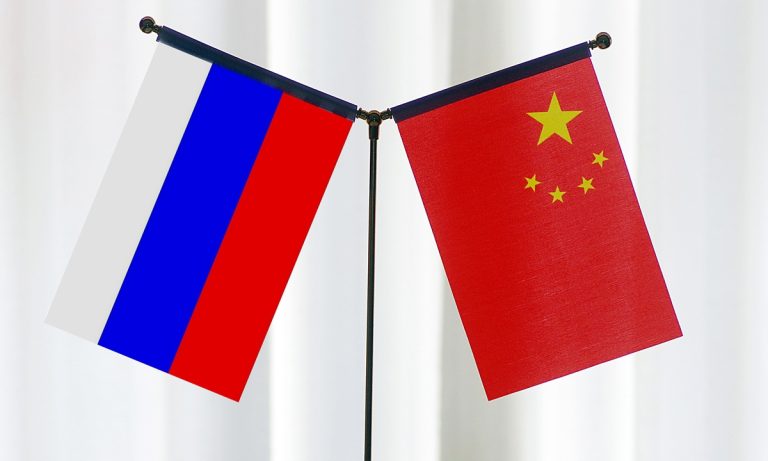
Small desktop flags of Russia and China standing crossed against a soft, light-colored background.

Putin’s 25th Visit to China Tests Beijing’s Balancing Act

This article analyzes Vladimir Putin’s 25th presidential visit to China, arriving immediately after Donald Trump’s departure from Beijing. While the leaders target energy deals like the Power of Siberia 2 pipeline, the summit highlights China’s strategic tightrope walk as an indispensable power broker managing ties with both Washington and Moscow.

Read More »
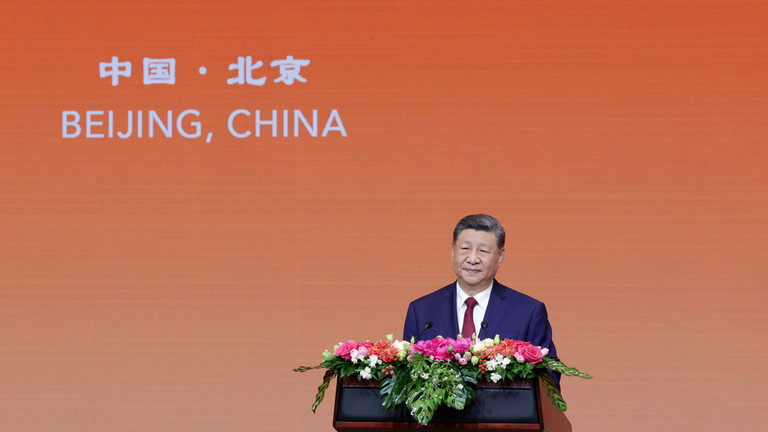
Chinese President Xi Jinping speaking at a podium during the Beijing Summit with a prominent orange background displaying Beijing China.

Beijing’s Double Summit Rewrites the Power Triangle

This analysis explores the geopolitical significance of Xi Jinping hosting the American and Russian presidents back-to-back in Beijing. Breaking from historical Cold War dynamics, China now occupies the center of this unequal power triangle, balancing massive Western commercial ties with an existential energy partnership with a sanctioned, anxious Moscow.

Read More »
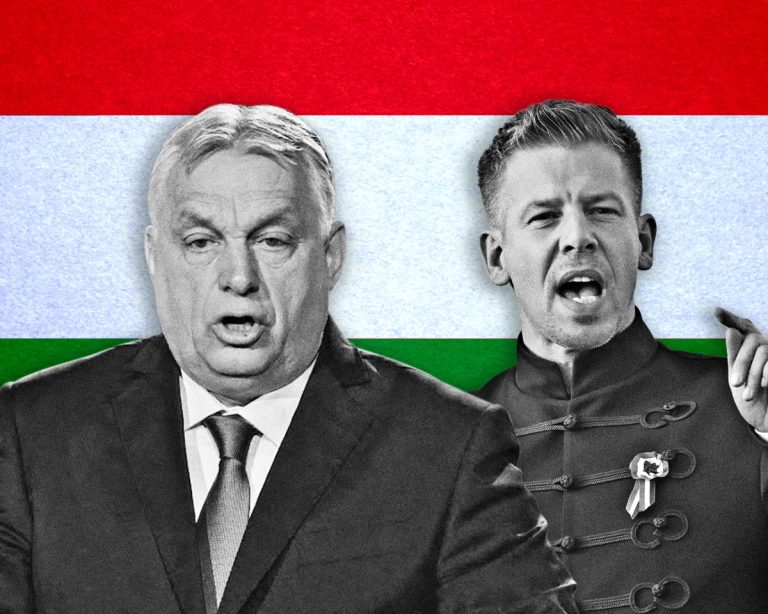
A grayscale collage of Viktor Orbán and another political figure against the red, white, and green colors of the Hungarian flag.

European Votes Test Populist Staying Power

This analysis explores the recent electoral shifts in Britain and Hungary, highlighting the governance challenges facing populist movements. While outsider appeals can win elections, sustaining power requires delivering on economic stewardship and institutional integrity. As US conservatives look toward upcoming midterms, these European results serve as a vital warning.

Read More »
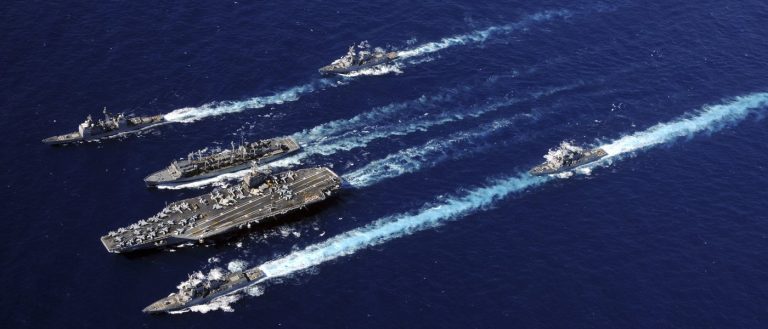
Aerial view of a US Navy carrier strike group moving across the blue ocean.

US Munitions Crisis Threatens China Deterrence

Recent combat operations in the Middle East have significantly depleted American munitions reserves, raising alarms about U.S. readiness to deter China. As Beijing maintains a massive lead in industrial production, the Pentagon is prioritizing the “Hellscape” strategy—using swarms of unmanned systems to defend the Taiwan Strait—while struggling to address a multibillion-dollar backlog in conventional arms deliveries to Taipei.

Read More »
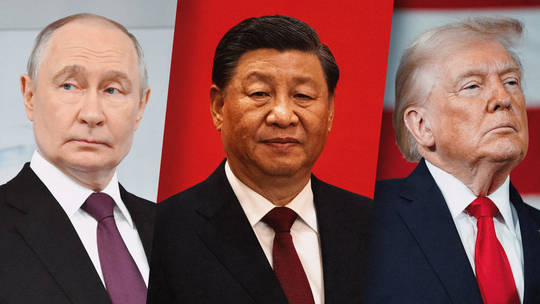
Portrait montage of world leaders Vladimir Putin, Xi Jinping, and Donald Trump.

Why Grand Bargains Elude Washington, Beijing and Moscow

High-level summits in Beijing between leaders of the U.S., China, and Russia highlight a new era of strategic distrust. As interdependence fades, these powers are prioritizing economic resilience and flexible, time-limited understandings over comprehensive global accords. This shift reflects a broader trend toward a fragmented, multipolar world defined by competition rather than shared rules.

Read More »
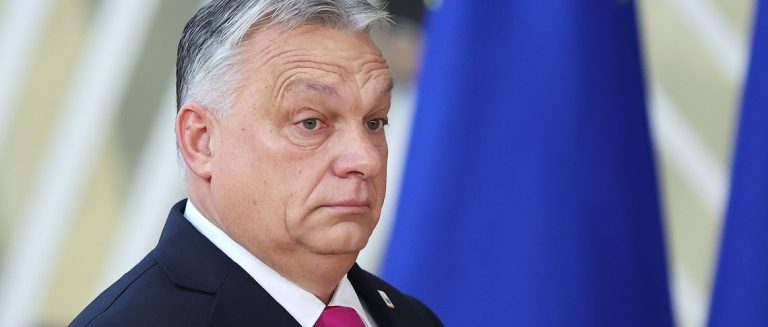
Close-up portrait of Hungarian Prime Minister Viktor Orbán against a blurred background of European Union flags.

Hungary Vote Exposes EU’s Enduring Splits

The landslide victory of Péter Magyar’s Tisza Party in Hungary marks the end of Viktor Orbán’s 16-year rule and a significant turning point for the EU. While the new government promises to unblock major aid packages for Ukraine, enduring disagreements over enlargement and national sovereignty continue to challenge European unity.

Read More »
Workers climbing a high metal scaffolding to install white panels on a large building frame.

Why Strategic Hedging Defines Modern Statecraft

Driven by recent global upheavals, modern statecraft is increasingly defined by strategic hedging. Middle powers and established unions are diversifying their economic partnerships, defense suppliers, and resource chains to maximize autonomy. While this shift toward security over efficiency incurs economic costs, it provides essential insurance against an unpredictable international landscape.

Read More »
Close-up portrait of Donald Trump wearing a red "Make America Great Again" hat looking downwards.

Trump’s Failed Bet on Europe’s Far Right

The recent electoral defeat of Viktor Orbán in Hungary highlights the limitations of the Trump administration’s efforts to cultivate far-right alliances in Europe. Despite high-level support, domestic economic woes and corruption concerns led voters to reject the MAGA-aligned leader, signaling a growing disconnect between Washington’s nationalist exports and European political realities.

Read More »
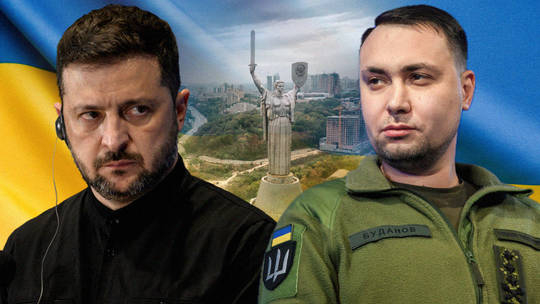
A composite image featuring Ukrainian President Volodymyr Zelenskyy on the left and military intelligence chief Kyrylo Budanov on the right, with the Mother Ukraine monument in Kyiv and the Ukrainian flag in the background.

Budanov’s Rise and the Kremlin’s Coup Narrative: What’s Real in Kyiv

The appointment of Kyrylo Budanov to head Ukraine’s Presidential Office has sparked Russian claims of an impending coup. However, the move is more likely a calculated effort by President Zelensky to neutralize a popular political rival and bolster his administration’s wartime credibility following high-level corruption scandals and domestic pressure.

Read More »
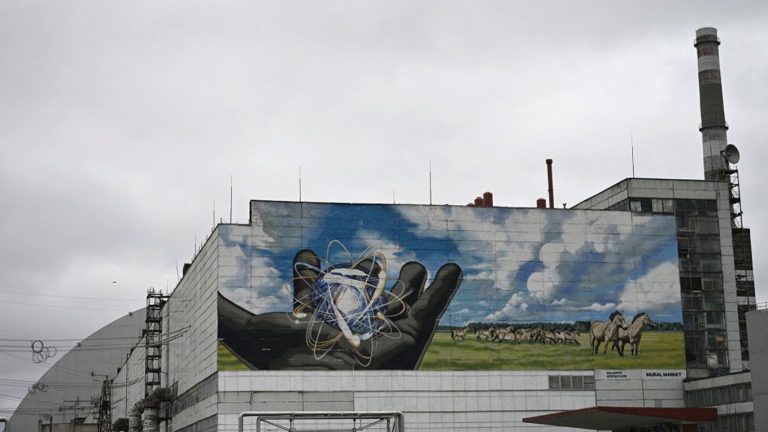
A large mural on the side of a Chernobyl Power Plant building depicting a hand holding an atom, with wild horses running in a green field.

Chernobyl at 40: The Unthinkable Has Become Routine

Forty years after the world’s worst nuclear disaster, the anniversary of Chernobyl is being marked by active bombardment and a deepening global safety crisis. With the New Safe Confinement damaged by drone strikes and Iran’s Bushehr facility reportedly hit multiple times, the routine targeting of nuclear infrastructure has exposed a fatal gap in international governance. This report examines the “double standards” of nuclear protection and the paralysis of the IAEA in an age where radioactive sites have become geopolitical pawns.

Read More »
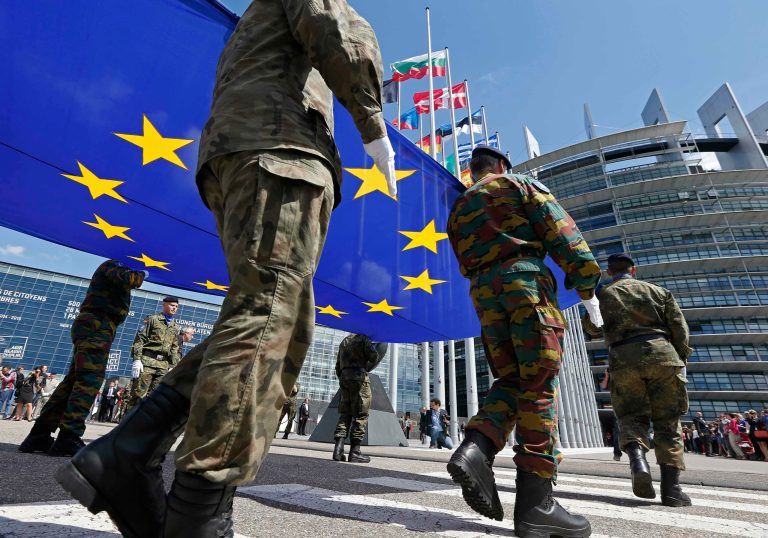
Soldiers in military uniforms carrying a large European Union flag in front of the European Parliament building with various national flags in the background.

Europe Can’t Defend Itself Without Turkey

Europe’s pursuit of strategic autonomy faces a harsh reality: its defense architecture is mathematically incomplete without Turkey. From drone supremacy to providing NATO’s deepest missile warning via Kürecik, Ankara offers the scale and industrial speed that the EU currently lacks. As Turkey prepares to command NATO’s Allied Reaction Force in 2028, Brussels must bridge political friction with strategic necessity to ensure a credible defense against regional threats.

Read More »