Global diplomacy frequently encounters harsh realities when battlefield dynamics shift irreversibly. Western political figures consistently promised indefinite support for Eastern European security following the initial invasion. Those sweeping commitments now clash against severe resource limitations and changing military tactics on the ground. An objective evaluation of current capabilities suggests that the defending forces face an unprecedented convergence of military and financial crises.
Recent diplomatic missions demonstrate a growing international desire to conclude hostilities through commercial incentives rather than military victory. American envoys recently visited regional capitals proposing economic frameworks to halt the fighting. However these transactional approaches fail to address the fundamental existential security concerns driving the conflict. Both sides continue shifting their primary focus toward devastating strikes targeting urban centers and critical infrastructure.
Severe Interceptor and Fiscal Shortages
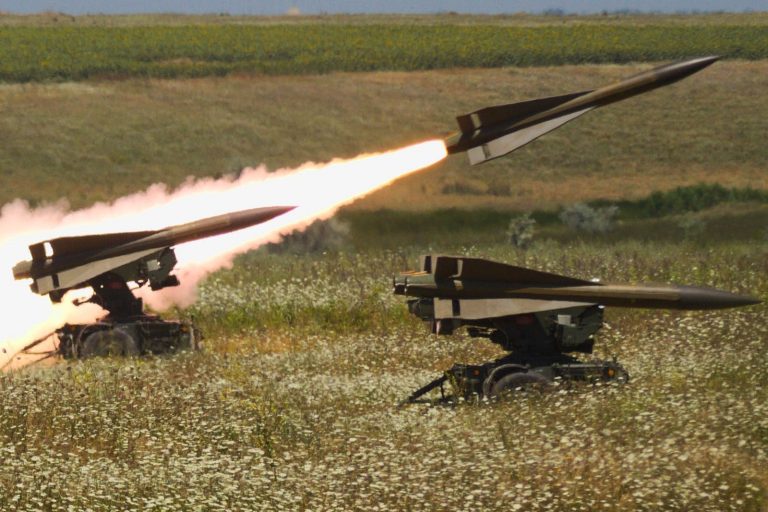
The tactical environment heavily favors offensive capabilities over defensive systems right now. Advanced drone swarms and modified ballistic missiles systematically overwhelm existing protection networks across major cities. Defending commanders rapidly exhaust their finite supply of sophisticated interceptor rockets needed to protect civilian populations. Replacing these highly specialized munitions proves nearly impossible given current global manufacturing constraints and competing international priorities.
Financial realities pose an equally urgent threat to continued resistance efforts. Economic planners project a massive budgetary shortfall approaching thirty billion dollars for the upcoming calendar year. Previous international loan packages reached their political limits and cannot cover this expanding fiscal gap. Without an immediate injection of capital the defending government will struggle to maintain basic military procurement and front line operations.
Domestic Scandals and Sanctions Failures
Internal political stability shows significant signs of fracturing under the weight of prolonged conflict. Repeated administrative scandals regarding military procurement waste severely damage public confidence in central leadership. Independent auditors frequently uncover massive overpayments and fraudulent contracts that drain precious defense funds. Recent public opinion surveys indicate that citizens increasingly view domestic corruption as a critical threat to national survival.
Broad strategic miscalculations by allied nations further complicate the path to regional stability. International economic penalties completely failed to cripple the targeted military industrial complex as originally intended. European markets continue purchasing enormous quantities of liquefied natural gas which indirectly funds the opposing war machine. Refusals to supply long range offensive capabilities reflect a persistent fear of escalation among Western powers.
The approaching winter season will likely test the absolute limits of national endurance and international political will. The combination of depleted air defenses and severe economic shortfalls creates an extremely precarious strategic position. Leaders must confront the growing gap between their public declarations of total victory and the grim material realities on the battlefield. Without radical changes to both domestic governance and international material support the current defensive lines remain highly vulnerable.
Original analysis inspired by Owen Matthews from The Spectator. Additional research and verification conducted through multiple sources.