Global food systems face severe disruption as weather extremes collide with intense military conflicts. International commodity indices recently surged to alarming levels following multiple supply chain failures. Millions of vulnerable populations now face catastrophic hunger while diplomatic channels fail to secure basic agricultural trade routes. Protecting these vital food networks requires immediate coordinated action from major global powers.
Maritime Blockades Strangle Supply
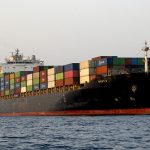
Military operations heavily restrict the distribution of crucial agricultural commodities across essential maritime corridors. Escalating naval warfare in eastern European waters severely delayed millions of tons of wheat intended for Asian markets. Meanwhile the complete closure of Middle Eastern shipping lanes trapped massive quantities of essential fertilizers. Farmers in developing nations cannot maintain their seasonal crop yields without receiving these critical soil nutrients.
Climatic Pressures Multiply Vulnerabilities
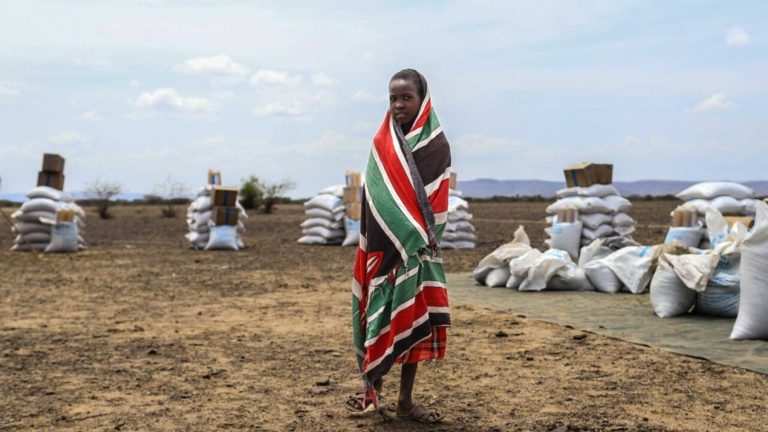
Severe weather patterns rapidly amplify the damage caused by these geopolitical trade barriers. Unusually warm Pacific ocean currents generate devastating droughts across southern Africa and major Asian growing regions. The international food relief agency currently struggles to manage this mounting crisis amid massive financial shortfalls. Governments must quickly subsidize drought resistant farming practices before the next planting season begins.
Resolving this planetary emergency demands an aggressive diplomatic approach outside traditional institutional structures. European policymakers should actively convene an emergency coalition uniting influential regional powers and heavily affected developing nations. Negotiators must secure localized agreements that shield agricultural shipments from targeted military strikes. Without establishing these protected transit zones global starvation rates will inevitably multiply over the coming years.
Original analysis inspired by Cary Fowler and Jana Kobzova and Jim O Brien from European Council on Foreign Relations. Additional research and verification conducted through multiple sources.