Tag: Territorial Dispute

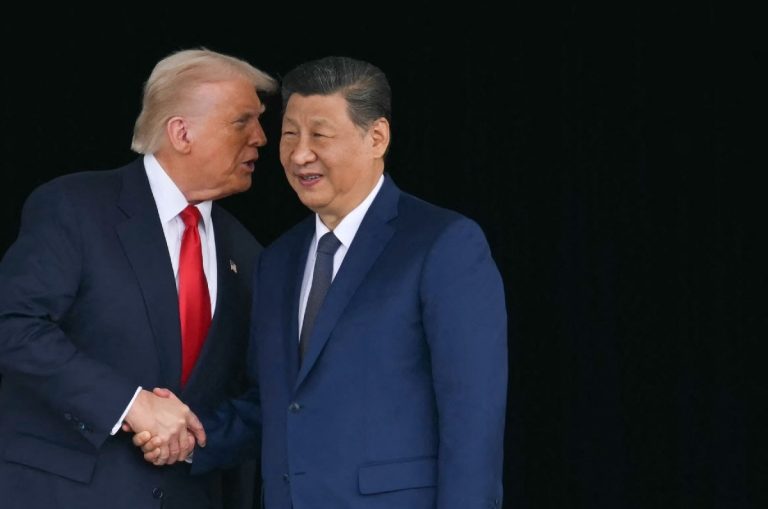
Donald Trump shaking hands with Xi Jinping.

Trump’s Taiwan Arms Gamble Is Rattling the Indo-Pacific

Senator Tammy Duckworth’s arrival in Taipei marks a critical response to recent shifts in U.S. policy. As Trump casts doubt on long-standing arms commitments, Duckworth is reframing Taiwan’s autonomy as a vital economic and strategic necessity, emphasizing its role in the global semiconductor supply chain to secure lasting bipartisan support.

Read More »
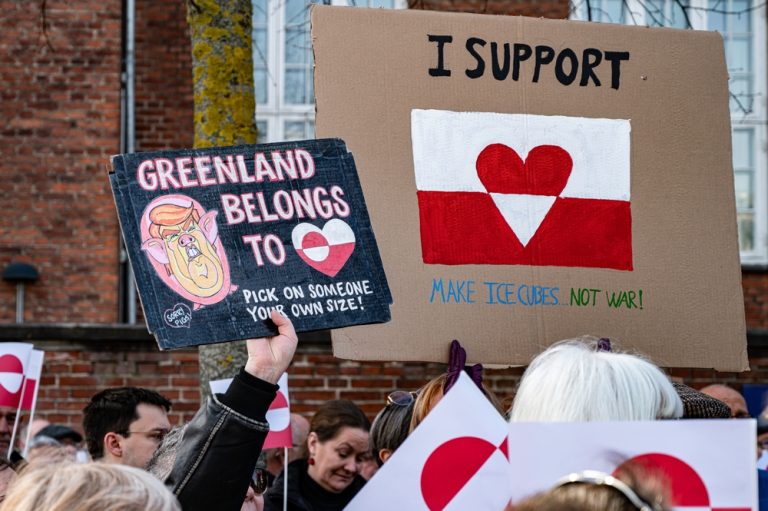
Protesters holding signs in Copenhagen expressing opposition to the potential U.S. purchase of Greenland.

Trump’s Greenland Push Risks Arctic Stability

President Trump’s continued pursuit of Greenland—despite firm rejections from Denmark and local leaders—is straining transatlantic relations. By prioritizing 19th-century expansionist goals over existing security partnerships like the Pituffik Space Base, the administration risks fracturing the very alliance framework currently protecting the Arctic.

Read More »
Armenian Prime Minister Nikol Pashinyan waving to the crowd while wearing an orange lapel pin.

Armenia Bets on Turkey — and the Stakes Have Never Been Higher

This analysis explores the strategic realignment currently underway between Armenia and Turkey. After decades of frozen borders and historical enmity, recent diplomatic efforts suggest a potential breakthrough aimed at economic integration and regional connectivity. However, the article highlights the divergent motivations behind this process: Yerevan seeks a pivot toward the European Union as it distances itself from Russia, while Ankara views normalization as a tool to consolidate its position as an indispensable regional hub. We assess the persistent risks—including Azerbaijan’s unresolved territorial demands, the limitations of Western security guarantees, and the shadow of Russian influence—that continue to complicate Armenia’s efforts to establish a durable path toward stability. Ultimately, this piece questions whether normalization offers a genuine escape from regional dependency or merely replaces one set of structural vulnerabilities with another.

Read More »
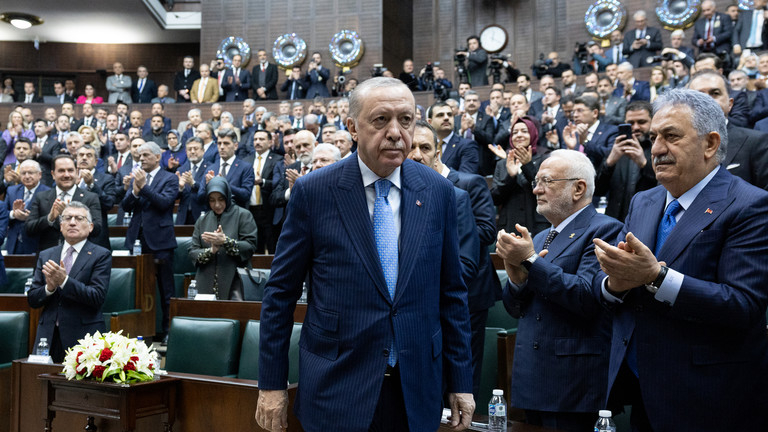
Turkish President Recep Tayyip Erdoğan walking through a crowded assembly hall.

Turkey Is Building the Military Network Iran Could Never Assemble

This analysis examines Turkey’s ambitious regional military strategy as demonstrated at the EFES-2026 exercise. By hosting troops from across North Africa and the Levant—including previously fractured Libyan factions and Syria’s newly reconstituted army—Ankara is moving beyond the proxy-based influence models of the past. We explore how Turkey is leveraging its institutional legitimacy and NATO status to formalize a durable military network, effectively creating a new strategic reality in the Middle East that challenges Israeli security planning and reshapes the regional balance of power.

Read More »
A city skyline engulfed in thick, dark smoke from an industrial fire or explosion.

UAE’s Facade of Neutrality Crumbles in US-Iran War

This analysis examines the erosion of the United Arab Emirates’ neutrality during the 2026 US-Iran conflict. By detailing the UAE’s secret military participation, integration into regional air defense networks, and the subsequent economic and security vulnerabilities created by these choices, we explore how Abu Dhabi has moved from a regional arbiter to a direct, and exposed, participant in the ongoing regional war.

Read More »
Chinese military officers in green uniforms walking in front of the Great Hall of the People in Beijing.

Beijing’s Patient Strategy on Taiwan

Beijing pursues unification through patience, leveraging power trends, Taiwan’s divisions, and gray‑zone pressure while avoiding a costly war. Its long game aims to make political convergence seem inevitable without triggering catastrophic conflict.

Read More »
President Ilham Aliyev of Azerbaijan standing with an Iranian cleric and an official during a press meeting.

Azerbaijan Chose Diplomacy Over War — and Washington’s Hawks Are Furious

## **Micro‑Brief (50 words)**
Azerbaijan defused a crisis that Washington’s hawks hoped would open a northern front against Iran. After drone strikes on Nakhchivan, Baku briefly mobilized but quickly reversed course, reopening borders and sending aid. Pipeline vulnerability, Turkey’s restraint, and Iran’s large Azeri population made escalation untenable — exposing the limits of anti‑Iran coalition fantasies.

If you’re keeping this as part of your serialized war‑briefs, I can align tone and cadence across all entries.

Read More »
Two soldiers in full white winter camouflage gear, including white face masks and helmets, standing side-by-side and holding black assault rifles equipped with advanced scopes and tactical attachments.

NATO’s Arctic Sentry: Deterrence Without Guardrails

NATO’s new Arctic Sentry unifies allied operations in the High North, but it emerges amid tensions triggered not by Russia, but by Trump’s threats to annex Greenland. The buildup expands deterrence without communication channels, raising the risk of accidents in a nuclear‑sensitive region. With Russia unengaged diplomatically, even a minor incident could spiral into unintended conflict.

Read More »