Tag: Freedom of Press

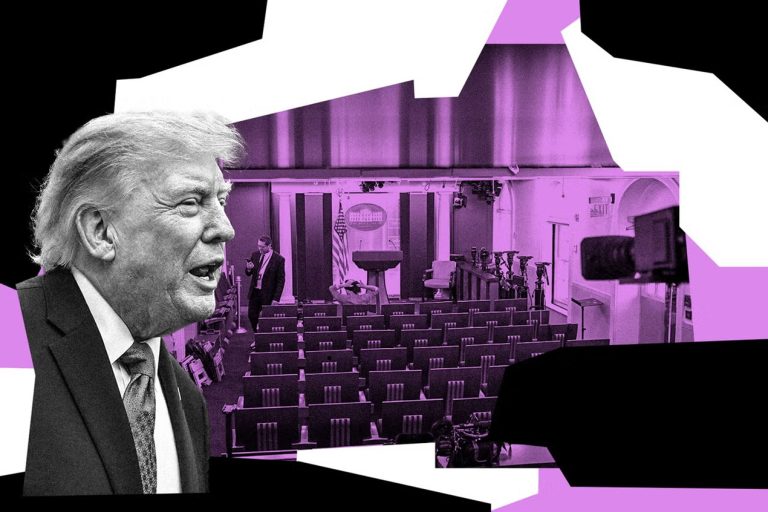
Graphic collage featuring Donald Trump in profile juxtaposed with an empty White House press briefing room tinted in purple.

Executive Power and the Assault on American Free Speech

Executive pressure is increasingly targeting media outlets, academic institutions, and legal watchdogs. Through regulatory maneuvers and strategic litigation, institutional safeguards around American free speech face mounting strain, prompting legal experts to warn of lasting damage to civil liberties.
Read More »
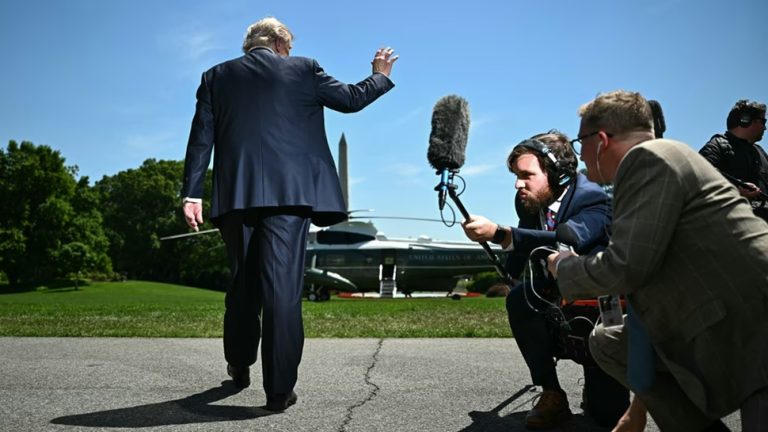
Donald Trump waving as he walks away toward Marine One while journalists point microphones

Trump Escalates Media Battles With White House Press Ban

President Trump has revoked White House credentials for CNN, Politico, and MS NOW over critical coverage, sparking immediate media fallout. Major broadcast networks halted shared rotational filming in solidarity, while the excluded outlets filed a federal lawsuit challenging executive overreach and defending press access under the First Amendment.

Read More »
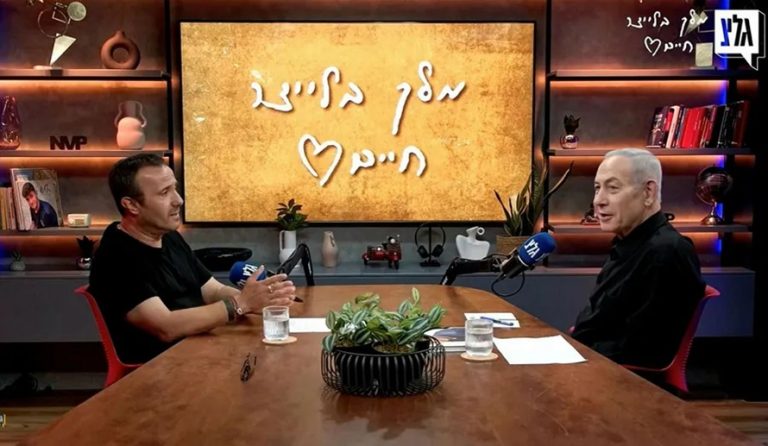
Benjamin Netanyahu sitting at a wooden studio desk during a podcast interview with Hebrew text glowing on a background screen.

Netanyahu Campaign Tests Israel’s Digital Election Rules

Israel’s election campaign is exposing a growing weakness in political transparency. As political parties utilize supposedly independent podcasters and digital creators to spread their messages, the boundaries of official advertising blur. Voters are now left struggling to distinguish genuine commentary from coordinated campaign messaging.

Read More »
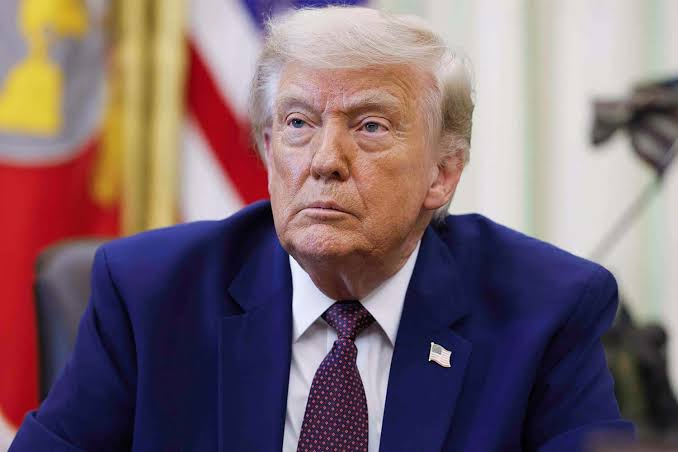
A close-up portrait of Donald Trump looking serious.

Trump Turns 80: What His Cultural Obsessions Reveal About His Presidency

This article examines how Donald Trump’s milestone 80th birthday highlights a presidency anchored in the cultural sediment of the 1980s. By analyzing his tendency to process contemporary geopolitical and domestic challenges through antiquated television and entertainment templates, the piece argues that Trump’s worldview is dangerously misaligned with the complexities of 2026. From the weaponization of media ownership to policy decisions seemingly inspired by film schedules, the analysis explores the risks of a leader managing a high-stakes, digital-age world through the narrow, nostalgic framework of a bygone era.

Read More »
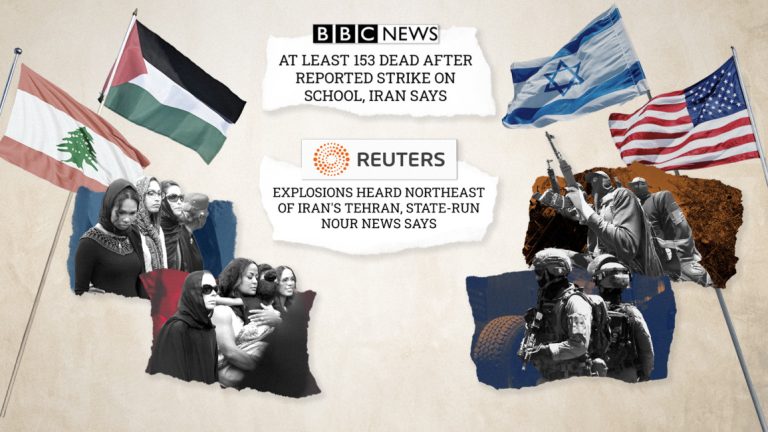
A collage featuring flags, news headlines from BBC and Reuters, and contrasting imagery of civilians and soldiers to illustrate media framing.

How Western Media Language Became a Weapon in the Iran War

This analysis explores how linguistic choices in mainstream Western media have constructed a specific narrative around the US-Israel military campaign against Iran. By examining the shift from passive-voice framing for airstrikes to active-voice descriptions of Iranian responses, the article illustrates how clinical euphemisms—such as “decapitation strikes”—obscure the legal and humanitarian realities of the conflict. The post argues that existing international relations vocabulary is ill-equipped to describe the doctrine of permanent preemption, calling for more rigorous analytical frameworks that challenge state-led narratives rather than merely repeating them.

Read More »
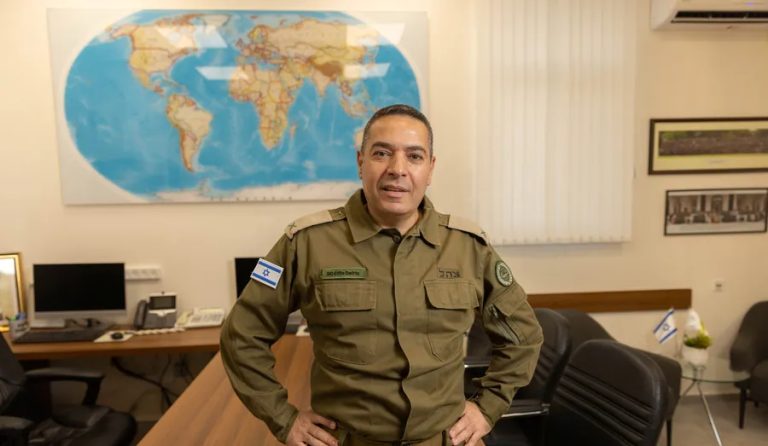
An Israeli military official in uniform standing in an office in front of a world map.

Israel’s Military PR Machine Is Breaking Down Where It Matters Most

This article examines the breakdown of the IDF Spokesperson’s Unit under Brigadier General Effie Defrin. By analyzing the decline in military transparency, the misuse of media controls, and the shift in international public opinion, we assess how retreating from difficult truths is undermining the credibility of Israel’s strategic communications.

Read More »
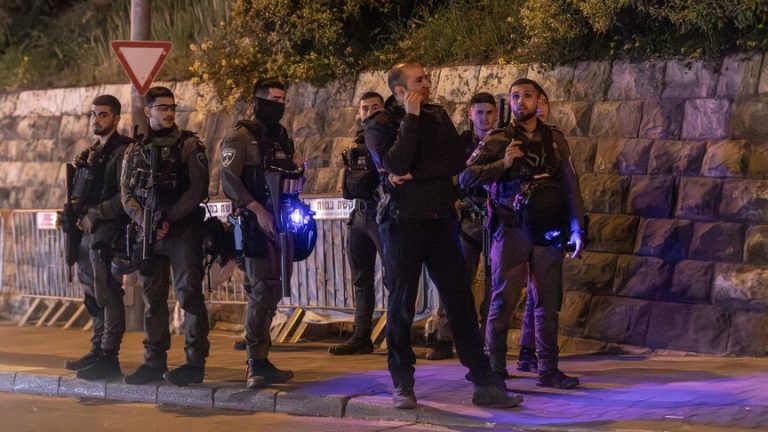
Israeli security forces standing in a line at night.

How Israel’s Entry Denials Target Critical Journalists

This article examines a leaked Israeli police dossier revealing the criteria used to bar foreign correspondents, including covering Bedouin conditions or labor violations. Highlighting the case of Italian photojournalist Alessandro Stefanelli, the report details how systemic media exclusions and judicial deference are driving an unprecedented information blackout across the region.

Read More »
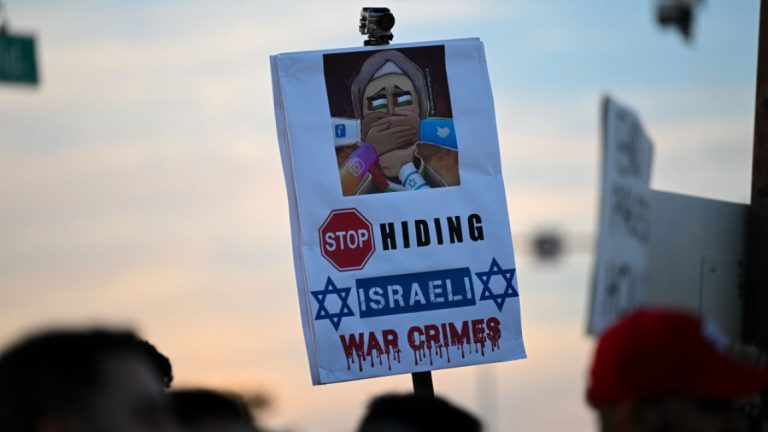
A protest sign showing a censored person and the text "Stop Hiding Israeli War Crimes" with social media icons.

Meta Faces Scrutiny Over Palestine Content Policies

A recent investigation into Meta’s content policies has exposed a systemic imbalance in how the platform moderates the Israel-Palestine conflict. The report highlights that while pages inciting violence often remain monetized, Palestinian media outlets face significant restrictions. This disparity raises critical questions about corporate responsibility and the role of social media in shaping real-world human rights outcomes.

Read More »
A man in a blue suit and striped tie pointing his finger forward while standing at a podium with "The Pentagon" logo.

Hegseth’s ‘Kill Talk’ Rewrites How America Speaks About War

In early 2026, the transition from the “Department of Defense” back to the “Department of War” has signaled more than just a name change; it represents a fundamental pivot in how the United States communicates the use of lethal force. Secretary of War Pete Hegseth has replaced the clinical, bureaucratic language of the past with a “Kill Talk” rhetoric that prioritizes dominance over diplomacy.

Read More »