American political memory holds immense reverence for dramatic diplomatic breakthroughs. When past leaders successfully negotiated with geopolitical rivals, they established an expectation that personal charisma could resolve intractable global conflicts. Observers frequently recall the historic normalization efforts of the nineteen seventies when presidential visits to Beijing fundamentally altered international alignments. Today, as relations between Washington and Beijing deteriorate rapidly, many citizens desperately hope for another miraculous diplomatic intervention. The current American president heavily promotes this narrative, insisting that his unique negotiating style can easily secure favorable outcomes.
However, the realities of modern bilateral engagement stubbornly resist these optimistic historical comparisons. During the recent May meetings in Beijing, both governments managed to maintain a fragile peace without altering their fundamental strategic competition. Instead of achieving genuine reconciliation, the two nations remain trapped in endless cycles of economic retaliation. Both administrations continuously exploit their respective control over essential supply chains to punish the other side. As leaders prepare for another high profile gathering in Washington this September, expectations require serious recalibration.
The Limits of Personal Charm
The primary obstacle preventing a meaningful breakthrough stems from profound differences in leadership psychology. Effective negotiation requires a willingness to concede specific points to secure broader strategic advantages. The American executive frequently alternates between extreme hostility and superficial camaraderie, making sustained diplomatic progress nearly impossible. He actively attempts to charm foreign adversaries using aggressive flattery and grand promises. Yet this erratic approach fails to generate the deep institutional trust necessary to resolve severe structural disagreements.
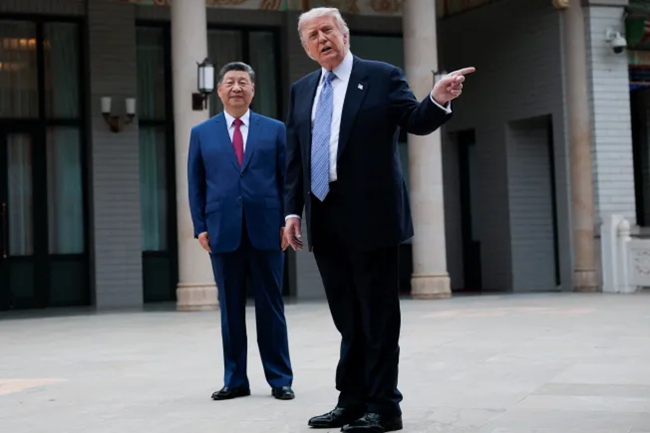
Conversely, the Chinese paramount leader views political compromise as an unacceptable display of weakness. His leadership style draws heavily from ancient authoritarian traditions that demand absolute control and emotional detachment. He consistently masks his personal intentions behind rigid protocol and carefully choreographed state ceremonies. During the previous summit, the American president enthusiastically declared their fantastic friendship, while his counterpart offered only minimal public engagement. By completely avoiding unscripted moments, the Chinese leader intentionally prevents any genuine personal connection from forming.
This stark emotional asymmetry creates a dangerous dynamic for international stability. While the American leader desperately seeks public validation through grand diplomatic agreements, his rival remains intensely suspicious of foreign motives. The Chinese administration remembers the wild policy swings of recent years and heavily doubts any promises made behind closed doors. Additionally, Beijing deliberately reminds the world that it cultivates powerful alliances with other major global players, reducing its dependence on Western approval. This strategic independence makes unilateral concessions extremely unlikely.
The Risks of Failed Expectations
The upcoming Washington meetings carry substantial risks if personal frustrations boil over. When the American president feels that his charms have failed to produce the desired submission, he frequently reverts to aggressive retaliation. Following the previous gathering, the administration immediately imposed new economic barriers and threatened additional trade tariffs against eastern manufacturers. If the September negotiations collapse under the weight of mismatched expectations, the resulting anger could easily trigger severe economic disruptions.
Relying entirely on unpredictable personalities to manage the most consequential bilateral relationship on earth invites disaster. Historical diplomatic triumphs succeeded because careful institutional preparation aligned perfectly with visionary leadership. Today, neither condition exists. Until both governments recognize the severe limitations of ego driven diplomacy, the destructive rivalry will only intensify.
Original analysis inspired by Orville Schell from Foreign Affairs. Additional research and verification conducted through multiple sources.