Tag: Yemen

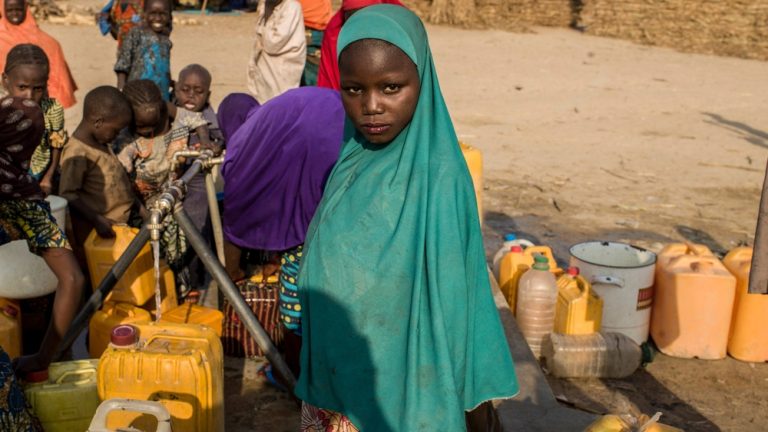
A young girl wearing a hijab standing near a water tap surrounded by yellow water containers in a humanitarian setting.

Children Pay Highest Price in Trump’s Wars

This article examines the alarming escalation of civilian casualties resulting from recent US military operations across Africa, the Middle East, and beyond. By analyzing incidents in Somalia, Yemen, and elsewhere, we explore the devastating impact on children, the erosion of accountability, and the long-term geopolitical consequences of unchecked remote warfare.

Read More »
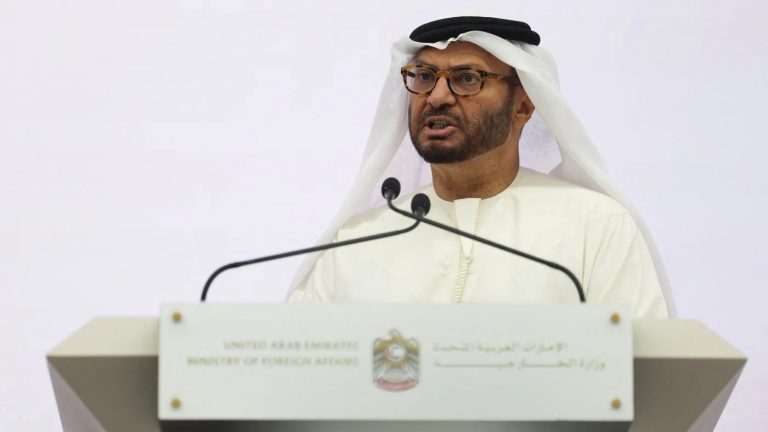
A man in traditional Emirati attire and glasses speaking behind a white podium featuring the United Arab Emirates Ministry of Foreign Affairs emblem.

UAE’s Legal Rhetoric Faces a Credibility Test

This analysis examines the growing contradiction between the United Arab Emirates’ diplomatic rhetoric championing international law and its controversial regional foreign policy. By evaluating Emirati involvement in Yemen, Sudan, and the Gaza conflict, the article highlights the credibility test Abu Dhabi faces in balancing strategic interests with global accountability.

Read More »
Men in traditional Emirati clothing walking in front of a large ADNOC logo.

UAE Leaves OPEC: Fractures in Gulf Oil Power

In a historic move, the United Arab Emirates has announced its withdrawal from OPEC. Driven by frustrations over production quotas and escalating bilateral tensions with Saudi Arabia, Abu Dhabi is prioritizing strategic autonomy and ADNOC’s expansion plans, potentially reshaping the future of global oil market coordination.

Read More »
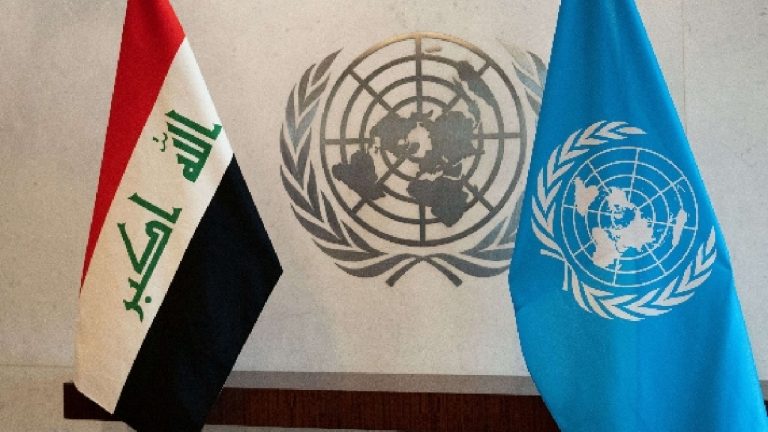
The flag of Iraq and the United Nations flag standing side-by-side in front of a wall with a large, faded UN emblem.

Regional Mediation and Civilizational Cooperation: Revising Huntington’s Framework

The conclusion of the UN Assistance Mission for Iraq’s 22-year mandate signifies a critical moment in Middle Eastern political dynamics. It encourages a reevaluation of how regional actors might resolve ongoing conflicts through mediation and cooperation instead of confrontation, highlighting the potential for regional diplomatic leadership to offer new conflict resolution frameworks beyond conventional great power intervention.

Read More »