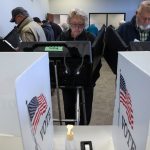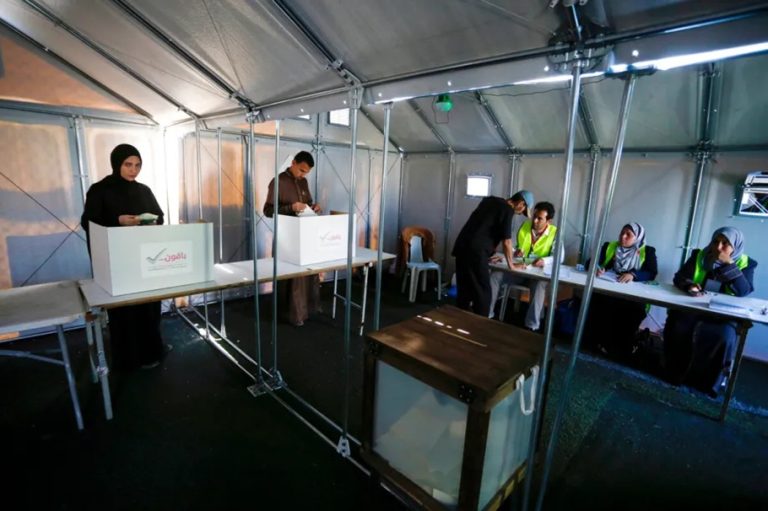
Palestinian authorities plan to conduct nationwide legislative balloting in November after a hiatus spanning nearly two decades. Organizing a unified vote across the West Bank, East Jerusalem, and the Gaza Strip represents an enormous logistical challenge amidst deepening physical isolation. Disillusionment remains widespread following municipal ballots earlier this year where turnout dropped to historic lows in several major districts. Electoral officials confront deep skepticism from voters who doubt that political processes can overcome existing realities.
Accelerating administrative decisions across the West Bank continue to alter legal boundaries and community governance. Human rights monitors track dozens of newly established settlements encroaching directly upon population centers previously designated for Palestinian autonomy. Vast parcels of rural property have been categorized as state land to facilitate legal annexation under civilian authority. Proposed policies to shift regional enforcement from military commands to civilian police forces further restrict the operational reach of local Palestinian institutions.
Territorial Realities Across Jerusalem and Gaza
Palestinian residents in East Jerusalem endure systematic segregation behind extensive security barriers that disrupt access to educational and medical facilities. Occupation officials frequently deny essential work permits to municipal educators, triggering indefinite school shutdowns across private institutions. In the southern coastal enclave, persistent insecurity and demolished civilian infrastructure make establishing secure polling centers nearly impossible. Local municipal administrators struggle to maintain order while foreign powers debate governance frameworks for the devastated territory.
The electoral timetable also aligns with shifting political currents inside neighboring Israel ahead of upcoming parliamentary elections. Major candidates competing for voter support openly endorse permanent territorial control over strategic parts of the Jordan Valley and West Bank hills. Political leaders across various factions describe the prospect of a sovereign Palestinian state as an unworkable fantasy. Consequently, any incoming coalition in Tel Aviv will likely preserve the expansionist policies that diminish Palestinian self determination.
The Search for Institutional Renewal
Internal political rivalries within Palestinian leadership cast an additional shadow over the democratic initiative. Recent adjustments to electoral thresholds threaten to scatter legislative seats among minor factions while consolidating control among appointed leadership bodies. Despite these legal manipulations, civil society groups strive to inject fresh legitimacy into governing bodies that have operated without public approval for generations. Restoring institutional vitality requires bringing younger representatives into national decision making structures.
Staging an election under military occupation presents severe structural contradictions that ballots alone cannot resolve. A new parliament will inherit severe limitations on revenue collection, physical movement, and basic civilian protection. Meaningful democratic representation cannot flourish when external authorities control residency rights, borders, and natural resources. True sovereignty demands that democratic mandates translate into practical authority rather than symbolic administrative titles.
Original analysis inspired by Dr Sania Faisal El Husseini from Middle East Monitor. Additional research and verification conducted through multiple sources.
By ThinkTanksMonitor