
Strait of Hormuz Crisis Threatens Global Alliances
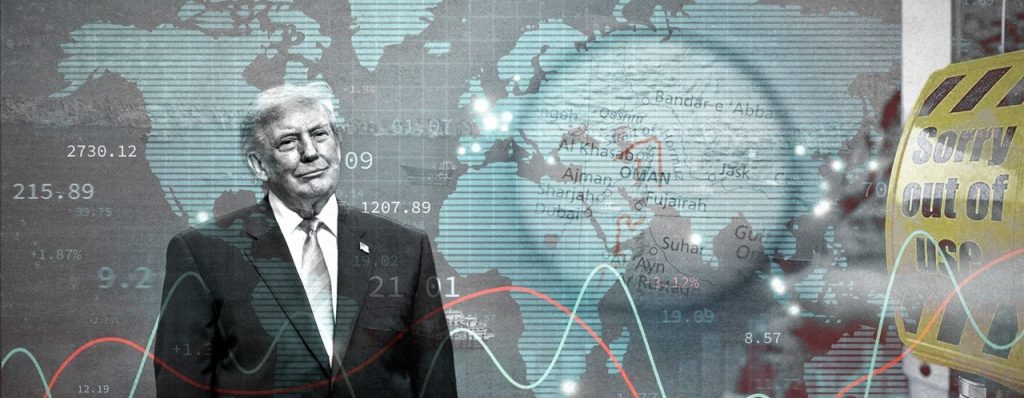
The disruption of the Strait of Hormuz highlights the systemic vulnerability of global supply chains dependent on distant maritime guarantees. Facing inflation, depleted treasuries, and severe energy shortfalls, European and Asian economies are experiencing the limits of traditional military alliances, compelling regional powers to pursue local defense pacts and strategic autonomy.
Palestinian Elections Face Severe Territorial Fragmentation
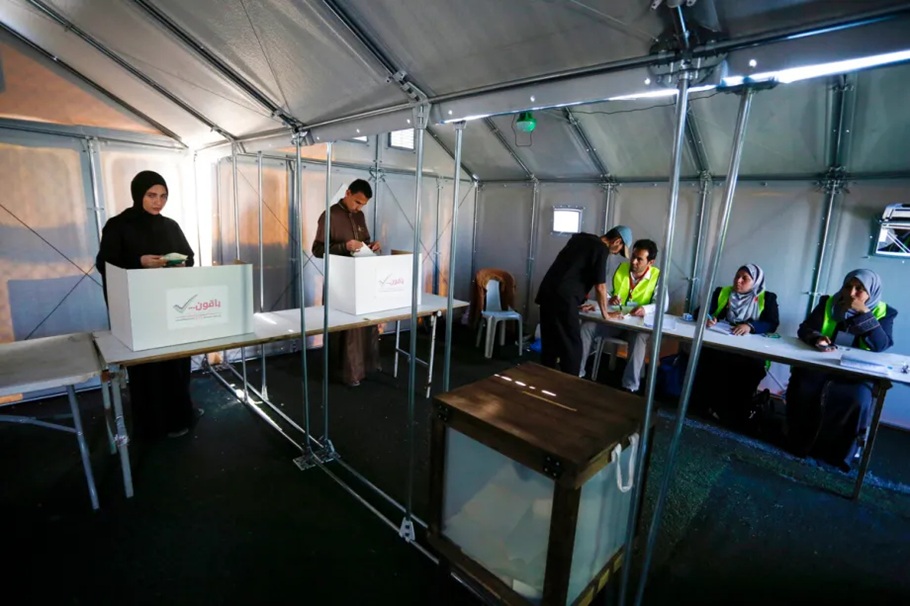
Planned Palestinian elections face severe obstacles across the West Bank, East Jerusalem, and Gaza after nearly twenty years of delay. Rising voter cynicism, expanding Israeli settlements, and internal political fractures highlight the deep structural challenges of organizing a unified vote, casting doubt on whether democratic ballots alone can restore genuine sovereignty under ongoing occupation.
Iran War Escalation Demands Lasting Diplomatic Resolution
Decades of coercion and military deterrence have failed to bring peace to the Persian Gulf. Break the cycle of escalation and secure long-term regional stability by establishing binding multilateral maritime protocols and a verified diplomatic framework for sanctions relief and nonproliferation.
Federal Equity Stakes Redefine Capitalism to Protect American Markets
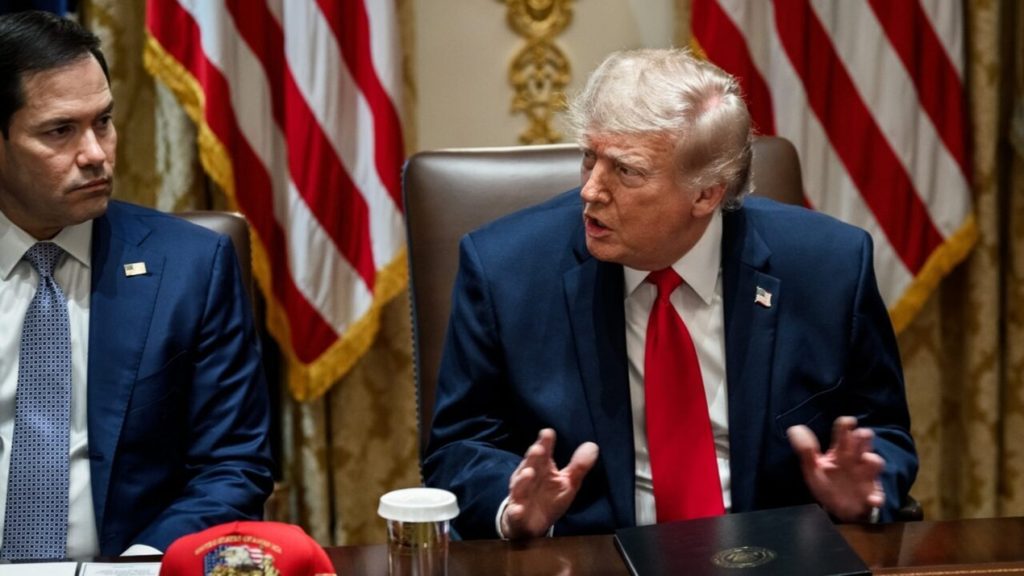
Federal investments in strategic private enterprises represent a pragmatic shift to protect critical US supply chains from predatory foreign competition. By taking direct equity stakes rather than offering simple grants, the government absorbs systemic risks in key industries like semiconductors, ensuring public capital actively safeguards national security against geopolitical leverage.
China Halts American Sanctions Pressure on Iranian Oil Trade
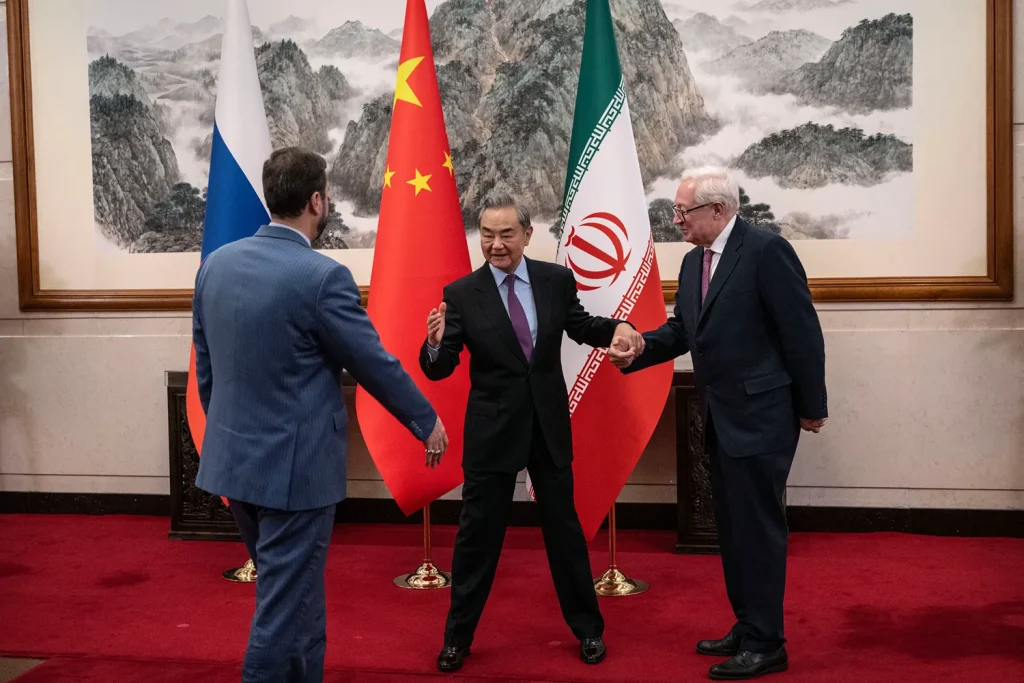
American financial sanctions against Iran face severe limitations as China continues to absorb Iranian crude through non-dollar payment systems and non-Western maritime routes. Fearing destabilization of global banking and retaliation through rare earth trade restrictions, Washington hesitates to target major Chinese institutions, highlighting the declining efficacy of unilateral economic coercion.
American Security Faces Unprecedented Drone and Missile Threats
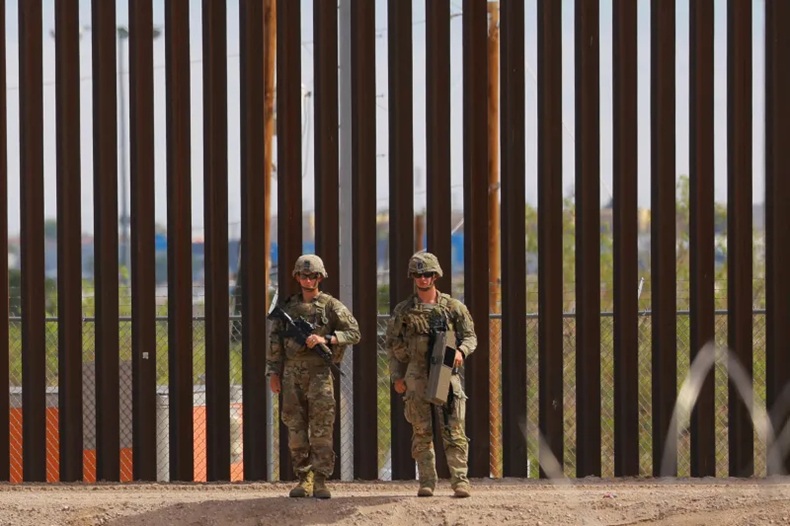
Vast oceans no longer guarantee American safety. As foreign adversaries deploy advanced hypersonic missiles, autonomous drone swarms, and AI-driven cyber threats, critical US infrastructure faces unprecedented danger. Depleted missile stockpiles and outdated regulations leave domestic targets vulnerable, demanding an immediate shift in national security planning and defense strategies.