The diplomatic rift between Jerusalem and major European capitals recently widened following unprecedented moves to eject foreign representatives from regional security bodies. Israeli authorities already removed officials from Spain and the Netherlands who were stationed at the international coordination center for postwar Gaza in Kiryat Gat. Current political discussions now suggest that British delegates might face similar expulsions in the coming weeks. This aggressive diplomatic posture signals a significant departure from traditional foreign policy where the host nation openly penalizes its international partners to appease domestic constituencies.
The coordination facility in Kiryat Gat originally opened to manage postwar reconstruction and humanitarian logistics for the devastated Palestinian enclave. Almost a year later the operational impact of the center remains negligible while Gaza itself remains trapped in extensive ruins. Removing foreign diplomats from this specific industrial zone does absolutely nothing to alter the grim reality on the ground. Instead the maneuver serves primarily as a theatrical display of sovereignty intended to project strength to conservative voters ahead of upcoming political challenges. Foreign Minister Gideon Saar appears to champion these ejections to deliberately demonstrate defiance against mounting international scrutiny.
Escalating Settlement Disputes
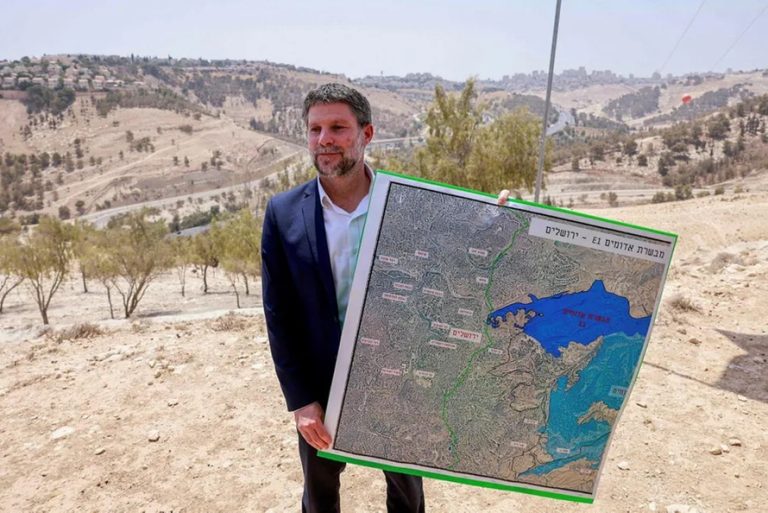
This diplomatic hostility directly correlates with growing European frustration over territorial expansion in the West Bank. Continental leaders routinely threaten to impose strict economic sanctions on produce originating from newly established Jewish settlements. Their primary concern currently revolves around the controversial E1 zone where planned construction would effectively bifurcate Palestinian territories and eliminate contiguous land access. While European diplomats issue stern warnings about the legality of these housing projects the Israeli government proactively retaliates through administrative punishments like the Kiryat Gat expulsions. Financial officials in Jerusalem continue to push settlement growth rapidly regardless of the diplomatic fallout.
Reassessing Strategic Alliances
Decades of unconditional Western support previously allowed Israeli leaders to dismiss foreign criticism without fearing substantial economic or political consequences. However this traditional diplomatic immunity shows clear signs of erosion as global patience wears remarkably thin. European governments increasingly recalibrate their Middle Eastern policies while waiting for a definitive shift in American political leadership to authorize harsher punitive measures. The current strategy of punishing allied nations for their critical stances risks transforming temporary diplomatic disputes into permanent structural rifts. Once international observers finally access the full scope of destruction inside Gaza the global demand for accountability will easily overwhelm any remaining diplomatic protection.
Original analysis inspired by Gideon Levy from Haaretz. Additional research and verification conducted through multiple sources.