
Why Strategic Hedging Defines Modern Statecraft
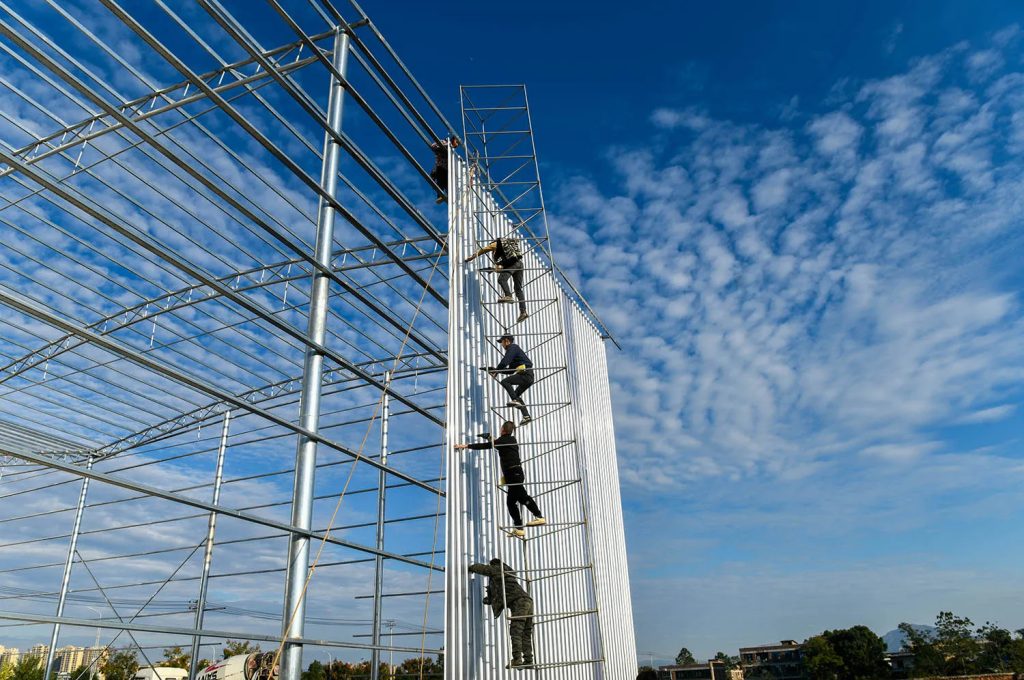
Driven by recent global upheavals, modern statecraft is increasingly defined by strategic hedging. Middle powers and established unions are diversifying their economic partnerships, defense suppliers, and resource chains to maximize autonomy. While this shift toward security over efficiency incurs economic costs, it provides essential insurance against an unpredictable international landscape.
Trump’s Iran Oil Threats Echo Decades of Plunder
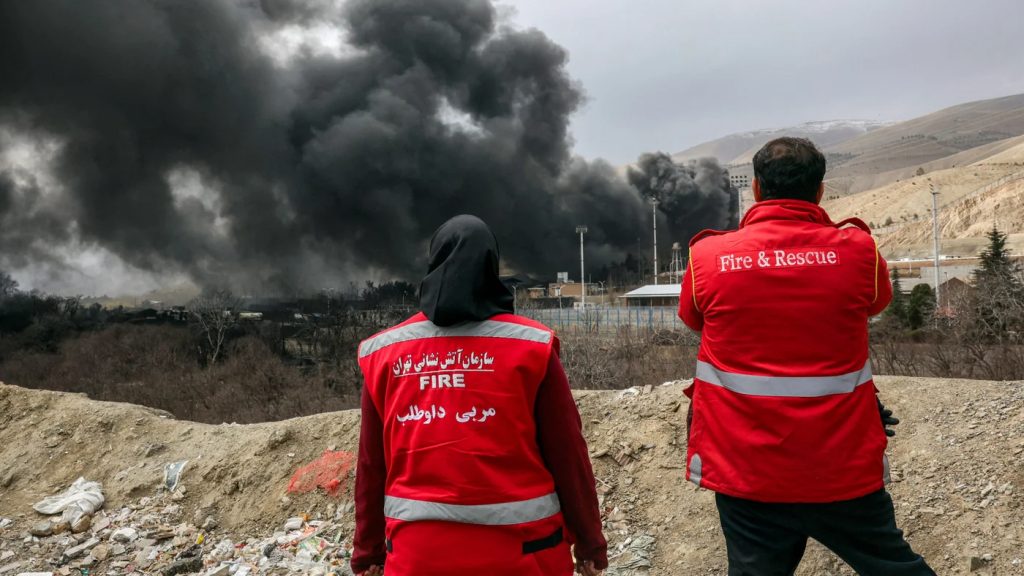
Recent military strikes on Iranian energy infrastructure, including the Shahran refinery, have escalated tensions. President Trump’s rhetoric regarding the seizure of Iran’s oil reserves highlights a long-standing history of resource-based interventions. This situation mirrors historical events like the 1953 coup, reflecting an ongoing global struggle for economic sovereignty and resource control.
Trump’s Failed Bet on Europe’s Far Right
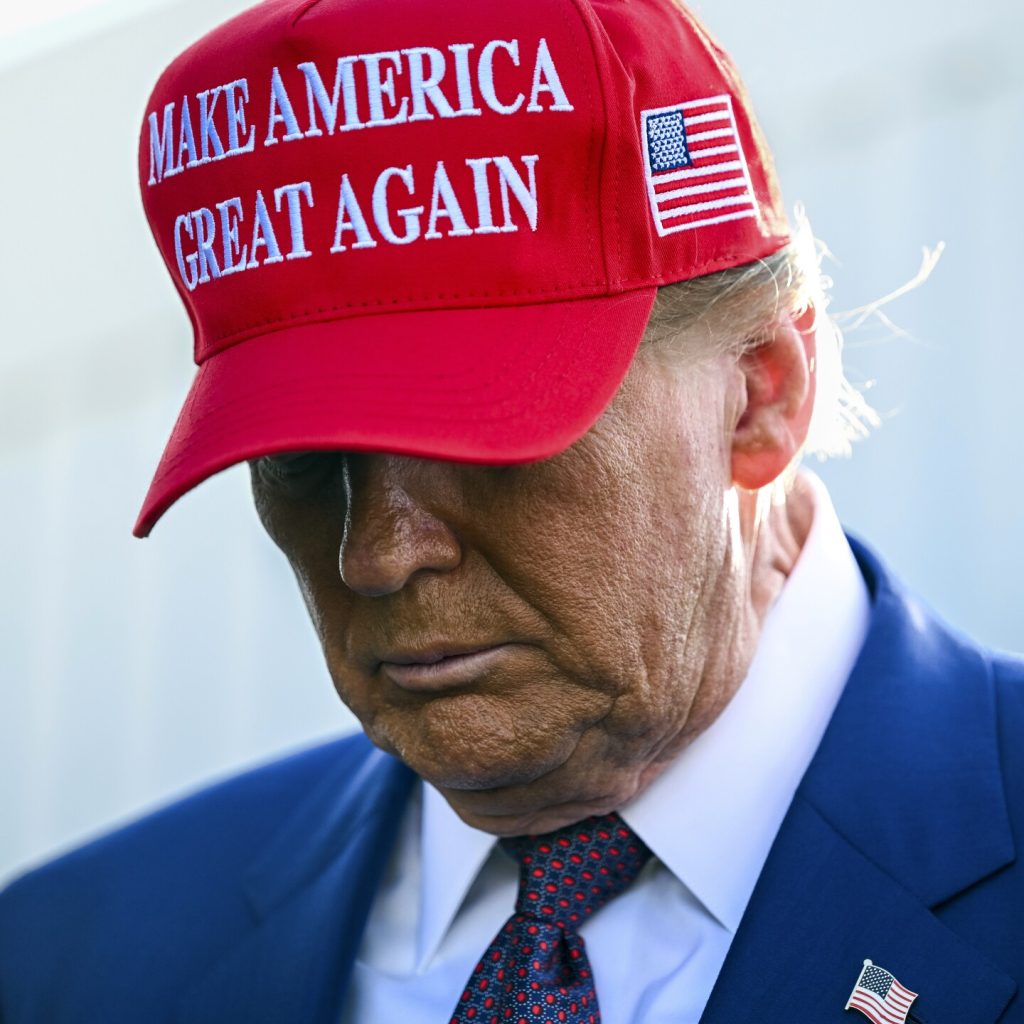
The recent electoral defeat of Viktor Orbán in Hungary highlights the limitations of the Trump administration’s efforts to cultivate far-right alliances in Europe. Despite high-level support, domestic economic woes and corruption concerns led voters to reject the MAGA-aligned leader, signaling a growing disconnect between Washington’s nationalist exports and European political realities.
India’s Strategic Risks in the Iran Conflict
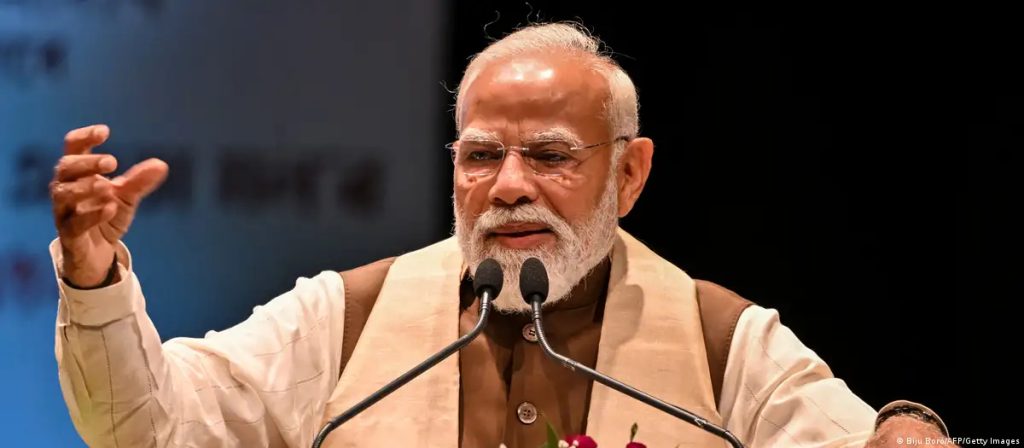
While India successfully maintained maritime access during the Iran conflict, the crisis has exposed deep strategic vulnerabilities. Beyond energy and remittance dependencies, New Delhi must navigate shifting regional alliances, the potential for ideological spillover into South Asia, and the long-term impact of a weakened Israel on India’s own defense procurement.
Hormuz Closure Threatens Global Energy Stability
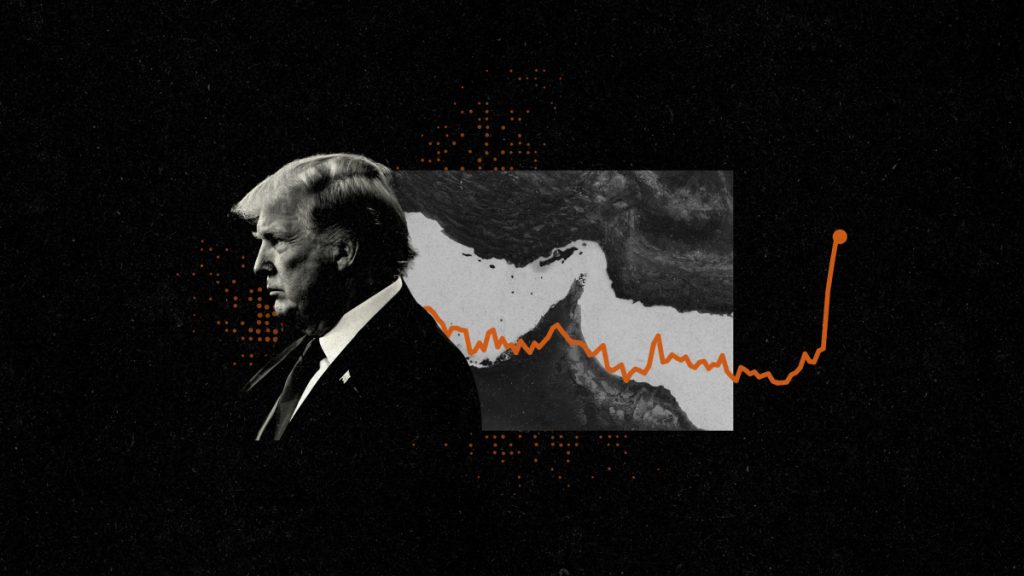
The effective closure of the Strait of Hormuz since March has disrupted one-fifth of global seaborne oil trade. With hundreds of tankers stranded and only limited transits occurring, the standoff is driving up global commodity prices and forcing nations to reassess their reliance on critical maritime chokepoints for energy and food security.