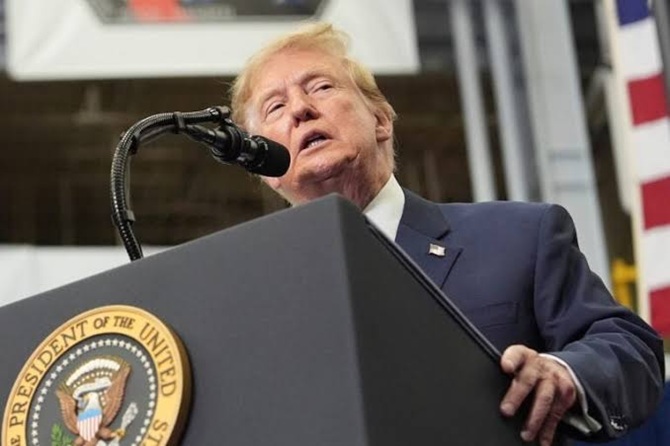
The approaching midterm elections present a crucial test for the current administration as public frustration with unilateral governance intensifies. Recent forecasts project a significant shift in congressional control that threatens to fracture the unified conservative majority. While legislative opposition prepares to scrutinize White House policies, the actual structural limits on presidential authority remain surprisingly fragile. Both parties now maneuver to leverage upcoming fiscal deadlines before the new legislative session begins.
Democratic leaders increasingly anticipate capturing the lower congressional chamber while the upper house contest remains too close to project. Securing either legislative body would immediately disrupt the synchronized governance that previously enabled sweeping policy transformations without meaningful oversight. However, capturing a simple majority does not automatically guarantee effective resistance against an assertive executive branch. Presidential vetoes easily defeat formal disapproval resolutions regarding controversial arms sales or military deployments unless opponents secure an insurmountable supermajority.
Financial legislation provides the only reliable mechanism for lawmakers to actually constrain unilateral executive action. The federal government must rapidly secure new borrowing authority to prevent a catastrophic default as current debt limits face premature exhaustion. Administration officials urgently push lawmakers to authorize a massive five trillion dollar debt ceiling expansion through rapid reconciliation procedures before January. This aggressive fiscal strategy intends to fund enhanced defense spending and agricultural subsidies while avoiding future negotiations with a hostile legislative majority.
Investigations Target Executive Authority
Intensified congressional oversight will inevitably follow any shift in legislative control. Opposition committees plan to aggressively investigate international business dealings and the strategic decision making surrounding recent military conflicts. The current administration actively prepares to block these subpoenas by radically expanding the legal definitions of executive privilege to cover private communications. When formal inquiries hit these administrative brick walls, frustrated investigators will likely target corporate partners and family members who lack the same institutional protections.
The most severe vulnerabilities facing the presidency stem from practical realities rather than political maneuvering. Depleted military stockpiles and exhausted civil service networks severely limit the capacity to effectively manage unexpected global crises. A sudden economic recession or natural disaster would immediately expose the inherent weaknesses of an intentionally disrupted bureaucratic system. Ultimately, institutional resilience continues to deteriorate regardless of which political faction claims victory at the ballot box.
By ThinkTanksMonitor Editorial