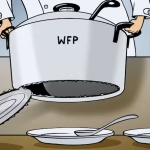
Working families experience profound economic anxiety as traditional milestones of prosperity vanish. The American dream feels increasingly out of reach for millions. Sustained financial pressure forces many citizens to fundamentally reconsider their lifelong political allegiances. When systemic fatigue deepens, movements promising sweeping structural changes rapidly gain unexpected momentum.
Historically, moderate political platforms provided sufficient answers for the American middle class. Recent demographic studies demonstrate that this core group steadily contracts as household purchasing power diminishes. Relentless inflation erodes the basic financial security that once defined domestic life. Voters express immense frustration when institutional leaders celebrate minor statistical victories while grocery bills remain painfully high.
This persistent economic strain naturally alters how citizens interact with their government. Widespread skepticism regarding federal leadership fundamentally damages public confidence in established administrative frameworks. A historic number of voters now completely reject traditional party affiliations to identify as political independents. When conventional solutions fail, the electorate begins searching for more aggressive alternatives.
A notable ideological shift currently unfolds across the political spectrum. Ideas once considered radically fringe now receive serious mainstream consideration. Surveys indicate that a significant portion of the electorate currently views socialist economic models with notable sympathy. Frustrated citizens willingly entertain proposals involving universal debt forgiveness, guaranteed housing and heavily restricted borders. These concepts succeed because they directly address immediate material anxieties.
Foreign Commitments Fuel Domestic Frustration
The contrast between international expenditures and domestic decay further accelerates this political realignment. Metropolitan professionals and rural laborers alike increasingly question massive global security budgets while local infrastructure crumbles. Watching national resources flow toward distant conflicts generates intense resentment. Taxpayers simply want to maintain their own standard of living. This shared frustration bridges historical divides and creates fertile ground for populist movements to flourish.
When establishment leaders dismiss these material concerns as mere populist complaining, they dangerously underestimate the situation. Rebuilding societal cohesion requires genuine economic reform rather than superficial political messaging. Without a concerted effort to restore purchasing power, voters will inevitably embrace whoever promises the most disruptive change. The future stability of the republic depends entirely on addressing the real economic pain felt by ordinary citizens.
Original analysis inspired by Taki from The American Conservative. Additional research and verification conducted through multiple sources.