
Martin Rowson on the downfall of Nvidia’s Jensen Huang – cartoon
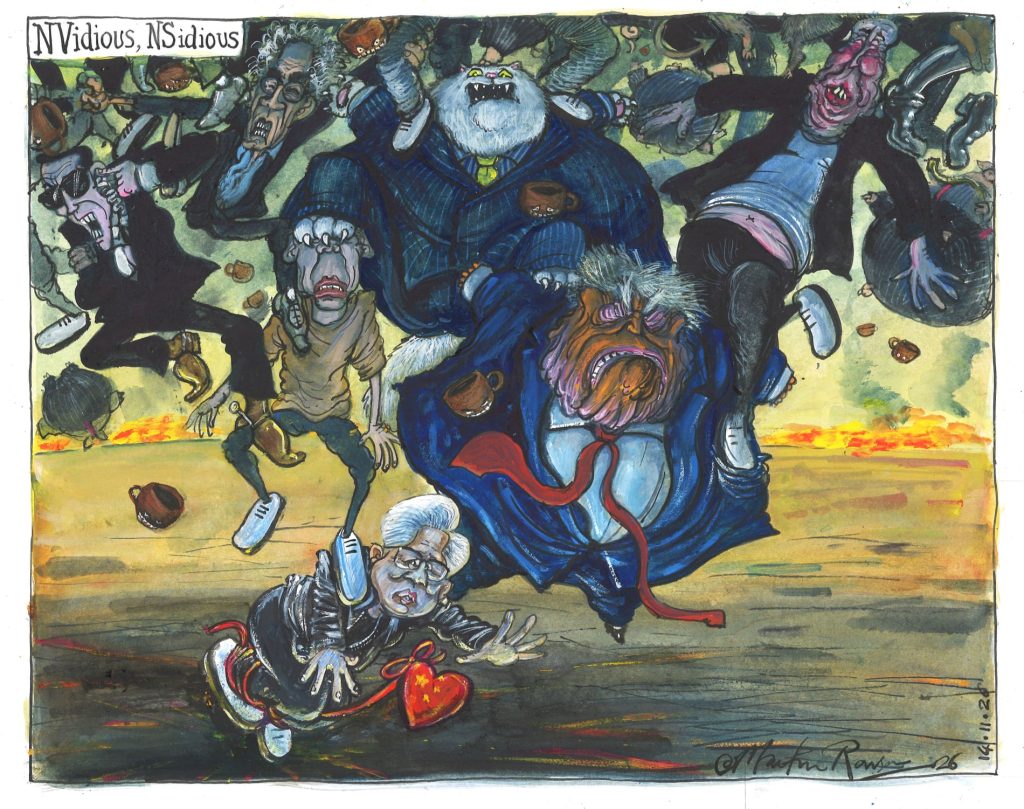
Analysis: Published in The Guardian, Martin Rowson’s editorial cartoon targets the intersection of personal scandal, corporate concentration, and great-power intelligence rivalry following Jensen Huang’s exit from Nvidia. (Note: the specific visual composition could not be directly inspected from the image-only page.) Strategically, the piece captures growing Western anxiety that concentrated “tech-bro” oligarchies controlling critical AI semiconductor infrastructure represent systemic national security liabilities when exposed to foreign intelligence operations and geopolitical competition with China.
Trita Parsi: Trump’s Swiss Cheese Iran Plan & U.S. Break with Israel?

Analysis: In this analytical interview with Glenn Diesen, Quincy Institute EVP Trita Parsi argues that Washington’s reluctance to absorb the political costs of either renewed war or a formal diplomatic deal with Tehran may push Trump toward a “Swiss cheese” strategy of gradually relaxing blockade and sanctions enforcement. He explains that a prolonged, unenforced standoff accelerates the collapse of the US-led Gulf security umbrella, prompting Saudi Arabia and regional states to hedge toward China and Russia. Parsi also notes that rising bipartisan opposition to AIPAC in the newly elected Congress signals a structural normalization of US-Israel ties.
US and China Need Dedicated AI Hotline to Prevent War
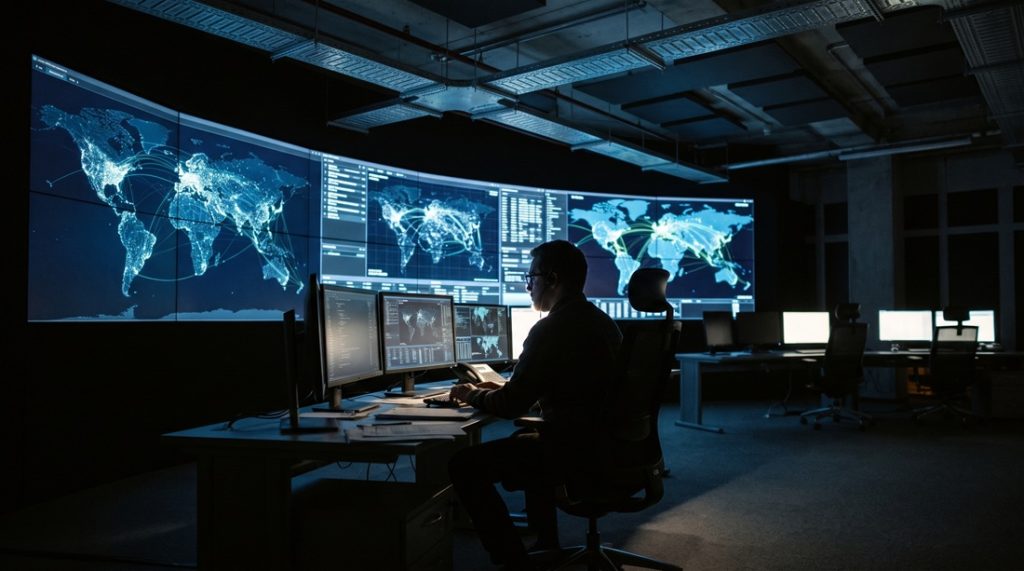
Rapid military AI integration is shrinking crisis decision windows between Washington and Beijing, heightening the risk of accidental war. Turning their September pledge into a permanent, operational AI incident hotline—bridging military commanders and technical experts—is now urgent to verify anomalies and keep human judgment firmly in command.
Rising Trade Barriers End Developing Nations’ Growth Model
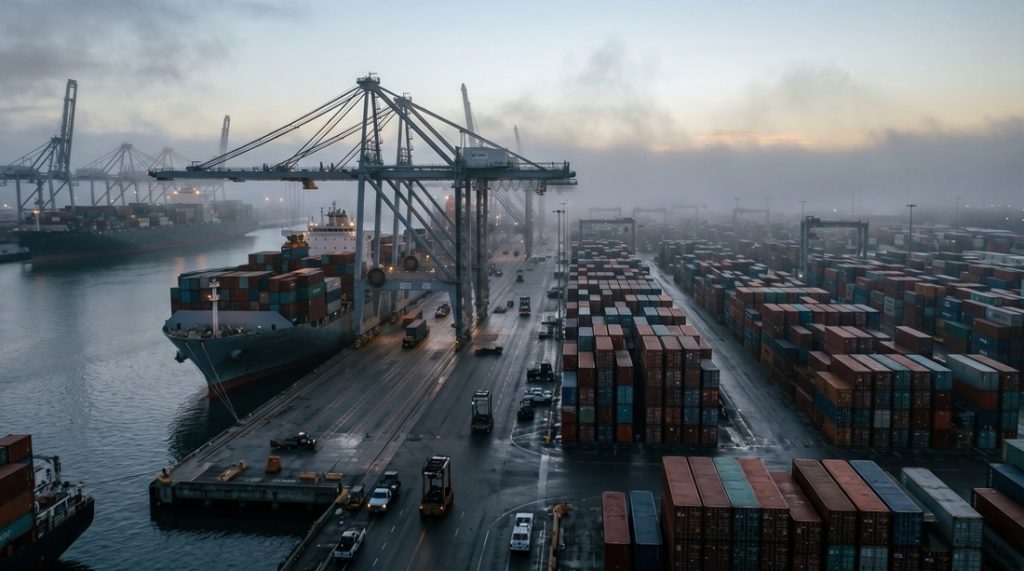
Automation, geopolitical tariffs, and strict carbon border taxes are dismantling the export-led growth model that developing nations long relied on to catch up with wealthy economies. As Western markets close off and industrial subsidy races leave poorer exporters behind, Beijing is stepping into the vacuum with infrastructure financing and affordable clean technology.
Russia Shifts Ukraine Talks Toward European Security Order
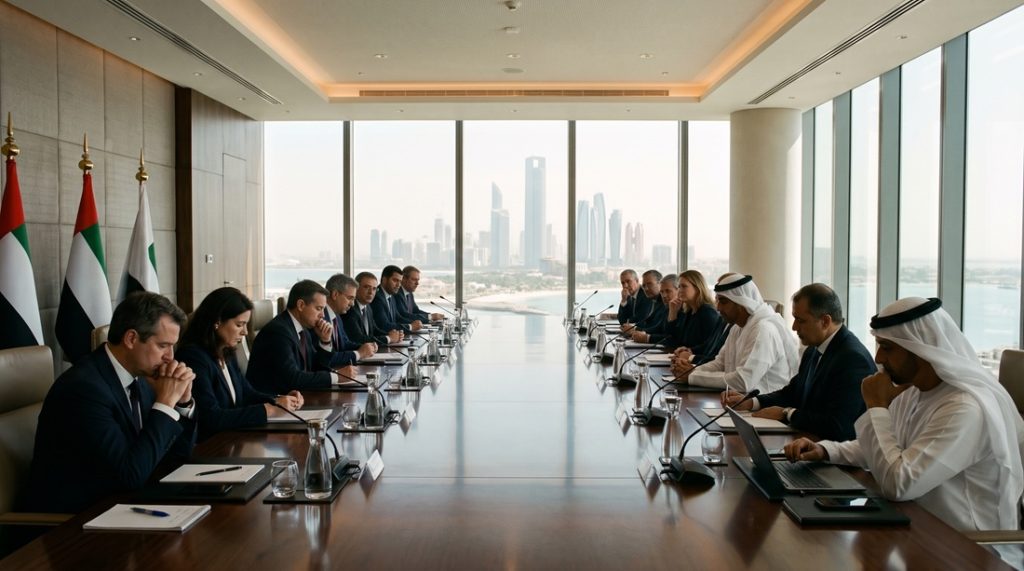
During US-mediated peace talks in Abu Dhabi, Russia steered negotiations away from an immediate Ukraine ceasefire toward broader bilateral talks with Washington over Europe’s security order. By sidelining European allies and refusing to soften its territorial demands, Moscow is exploiting Western divisions to reshape the continent’s security architecture on its own terms.
Turkey and Qatar Deepen Military Ties With Defense Pact
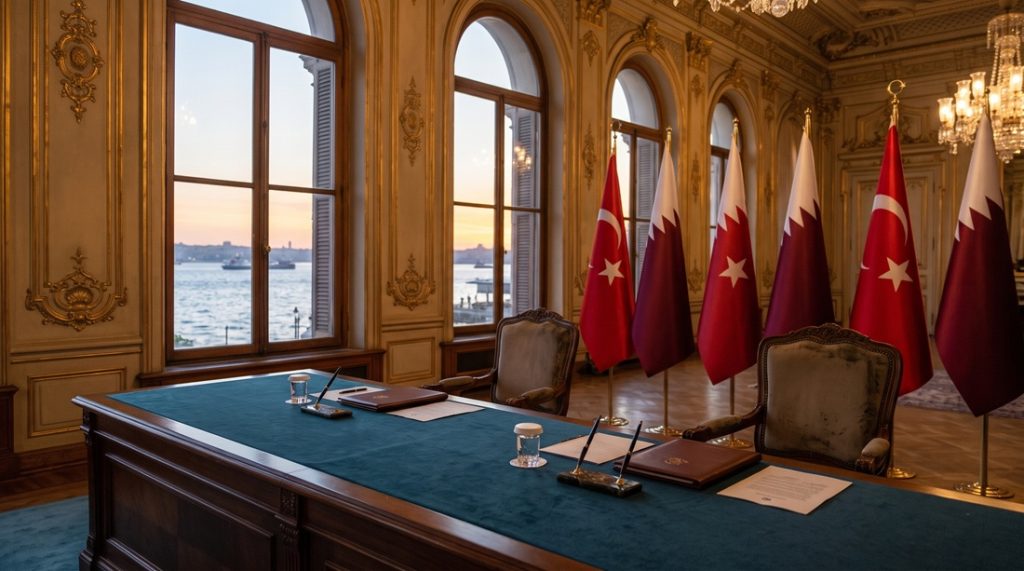
Turkey and Qatar have signed a new mutual defense pact in Istanbul to bolster regional deterrence amid rising Persian Gulf instability. While the agreement commits Ankara and Doha to a unified stance against external threats without relying solely on Western guarantees, its careful phrasing avoids automatic military triggers.
High Fuel Costs From Iran War Drove GOP Midterm Losses

Surging gasoline prices triggered by the U.S. conflict with Iran played a decisive role in Republican losses during the November 2026 midterm elections, handing Democrats major congressional gains. As Middle East hostilities translated into immediate household inflation, voter frustration at the pump—acknowledged by President Donald Trump himself—became a major liability for GOP incumbents.