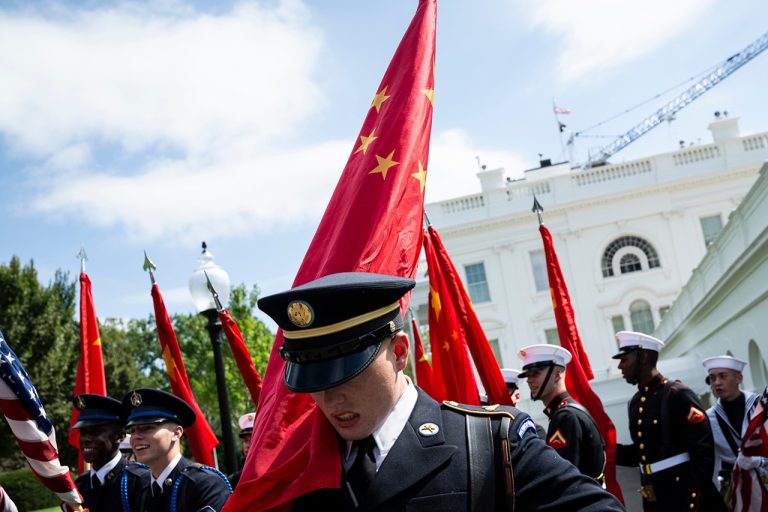
The upcoming state visit features massive ceremonial honors that highlight a shifting global power dynamic. However, the surface pageantry hides deep diplomatic asymmetries between two rival nations. American and Chinese leaders approach this diplomatic event with fundamentally different strategic timelines and intense domestic pressures. While visual optics suggest cooperation, underlying tensions reveal a relationship nearing a critical breaking point.
A fragile economic ceasefire faces imminent collapse. During previous negotiations, officials reduced punitive tariffs in exchange for stable critical mineral supplies. Currently, American trade representatives boldly blamed their foreign counterparts for deliberately restricting rare earth exports. Washington holds powerful retaliatory options in reserve. Legislators could suddenly increase taxes on imported goods or penalize global energy purchases. Meanwhile, previously celebrated agreements regarding agricultural shipments and commercial aircraft remain largely unfulfilled. Diplomats desperately need concrete commercial progress to prevent renewed economic hostilities.
The rapidly advancing technology sector creates intense bilateral friction. Negotiators actively explore establishing safety protocols for artificial intelligence development. Massive gaps exist between verbal promises and practical enforcement. American intelligence agencies suspect foreign competitors of aggressively acquiring advanced software models. Concurrently, export controls on critical semiconductors severely limit foreign technological deployment. Without functional crisis communication channels, these technological disputes could quickly escalate into broader commercial conflicts. Both governments struggle to balance national security with global innovation.
Beyond trade and technology, severe geopolitical disagreements threaten global stability. Tensions over territorial sovereignty persist as military exercises multiply in contested maritime regions. Additionally, international security concerns intersect directly with economic policy. Western officials continuously seek clarity regarding foreign satellite data allegedly utilized in recent Middle Eastern conflicts. While some political figures publicly dismiss these concerns, legislative bodies increasingly demand decisive action. Security matters heavily influence every proposed commercial compromise.
This diplomatic gathering will likely yield modest symbolic victories rather than broad solutions. Both administrations require domestic political wins ahead of upcoming national elections and internal party conferences. Consequently, they agreed to project stability while simultaneously preparing for future confrontations. True progress depends entirely on enforcing existing commitments rather than generating new promises. The ultimate trajectory of global affairs hinges on how these nations manage their inevitable differences over the coming months.
Original analysis inspired by Rush Doshi from Council on Foreign Relations. Additional research and verification conducted through multiple sources.