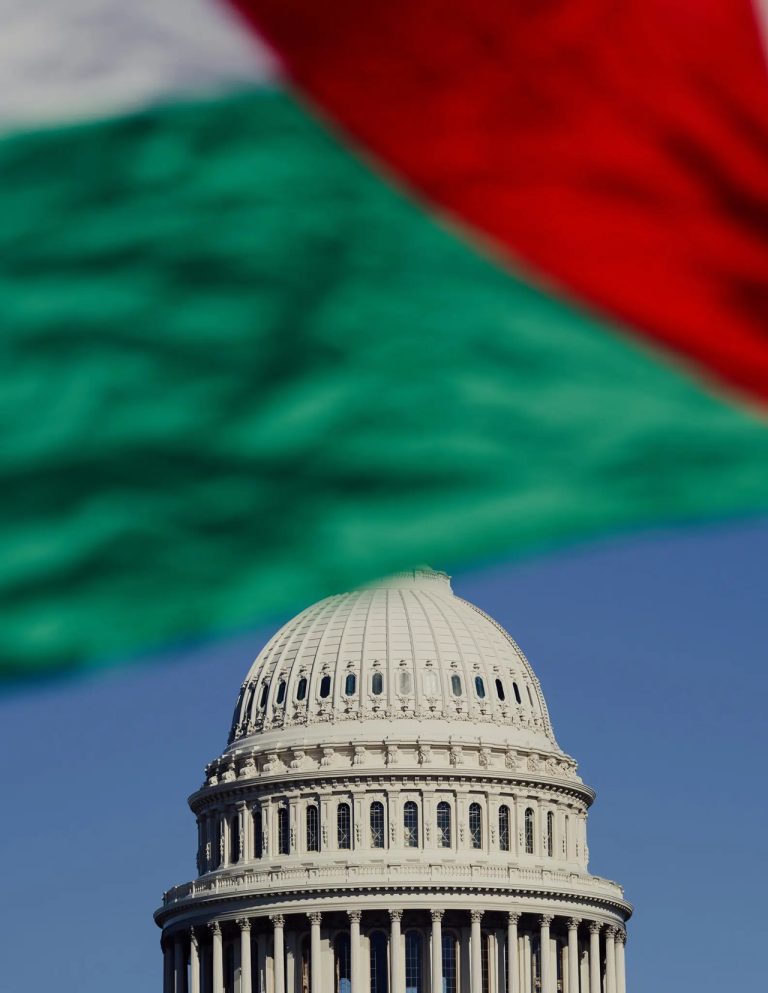
Washington political circles actively debate military funding provisions for the Middle East. Lawmakers increasingly question historical aid packages and security alliances. Yet this evolving discourse consistently overlooks a crucial element of regional stability. American policymakers rarely prioritize the establishment of legitimate democratic institutions within Palestinian territories.
The Autocracy Problem
Since the legislative contests two decades ago consecutive administrations have tolerated autocratic rule in the West Bank and Gaza. When Islamist factions secured a majority in those earlier elections international mediators rejected the outcome. This diplomatic resistance ultimately fractured the political landscape. Mahmoud Abbas subsequently consolidated executive power over the Palestinian Authority. Regional analysts continuously observe that this arrangement leaves citizens with unresponsive governance.
The international community frequently enables this democratic stagnation. When Abbas indefinitely postponed planned legislative voting several years ago the American diplomatic corps effectively distanced itself from the electoral collapse. Spokespersons framed the cancellation as a purely internal matter. This passive approach serves immediate security interests but undermines long term diplomatic viability. Without a genuine electoral mandate no leadership cohort possesses the authority to negotiate binding treaties.
Emerging Political Figures
Public sentiment heavily favors alternatives to the current establishment. Recent independent polling consistently reveals that imprisoned figures command significantly more popular support than incumbent officials. Marwan Barghouti currently registers as the most viable candidate across multiple demographics. He has remained incarcerated in Israeli prisons for over twenty years following convictions related to historical uprisings. Global parliamentary organizations have severely condemned the judicial proceedings that led to his imprisonment.
Establishing a sustainable diplomatic horizon requires fresh approaches to regional governance. Foreign capitals cannot simply dictate acceptable candidates or artificially construct a compliant authority. Genuine self determination means allowing populations to select their representatives through transparent ballot initiatives. Ensuring civil rights and electoral freedom remains the only realistic foundation for permanent stability.
Original analysis inspired by Peter Beinart from The New York Times. Additional research and verification conducted through multiple sources.