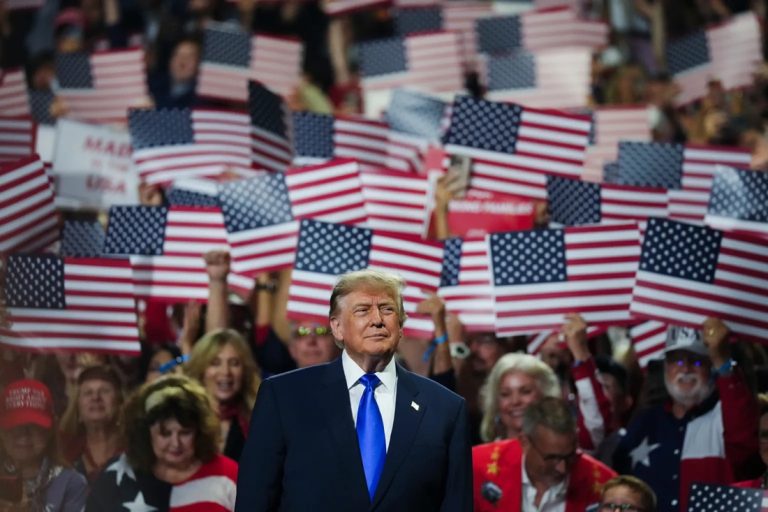
Before the dust settled on the November 2026 midterm elections, the race to define the future of the Republican Party ahead of 2028 had already turned into a circular firing squad. Voters delivered a sweeping rebuke across every level of government, stripping the party of at least seven Senate seats, more than forty House districts, six governorships, and nearly a dozen state legislative chambers. From agricultural communities in the Midwest to longtime conservative strongholds in Texas, Kansas, and South Carolina, the electorate rejected incumbent leadership in historic numbers. Rather than confronting the White House agenda that drove voters away, congressional Republicans have splintered into rival camps offering contradictory excuses for the collapse.
How Trade Tariffs and the Iran War Fractured the Base
For months leading up to the vote, economic data pointed toward an impending electoral disaster for the governing party. Sweeping import taxes and the prolonged military campaign against Tehran pushed fuel prices and household living expenses sharply higher throughout the year. According to Pentagon figures and Congressional Budget Office estimates, the Middle East conflict alone exceeded forty seven billion dollars in military spending while adding more than two percentage points to annualized inflation.
Those broken promises on affordability and foreign intervention alienated independent swing voters and depressed turnout among core populists who were already frustrated by the administration withholding the Jeffrey Epstein investigative files. Texas Senator Ted Cruz, now the lone Republican holding statewide office in his home state after the November wave, openly acknowledged that aggressive trade levies made everyday goods unaffordable while the war in the Persian Gulf dragged on far too long. Similarly, Tennessee Representative Tim Burchett admitted that the party failed to address kitchen table costs and government corruption, though neither lawmaker directly faulted President Donald Trump by name for initiating those crises.
Why Capitol Hill Lawmakers Refuse to Break With the White House
While a handful of legislators pointed to economic pain, many prominent conservatives retreated into familiar cultural grievances to explain their defeat. Outgoing New York Representative Elise Stefanik framed the wipeout as a temporary organizational reset, claiming that congressional candidates simply struggled to replicate the unique populist coalition built by the president. In reality, pre election polling showed that intense intraparty fractures and plunging approval ratings were actively hollowing out Republican enthusiasm well before November.
Other lawmakers avoided policy introspection altogether. Wisconsin Representative Glenn Grothman praised the current Cabinet and suggested the losses stemmed merely from the president using impolite language in public. His home state colleague, Senator Ron Johnson, went even further by blaming the landslide on left wing infiltration of universities and media outlets alongside youth enthusiasm for socialism. Even Cruz quickly pivoted away from his economic critique to warn that radical opponents in the incoming Congress would unleash endless subpoenas and impeachment hearings against the executive branch.
That collective reluctance to hold the Oval Office accountable highlights the central dilemma facing conservatives over the next two years. Market analysts have noted that the midterm results represented a direct voter repudiation of executive trade policies and overseas military entanglements. Relegated to the minority in both chambers of Congress and stripped of key statehouses ahead of the 2028 presidential primary, Republican leaders remain trapped between an unpopular administration they fear criticizing and an electorate demanding immediate economic relief.
Original analysis inspired by Emily Singer from Daily Kos. Additional research and verification conducted through multiple sources.