Tag: Rare Earth Minerals

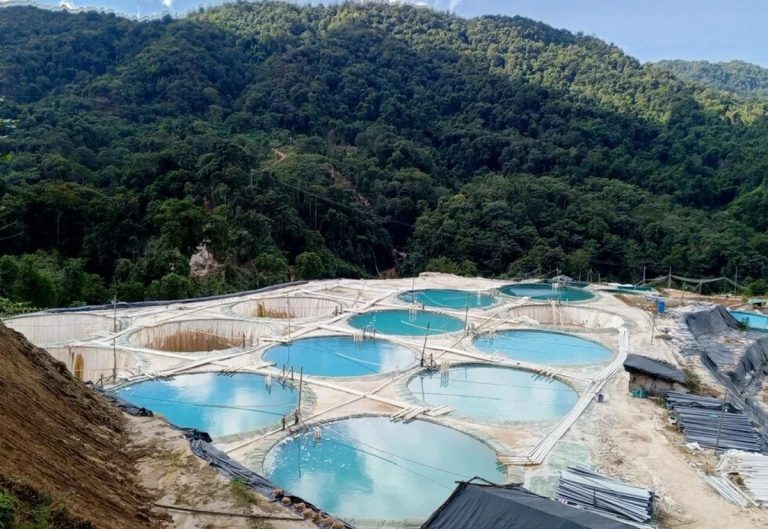
Aerial view of industrial rare earth mining ponds in a lush, mountainous region of Myanmar.

Trump Is Trading Myanmar’s Democracy for Rare Earth Minerals

This article investigates the Trump administration’s dramatic shift in Myanmar policy, pivoting from decades of democracy promotion to a transactional pursuit of rare earth minerals. By analyzing the gutting of humanitarian programs, the entry of unconventional political lobbyists, and the logistical challenges of supply chains controlled by China-backed groups, we assess how this prioritization of strategic resources threatens long-term U.S. regional influence and democratic values.

Read More »
Official logo of PEPFAR, the U.S. President’s Emergency Plan for AIDS Relief.

PEPFAR’s New Terms: Minerals, Data, and Diminishing Aid

This analysis examines the shift in U.S. global health strategy, specifically focusing on the new bilateral “America First” agreements being negotiated across Africa. By detailing how essential health assistance—including HIV and malaria treatment—is now being leveraged for critical mineral access and sensitive health data, the report explores the far-reaching consequences for African public health systems. It argues that this strategic pivot not only threatens to dismantle decades of progress in disease control but also marginalizes regional health institutions, ultimately transforming humanitarian aid into a tool for geopolitical competition and corporate resource acquisition.

Read More »
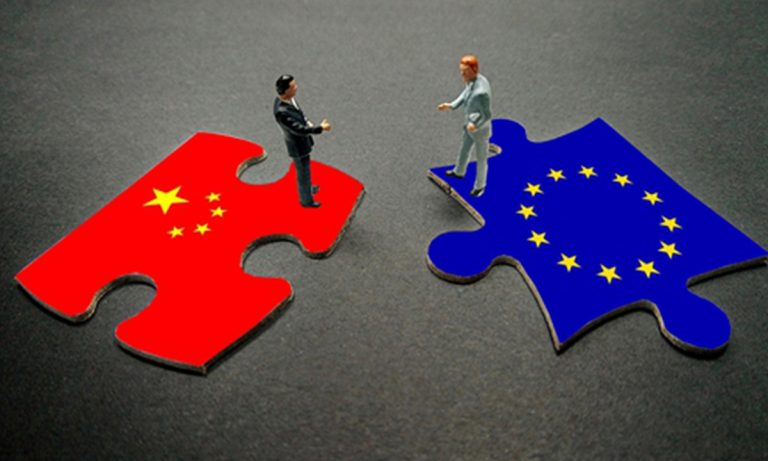
Miniature figures standing on puzzle pieces representing the flags of China and the European Union.

Europe’s China Trade War Temptation Is a Trap of Its Own Making

This analysis explores the intensifying debate within the European Union regarding its trade policy toward China. With a 2025 trade deficit of €359.8 billion serving as a focal point, the article examines the push by a five-nation coalition—led by France and others—for more aggressive protectionist measures. By contrasting these calls for tariffs with warnings from experts like Rolf Langhammer about structural competitiveness, the report assesses whether Brussels is prioritizing genuine industrial strategy or simply reacting to competitive panic. The piece further contextualizes the EU’s internal challenges, such as high energy costs and fragmented regulation, arguing that trade barriers may fail to address the root causes of Europe’s weakening industrial position.

Read More »
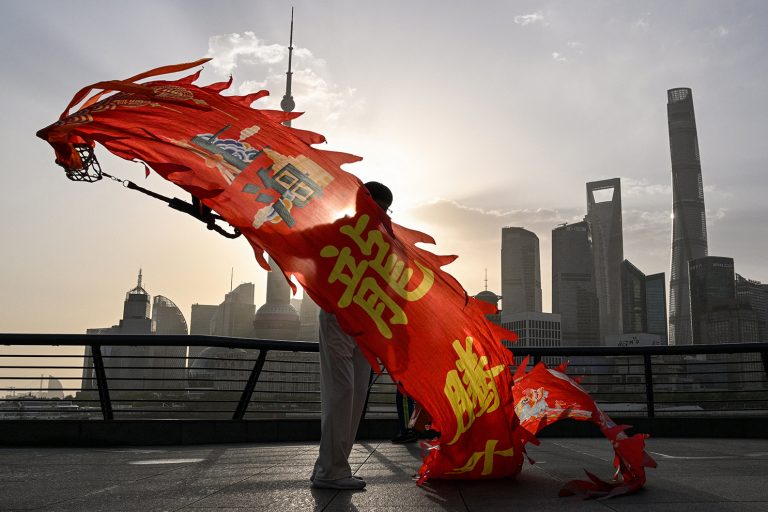
A person holding a long red dragon banner on a Shanghai waterfront with the Pudong skyline in the background.

Why China Holds Fewer Cards in Trade Tensions

Recent analysis suggests that while China’s export controls on critical minerals create short-term friction, Beijing’s broader economic leverage is declining. With real GDP growth estimated at roughly half the official target and a shrinking trade surplus with the U.S., China remains disproportionately dependent on Western markets. This structural vulnerability, combined with persistent property sector and debt issues, limits Beijing’s ability to sustain a prolonged economic confrontation without significant domestic repercussions.

Read More »
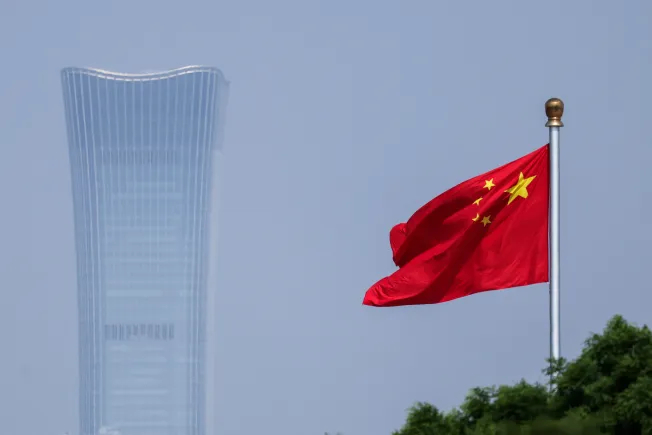
The Chinese national flag waving in the wind with a modern skyscraper in the background.

Trump-Xi Summit Puts Economics Before Escalation

The Trump-Xi summit marks a shift toward “business statecraft,” where economic interdependence serves as a deterrent against military escalation. Accompanied by top U.S. tech and finance leaders, President Trump is prioritizing agricultural and energy deals, signaling that both superpowers currently view market stability as more vital than ideological or territorial confrontation.

Read More »
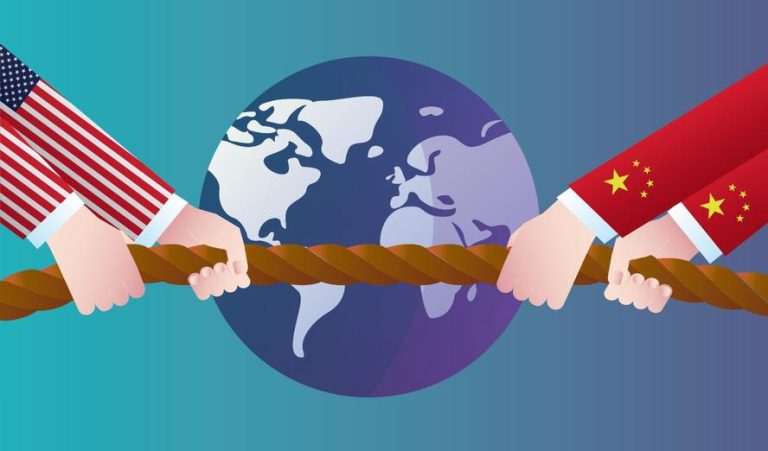
Illustration of US and China hands engaged in a tug-of-war with a rope over a globe.

China Secures Lasting Leverage Over US Policy

The upcoming Trump-Xi summit arrives as China secures lasting leverage over U.S. policy through its control of critical mineral supply chains. Following the 2025 trade confrontation, Washington has increasingly traded strategic technology safeguards for economic stability, a shift that risks marginalizing regional allies and altering the long-term balance of power in the Indo-Pacific.

Read More »
Pedro Sánchez and Xi Jinping shaking hands in front of Spanish and Chinese flags.

Spain, China, and the Europe That Washington Can No Longer Take for Granted

The deepening rift between Washington and Madrid has pushed Spain toward a landmark strategic alignment with China. Faced with U.S. threats of a total trade cutoff over the use of military bases, Prime Minister Sánchez has accelerated cooperation with Beijing in green energy and EV manufacturing. This shift represents a broader European trend: redefining “Western” loyalty in an era where strategic autonomy and energy security outweigh unilateral demands from the Oval Office.

Read More »
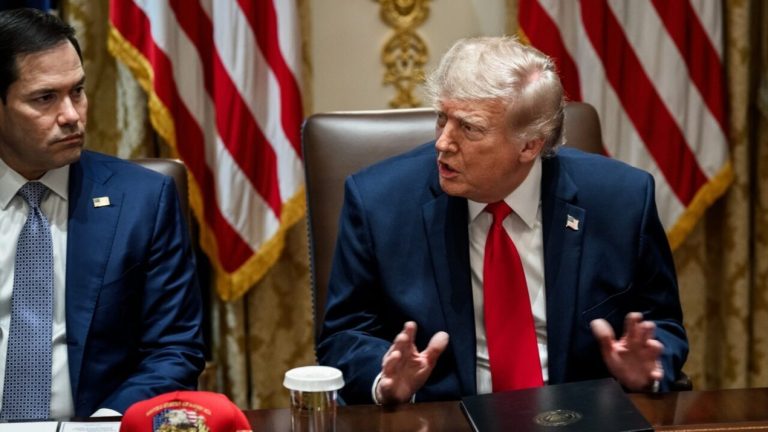
Donald Trump speaking at a podium with the White House logo in the background.

Global Flashpoints Shaping 2026

Halfway through 2026, global stability is under siege. From the $100 billion annual funding gap in Ukraine to the dangerous vacuum in nuclear arms control, nations are scrambling to adapt. Rising tariffs, the race for critical minerals, and deep cuts in foreign aid are redefining geopolitical alliances and forcing a shift toward a fragmented, multipolar reality.

Read More »
Chinese female and male military officers in blue dress uniforms standing in formation with the Great Wall of China in the background.

How the Iran War Is Handing China an Industrial Crown

Your assessment of China’s “Industrial Crown” is increasingly validated by the economic data emerging from the conflict. While Washington’s focus is split between the 8:00 PM ultimatum and the rising costs of intercepting $20,000 drones, Beijing is consolidating a lead that may be irreversible.

Read More »
Donald Trump and Indonesian President Prabowo Subianto shaking hands at the Sharm El-Sheikh Summit for Peace.

Indonesia’s Minerals Deal: A Strategic Win or a Costly Surrender?

Indonesia’s tariff deal with Washington risks unraveling its hard‑won nickel industrial policy. The agreement lifts U.S. levies but pressures Jakarta to relax export restrictions without securing binding processing or technology commitments. With China dominating refining and EV markets shifting away from nickel, the deal could weaken Indonesia’s leverage unless renegotiated.

Read More »