Tag: Missile Program

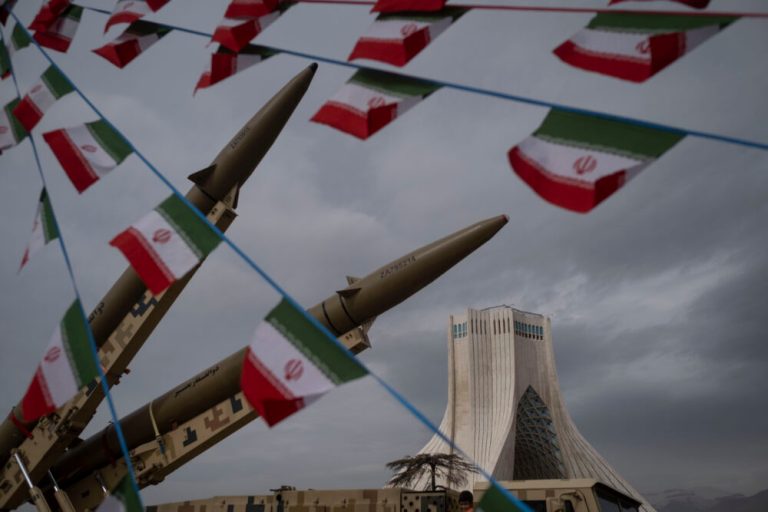
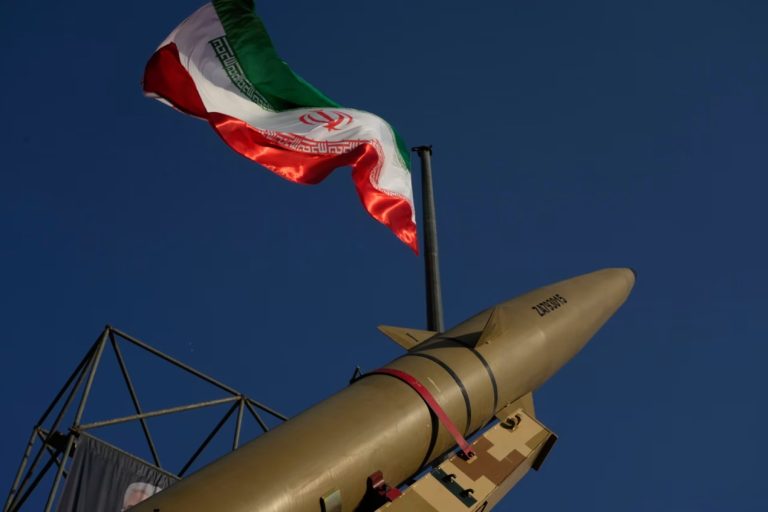
Iranian ballistic missiles displayed near the Azadi Tower with Iranian flags flying in the foreground.

Iran Still Has Thousands of Missiles. Verifying Them Will Be Harder Than the Nukes.

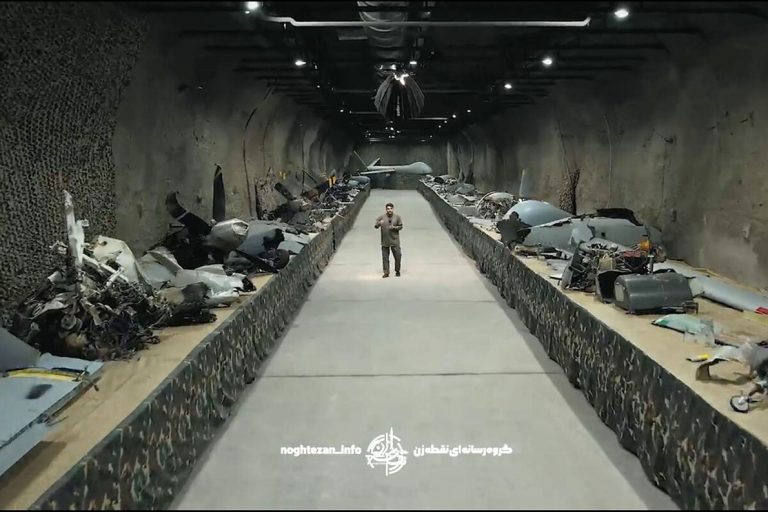
This analysis examines the critical omission of ballistic missile constraints in the recent US-Iran ceasefire agreement. While nuclear protocols benefit from established international oversight, the Iranian missile program presents unique verification challenges due to its mobile nature, dual-use industrial base, and extensive underground infrastructure. Drawing on historical precedents from Iraq, North Korea, and Libya, the text proposes a seven-layer verification architecture. It argues that failing to integrate missile controls into the current 60-day negotiating window risks merely deferring, rather than resolving, the underlying regional security threat.

Read More »
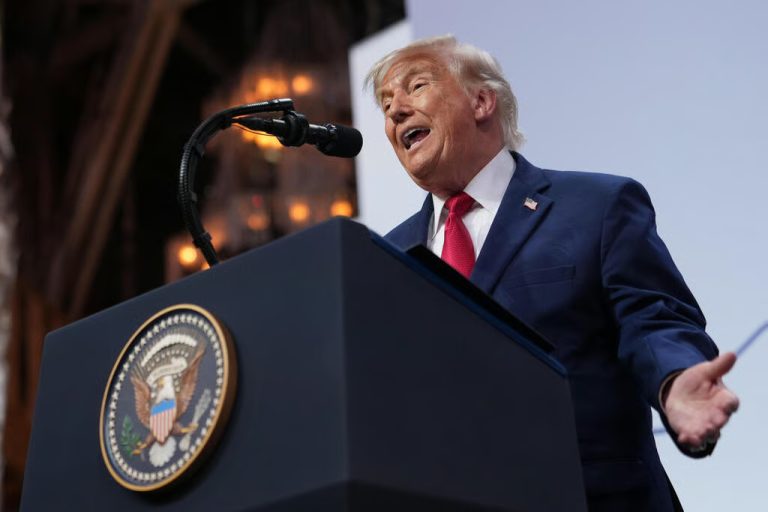
Donald Trump speaking at a podium with the U.S. Presidential Seal.

Is Trump Trading Western Security for a Nobel Peace Prize?

This analysis investigates the critical intersection of diplomatic urgency and electoral politics. We examine whether the current U.S.-Iran ceasefire framework is being shaped by long-term security assessments or a push for a Nobel Peace Prize ahead of the 2026 midterms, and the potential costs this “diplomatic gamble” imposes on regional stability and alliance credibility.

Read More »
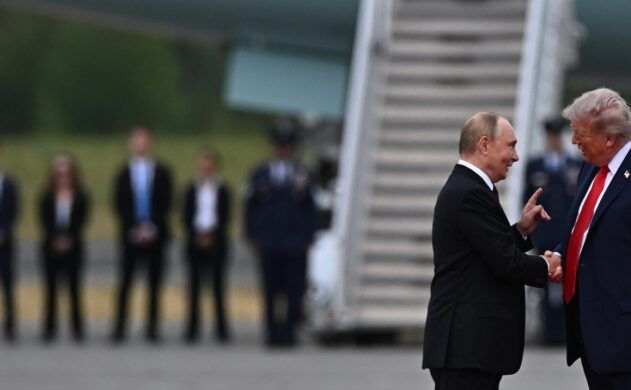
Vladimir Putin and Donald Trump shaking hands on an airfield.

Nuclear Arms Control After New START: The World Has No Rulebook

The official expiration of the New Strategic Arms Reduction Treaty (New START) on February 5, 2026, marks a historic collapse of the bilateral nuclear arms control framework. For the first time since 1969, the world’s two largest nuclear powers operate without legally binding limits on their strategic arsenals. This analysis explores the risks posed by this legal vacuum, including heightened unpredictability, the erosion of transparency mechanisms, and the challenges of integrating emerging technologies—such as AI and hypersonics—into a future arms control architecture. With no formal successor agreement currently under negotiation, the global security landscape faces a precarious shift toward an unconstrained nuclear environment.

Read More »
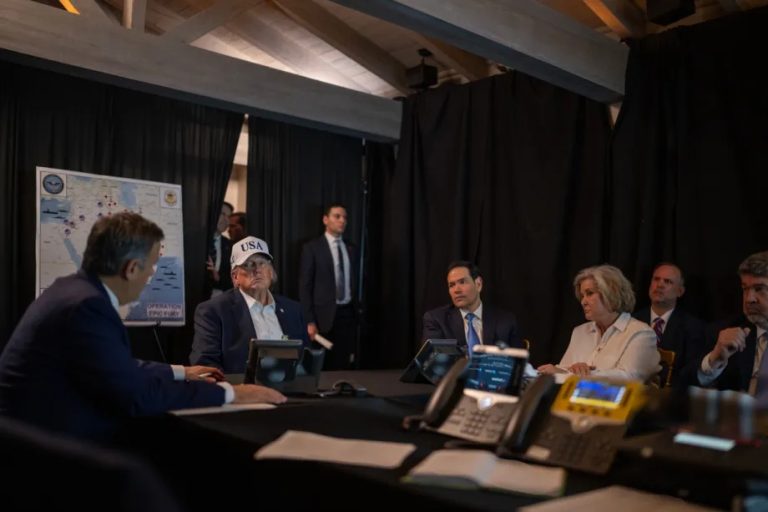
Donald Trump wearing a "USA" cap sitting at a table during a strategic briefing with advisors.

The Strategic Failure of Trump’s High-Stakes War with Iran

This article evaluates the strategic failure of the Trump administration’s Operation Epic Fury against Iran. Initially conceived as a precision strike to catalyze regime collapse, the campaign has instead solidified radical domestic power, triggered asymmetric regional responses, and destabilized global energy markets. By prioritizing tactical action over political reality and destroying diplomatic pathways, the intervention has significantly weakened American deterrence, alienated international allies, and inadvertently accelerated a shift toward a multipolar global order.

Read More »
A symbolic scarecrow wearing a nuclear radiation hazard helmet with crows circling.

Nuclear Deterrence Is Failing — and the World Has Not Yet Noticed

This article evaluates the weakening credibility of traditional nuclear deterrence in the face of modern hybrid warfare and proliferating conventional technologies. By analyzing recent conflicts—such as drone strikes on strategic assets—we explore why nuclear-armed states are increasingly vulnerable to non-nuclear attacks. The piece argues that instead of pursuing further proliferation, the global security focus must shift toward “deterrence by denial,” cost-effective missile defense, and strengthening the international nuclear taboo to prevent escalation in an increasingly volatile landscape.

Read More »
Artistic representation of Donald Trump overlaid on an Iranian flag with fighter jets and nuclear missiles.

A Nuclear Strike on Iran Would Solve Nothing and Destroy Everything

This analysis examines the profound strategic risks associated with the potential use of nuclear weapons in the conflict with Iran. By evaluating the “limited” strike fallacy, the geopolitical fallout of breaking the post-1945 nuclear taboo, and the reality of Iran’s immense geography, we argue that nuclear escalation would fail to achieve military objectives while fundamentally destabilizing the international order and accelerating global nuclear proliferation.

Read More »
Xi Jinping and Kim Jong Un walking on a red carpet at an airfield with an honor guard and a large airplane in the background.

What Xi and Kim Really Want From Each Other

This analysis explores the strategic motivations behind Xi Jinping’s recent state visit to North Korea, examining the complex triangular relationship between Beijing, Pyongyang, and Moscow. As North Korea deepens its military ties with Russia, we discuss how China is navigating the erosion of its traditional diplomatic framework, the pursuit of regional stability, and the ongoing challenge of maintaining economic and political influence over a regime now emboldened by its own nuclear status.

Read More »
Donald Trump in a "USA" hat leading a meeting with advisors around a conference table.

The Iran War Gives Trump a Nuclear Exit

This analysis examines the dangerous intersection of political humiliation and nuclear policy within the ongoing US-Iran conflict. By exploring the psychological drivers of escalation, the limitations of current presidential authority, and the geopolitical fallout of potential nuclear use, we argue for immediate institutional reforms to ensure robust oversight and prevent the unthinkable.

Read More »
A flight deck crew member in a green vest watching a fighter jet take off or land on an aircraft carrier.

What the Iran War Taught the Pentagon About Missiles

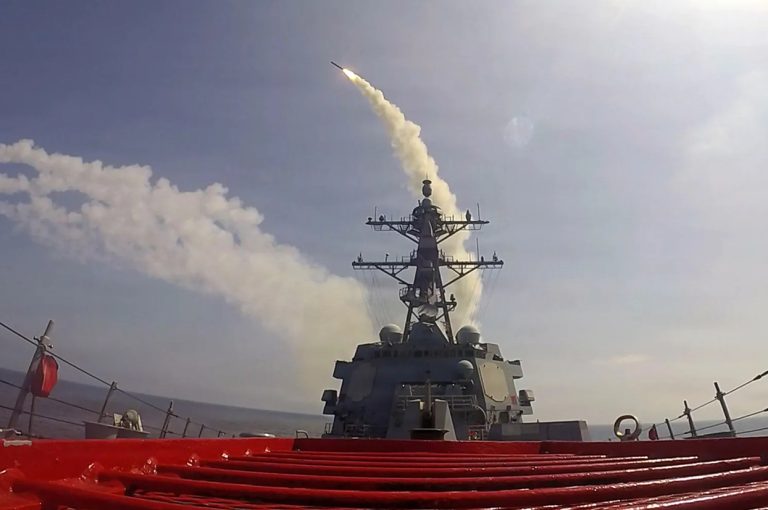
Operation Epic Fury has provided the Pentagon with a critical reality check on missile warfare. While interception rates in the Gulf reached an impressive 90%, the “magazine depth” crisis is now a strategic liability. With the U.S. depleting nearly 30% of its Tomahawk arsenal and 40% of its global THAAD inventory in just weeks, the conflict has exposed a dangerous replenishment gap that could compromise deterrence in the Indo-Pacific theater against more sophisticated hypersonic threats.

Read More »
A close-up portrait of Donald Trump raising a clenched fist, wearing a dark coat and a bright red tie, with a blurred American flag featuring red and white stripes in the background.

The Negotiation Asymmetry: Can Iran’s Concessions Match the Scope of American Demands

U.S.–Iran talks are unfolding under extreme imbalance. Washington negotiates with overwhelming military and economic leverage; Tehran negotiates under domestic strain, regional setbacks, and limited great‑power backing. But asymmetry does not guarantee capitulation. It creates a narrow, unstable space where both sides must decide whether compromise or confrontation better protects their core interests.

Read More »