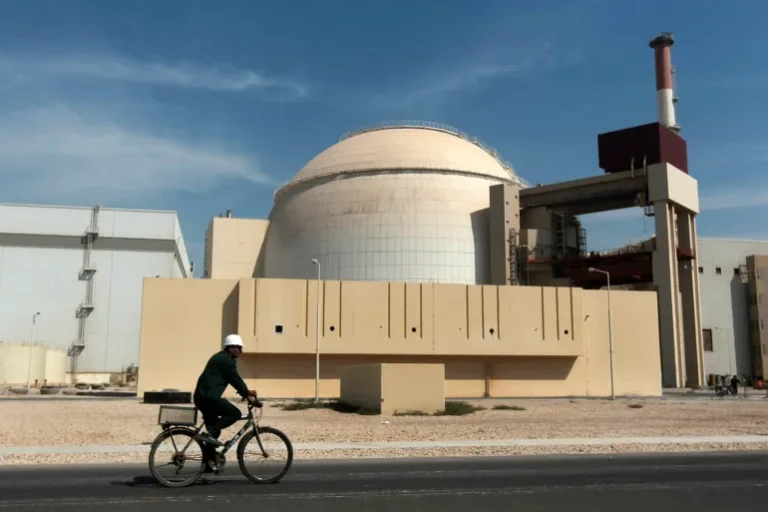
Iran says it remains a party to the Nuclear Nonproliferation Treaty, even as the international inspectors charged with verifying its program have limited access. Iranian officials have confirmed recent inspections at the Bushehr power plant, where the International Atomic Energy Agency can still work. A broader agreement would have to address the stockpile and facilities the agency has been unable to verify since US and Israeli strikes. Bushehr shows that inspectors can still operate in Iran under some conditions, giving negotiators a place to start.
The treaty recognizes the right of its parties to develop nuclear energy for peaceful purposes and requires states without nuclear weapons to accept safeguards. Those safeguards give inspectors a way to check whether material stays in peaceful use. Tehran says the attacks changed the conditions under which it can admit inspectors to damaged facilities. The European Council on Foreign Relations examines how the resulting gaps in access and information limit assessments of what remains at sensitive sites.
The dispute over enriched uranium gives the two sides a concrete problem to negotiate. On November 11, Iranian security chief Mohsen Rezaei reiterated that Tehran would keep the material inside the country. An Iranian official previously told Reuters that Tehran had sent a proposal through Qatar and attached conditions to discussing it. Diluting the stockpile under international supervision inside Iran, an option Tehran has floated, would give inspectors a specific operation to verify while respecting Iran’s position on custody.
Any such arrangement would need an initial inventory, safeguards for inspectors working at damaged facilities and enough follow up access to verify the results. These practical terms would also determine what a negotiated enrichment limit could achieve. The next indication of progress will come from where inspectors can go, what they can measure and whether they can return to check it again.
Original analysis inspired by Maziar Motamedi from Al Jazeera. Additional research and verification conducted through multiple sources.