Tag: IAEA

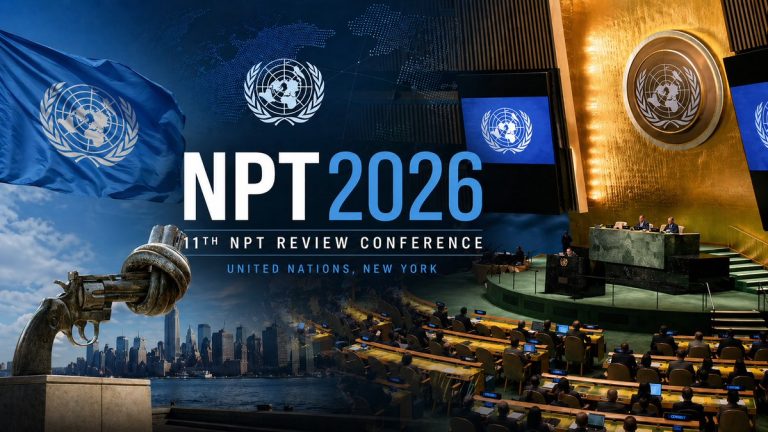
Graphic for the 11th NPT Review Conference in 2026 featuring the UN General Assembly and a knotted gun statue.

NPT Credibility Tested by Iran Strikes

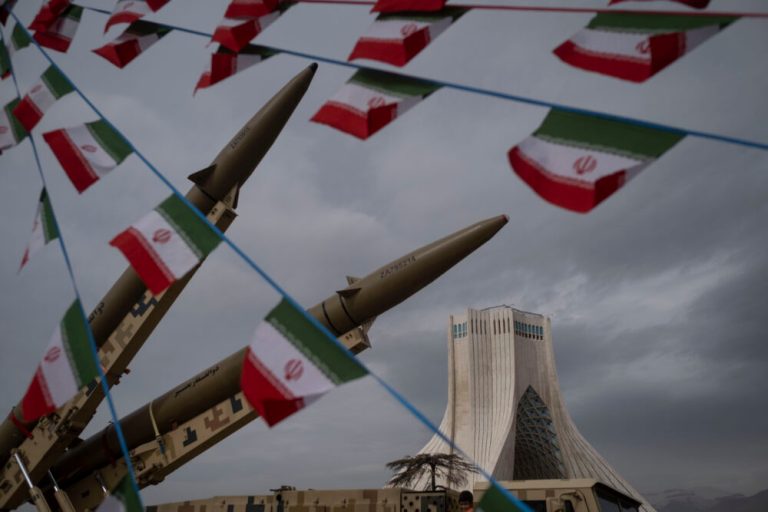
The 2026 NPT Review Conference in Geneva has been overshadowed by the failure of military strikes to permanently degrade Iran’s missile and nuclear capabilities. Backed by strategic support from Beijing and Moscow, Tehran’s rapid reconstitution of its infrastructure highlights the growing limitations of kinetic operations and the urgent need for multilateral treaty reform.

Read More »

Strikes on Iran Expose Cracks in NPT Framework

The 2026 NPT Review Conference has become a battlefield over the legitimacy of military strikes on overseen nuclear facilities. With Iran highlighting the failure of Article IV protections and the lack of negative security assurances, delegates warn that the non-proliferation regime faces a credibility crisis that could lead to irreversible withdrawals if foundational compromises aren’t restored.

Read More »
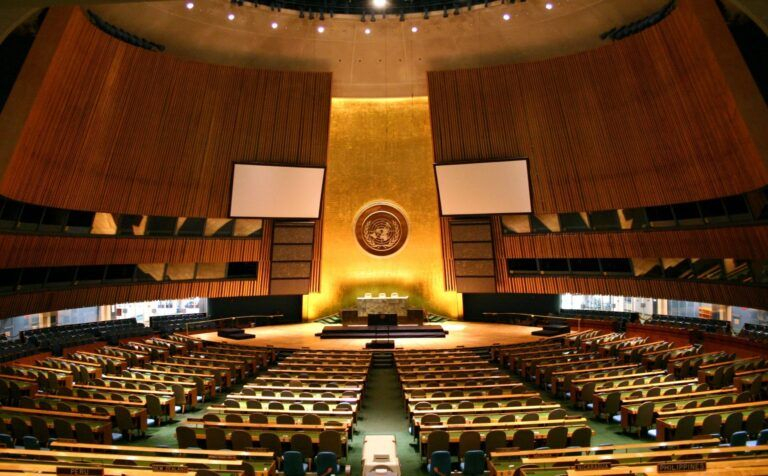
Wide-angle view of the empty United Nations General Assembly hall in New York with the UN emblem on the golden front wall.

The NPT’s Last Chance: Can New York Save Nuclear Diplomacy?

As the 2026 NPT Review Conference opens in New York, the global non-proliferation regime faces its most existential threat since the Cold War. Against a backdrop of active strikes on nuclear sites and the total collapse of U.S.-Russia arms control, diplomats must navigate a perfect storm of regional warfare and systemic mistrust. With Article VI commitments stalled and China’s arsenal surging to 600 warheads, the next four weeks will determine if the NPT remains a pillar of security or becomes a relic of a bypassed era.

Read More »
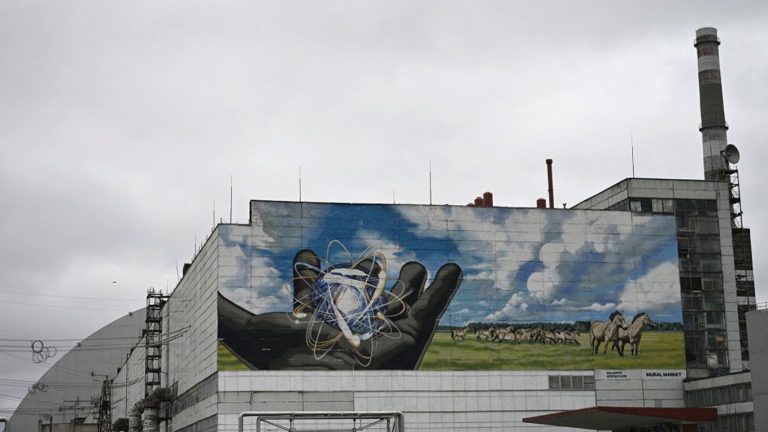
A large mural on the side of a Chernobyl Power Plant building depicting a hand holding an atom, with wild horses running in a green field.

Chernobyl at 40: The Unthinkable Has Become Routine

Forty years after the world’s worst nuclear disaster, the anniversary of Chernobyl is being marked by active bombardment and a deepening global safety crisis. With the New Safe Confinement damaged by drone strikes and Iran’s Bushehr facility reportedly hit multiple times, the routine targeting of nuclear infrastructure has exposed a fatal gap in international governance. This report examines the “double standards” of nuclear protection and the paralysis of the IAEA in an age where radioactive sites have become geopolitical pawns.

Read More »
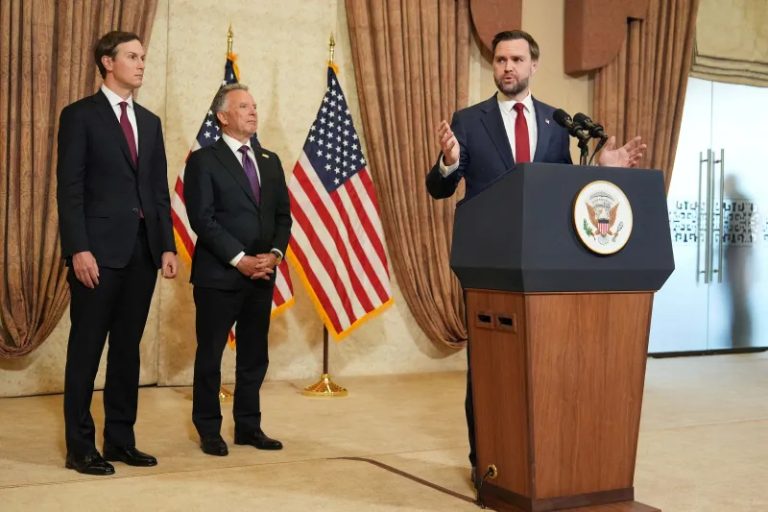
JD Vance speaking at a podium with the US Seal during a formal briefing.

The US–Iran Peace Puzzle: Why Islamabad Didn’t Deliver

The collapse of the Islamabad talks has exposed the deep-seated mistrust and “maximalist” positions hindering a US-Iran peace deal. While a fragile ceasefire holds until April 22, the 15-year gap in nuclear enrichment proposals and the ongoing naval blockade of the Strait of Hormuz suggest that both nations are still far from a sustainable regional settlement.

Read More »
Split image of Shehbaz Sharif looking distressed and Donald Trump standing before a backdrop of naval warfare.

Pakistan Brokered the Iran Ceasefire and the Islamabad Talks Just Collapsed

The high-stakes Islamabad talks have ended without a breakthrough, leaving the fragile US-Iran ceasefire in structural limbo. Led by Vice President JD Vance and Iranian Speaker Ghalibaf, the 21-hour session marked the first direct diplomatic engagement between the two nations in over a decade. While Pakistan successfully facilitated a “Hormuz Passage” trial for supertankers, the insurmountable divide over nuclear commitments and sanctions relief highlights the immense challenge of turning a temporary pause into a lasting settlement.

Read More »
A double exposure image overlaying the Iranian flag with the White House at night.

The 1991 Trap: Why Washington Must Learn From Iraq to Survive Iran

The US-Iran ceasefire faces a historical “1991 trap,” echoing the aftermath of Operation Desert Storm where military victory failed to produce political closure. As negotiations begin in Islamabad, the fundamental gap between Iran’s 10-point plan and Washington’s “red lines” on enrichment threatens a decade of simmering conflict unless both sides move beyond containment toward genuine, conditional normalization.

Read More »
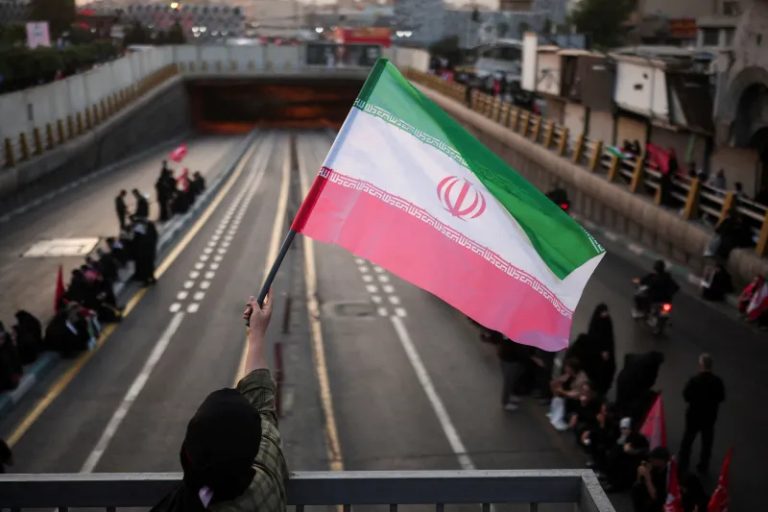
A large Iranian flag waving in an urban square with a man holding the flagpole.

Six Reasons the Iran Ceasefire Could Collapse Before It Holds

The Pakistan-brokered ceasefire is already fracturing as Israel’s “Operation Eternal Darkness” hits 100+ targets in Lebanon. Beyond the immediate violence, six fundamental “fault lines”—including clashing victory narratives, unresolved nuclear enrichment, and Iran’s intact proxy networks—suggest that the Islamabad talks may struggle to turn this 14-day pause into a lasting peace.

Read More »
Close-up portrait of Donald Trump wearing a white "USA" hat with an American flag on the side.

America Lit the Fire and Now 40 Nations Are Cleaning Up

The geopolitical fallout of the Iran war has entered a phase of “fractured leadership.” While the United States remains the primary military aggressor, it has become a secondary actor in the diplomatic and maritime cleanup, leaving a coalition of 40 nations to navigate the chaos left in the wake of Operation Epic Fury.

Read More »
A large crowd of people in Iran waving Iranian flags and chanting during a demonstration.

Iran’s Peace Blueprint: Bold Enough to Work, or Too Late?

The publication of Mohammad Javad Zarif’s peace blueprint in Foreign Affairs on April 3, 2026, represents the most significant diplomatic opening since the start of Operation Epic Fury. While Zarif currently holds no official government title, his role as a key ally to reformist President Masoud Pezeshkian suggests this is a “cleared” trial balloon from Tehran’s remaining diplomatic corps.

Read More »
A person holding a Tehran Times newspaper featuring a headline about Iran-US talks and an image of a missile.

Bombing the Negotiating Table: How Washington Killed Its Own Diplomacy

The initiation of Operation Epic Fury on February 28, 2026, did more than just dismantle military targets—it effectively dismantled the very concept of U.S.-led nuclear diplomacy. By striking while a major breakthrough was being announced by Omani mediators, Washington has signaled that even total compliance may not be enough to avert a military “solution.”

Read More »
A hand-drawn sign on a chain-link fence with a heart and an atom symbol, reading "Fordo is our heart," near a military facility.

The Nuclear Double Standard Fueling the Iran War

The strike near Dimona on March 22, 2026, has crystallized a long-standing debate over the “nuclear double standard” in the Middle East. While Washington justifies Operation Epic Fury as a necessary measure to prevent Iranian nuclear proliferation, critics point to the immunity granted to Israel’s unacknowledged arsenal as evidence of a fundamentally asymmetric global order.

Read More »