
Shadi’s take on talks between Ukraine, Russia and the US in Abu Dhabi
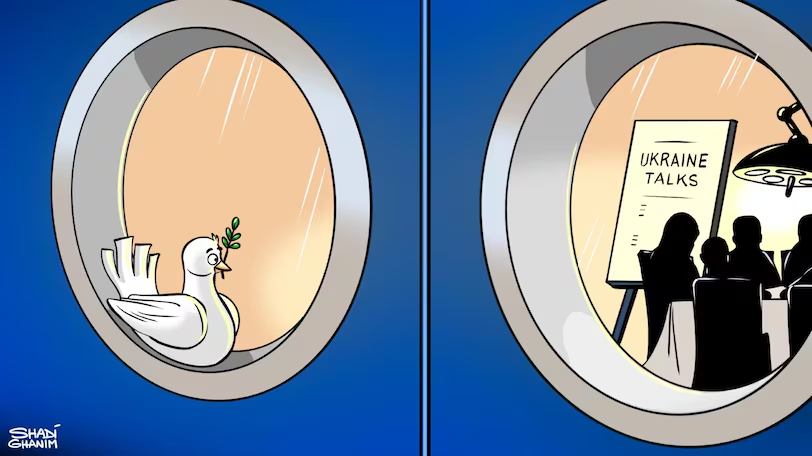
Analysis: Note: A direct visual description of the artwork is unavailable because the source page hosts the standalone image without text captions and live browser viewing was not permitted. Strategically, the cartoon highlights the Gulf’s emerging role as a neutral diplomatic broker hosting the first U.S.-Russia-Ukraine security talks since February, amid Moscow’s territorial demands and Kyiv’s refusal to cede land. Its publication in a leading UAE outlet underscores how Middle Eastern powers are positioning themselves as indispensable mediators in a fragmenting international system.
Israel’s Elections and the Future of the Middle East
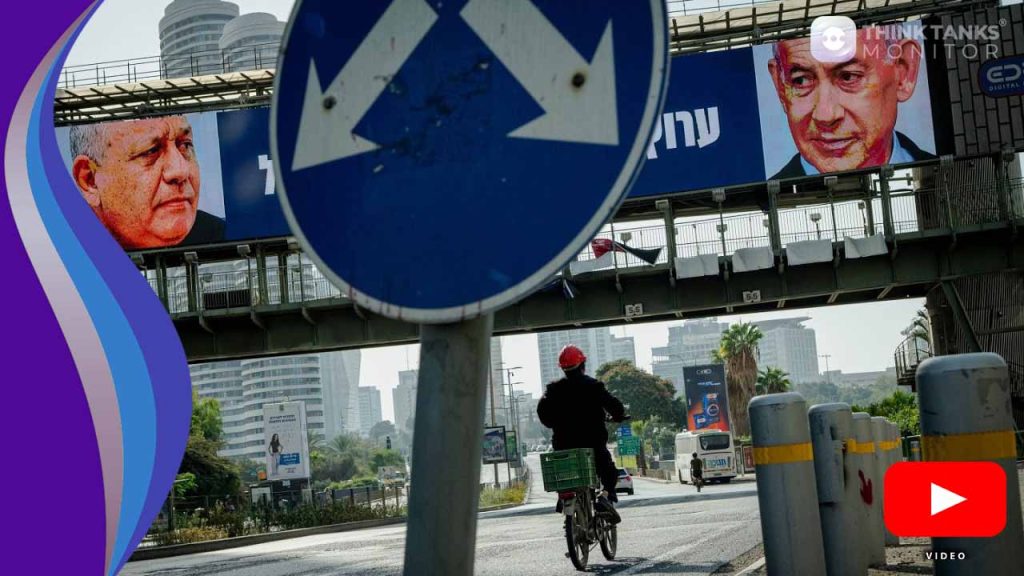
Analysis: Moderated by Mona Yacoubian with Amb. Michael Ratney, Dr. Paul Salem, and Celine Touboul, this webcast examines how Israel’s post-October 7 security doctrine and domestic political upheaval are viewed across the Levant and Gulf. The panel assesses whether a new Israeli governing coalition will alter the trajectory of conflicts in Gaza, the West Bank, Lebanon, Syria, and Iran, or entrench existing escalatory dynamics. Understanding these internal Israeli fault lines is critical for anticipating shifts in the regional security order and Washington’s Middle East posture.
Are New U.S.-Russia-Ukraine Peace Talks Doomed to Fail Again?

Analysis: This episode evaluates whether the Trump administration’s latest diplomatic push—following coercive measures against Kyiv such as disabling Starlink satellites and concessions to Moscow including a diesel deal—can produce an aerial ceasefire or lasting settlement. The discussion probes whether Vladimir Putin is genuinely seeking an off-ramp or merely using the Abu Dhabi negotiations to buy time for continued military pressure on Ukraine. It matters strategically because introducing broader European security architecture into the talks could reshape NATO-Russia deterrence and redefine Washington’s role in a multipolar order.
What Could Move the US and Iran Toward a Truce
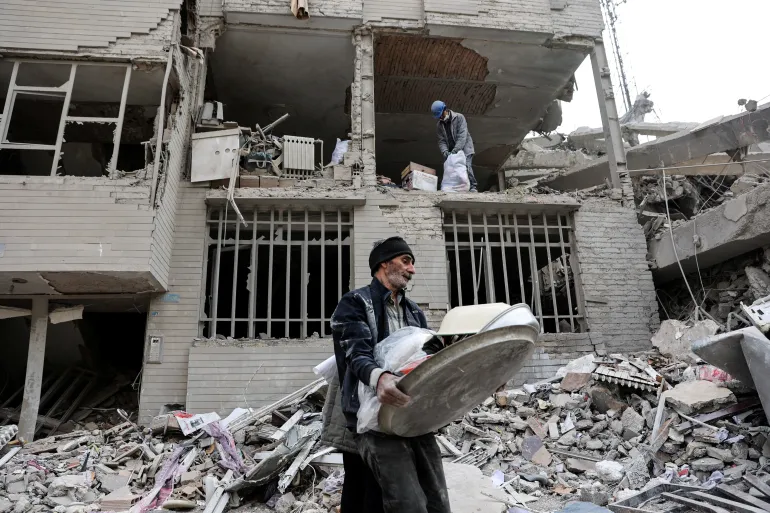
As Qatari mediators work between Washington and Tehran, bridging the gap to a truce hinges on sequencing mutual concessions, from maritime security in the Strait of Hormuz to halting strikes, supported by measurable steps and domestic political pressure.
Iran’s Nuclear Treaty Commitment Leaves Room for a Deal
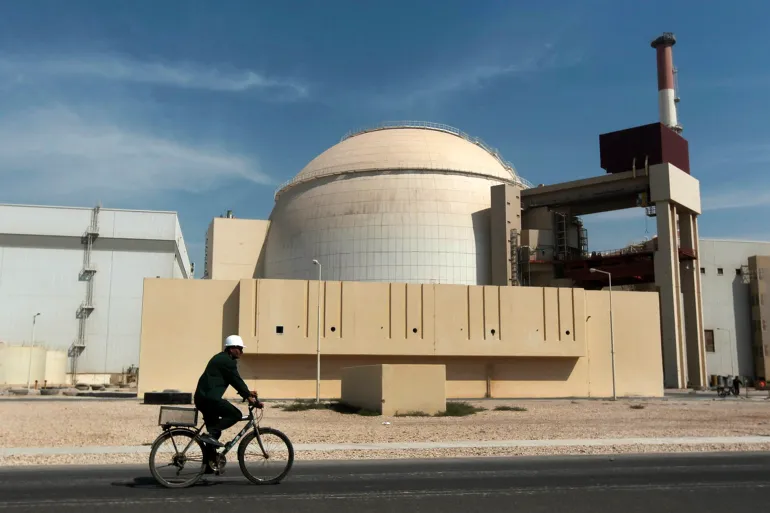
Iran’s ongoing adherence to the Nuclear Nonproliferation Treaty keeps a diplomatic opening alive despite severe inspection limits. With proposals to dilute enriched uranium domestically under international oversight, negotiators have a narrow, practical starting point to rebuild verification.