The first heavy rains of November flooded displacement camps across Gaza, where roughly 1.4 million people were living in tents or makeshift shelters, according to a United Nations estimate. By November 8, aid partners had received appeals from more than 26,000 households reporting damaged shelter or belongings. Every damaged tent can leave a family looking for somewhere dry to sleep. After weeks or months in the same camp, a single storm can also destroy supplies a family has spent months gathering.
A shelter delivery solves only part of the problem. A tent pitched on saturated ground can flood again, especially where rubble obstructs runoff or families have little room to move. The United Nations reported that aid workers had been preparing drainage and flood controls before the winter storms and that gunfire damaged tents at a site in Rafah. Reuters also reported that four people died when a sand embankment collapsed onto tents, illustrating how a camp’s location can turn heavy rain into a lethal event.
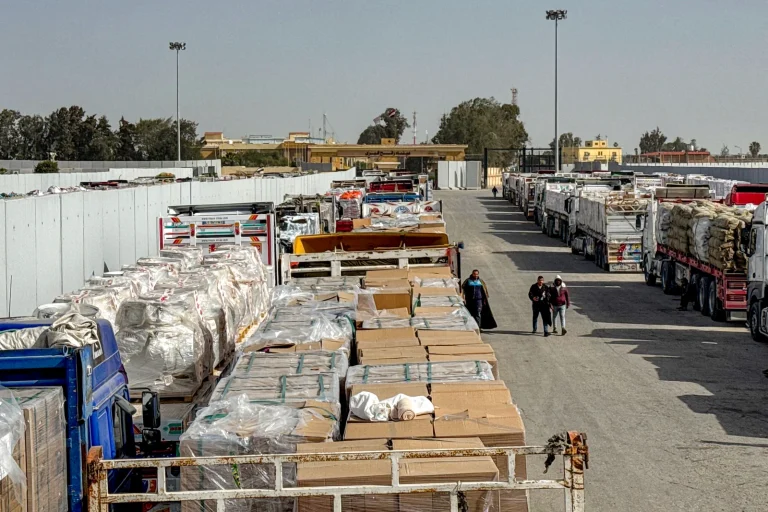
Israeli Prime Minister Benjamin Netanyahu denied that Israel was responsible for worsening conditions in the camps. The UN humanitarian coordination office said Israeli approval was urgently needed to bring in supplies and machinery, while stocks of tents, blankets and tarpaulins inside Gaza were nearly exhausted. Tarpaulins and blankets can provide immediate relief, while pumps, repair materials and equipment to clear drainage paths can lower the risk from the next storm. Shelters that can withstand repeated winter storms take longer to deliver and install, making access in the days between storms especially consequential.
Relief operations can track progress by counting families with dry, usable shelter and sites where drainage work is complete. Those figures would show where incoming supplies have reached people and where access problems still impede work. For families living on low ground or beside damaged buildings, the timing of that work can determine whether they have somewhere safe to go when rain returns.
Original analysis inspired by Daoud Kuttab from Arab News. Additional research and verification conducted through multiple sources.