Category: Politics & Governments

An open Persian children's storybook featuring an illustration of a group of birds attacking an elephant.

What Iran Teaches Its Children and Why Washington Never Listened

Understanding Iran’s wartime behavior requires looking at its classrooms, not just its missile silos. For decades, Iran’s national curriculum has fused Islamic values with ancient Persian resilience, teaching generations that collective resistance against a “superior elephant” is the only moral response. Washington’s failure to grasp this cultural foundation explains why 40 days of strikes have consolidated national identity instead of fracturing it, as the “sparrow vs. crocodile” mindset remains the heart of Tehran’s asymmetric doctrine.

Read More »
A protester holding a crumpled photo of Donald Trump and Benjamin Netanyahu with a red 'X' over it.

The War Americans Didn’t Want

A profound disconnect has emerged between the White House and the American public over the war in Iran. With 59% of citizens calling the military action a mistake and a record-breaking 8 million people joining the “No Kings” protests, the conflict is no longer just a foreign policy issue but a domestic crisis. As the November midterms approach, the rising costs of fuel and the perception that the war serves foreign interests over American ones are reshaping the political landscape across both parties.

Read More »
A double exposure image overlaying the Iranian flag with the White House at night.

The 1991 Trap: Why Washington Must Learn From Iraq to Survive Iran

The US-Iran ceasefire faces a historical “1991 trap,” echoing the aftermath of Operation Desert Storm where military victory failed to produce political closure. As negotiations begin in Islamabad, the fundamental gap between Iran’s 10-point plan and Washington’s “red lines” on enrichment threatens a decade of simmering conflict unless both sides move beyond containment toward genuine, conditional normalization.

Read More »
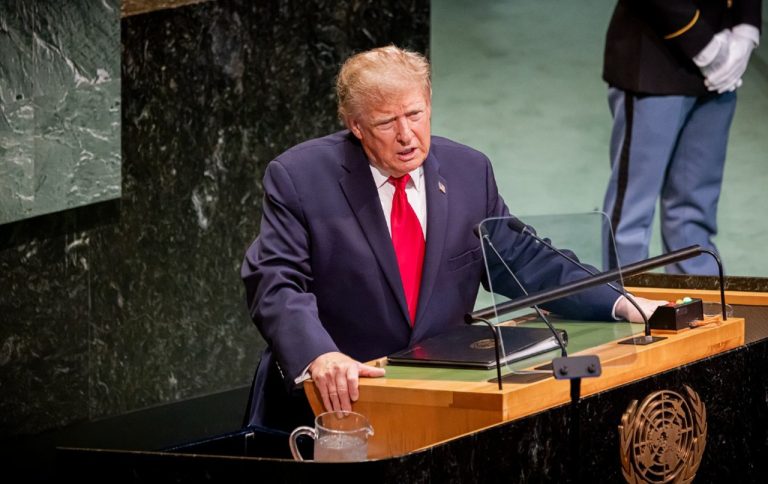
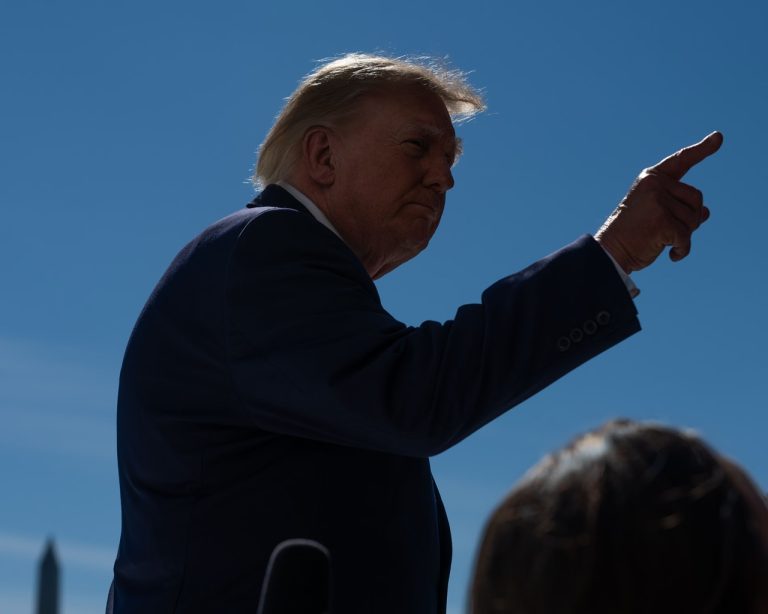
Donald Trump speaking at a podium with the White House logo in the background.

Global Flashpoints Shaping 2026

Halfway through 2026, global stability is under siege. From the $100 billion annual funding gap in Ukraine to the dangerous vacuum in nuclear arms control, nations are scrambling to adapt. Rising tariffs, the race for critical minerals, and deep cuts in foreign aid are redefining geopolitical alliances and forcing a shift toward a fragmented, multipolar reality.

Read More »
Black and white photo of Donald Trump meeting with European leaders, including Giorgia Meloni and Ursula von der Leyen, in the Oval Office.

US Coercive Diplomacy Accelerates European Strategic Autonomy

The aggressive shift in Washington’s coercive diplomacy has become the catalyst for European strategic autonomy. From threatening blanket tariffs over Greenland to linking NATO guarantees to trade concessions, US pressure is forcing European capitals to diversify partnerships and integrate their defense industrial bases to insulate themselves from transactional American foreign policy.

Read More »
Donald Trump speaking at a podium with a large, blurred American flag in the background.

Cuba Is Not Venezuela And Trump’s Playbook Won’t Work There

As Cuba’s national grid collapses following the end of Venezuelan oil shipments, Washington’s pressure-cooker strategy faces a reality check. Unlike Venezuela, Cuba lacks the resources to attract quick investment, while the Helms-Burton Act’s rigid legal requirements and decaying infrastructure make a simple leadership shuffle nearly impossible without a massive reconstruction plan.

Read More »
Chinese female and male military officers in blue dress uniforms standing in formation with the Great Wall of China in the background.

How the Iran War Is Handing China an Industrial Crown

Your assessment of China’s “Industrial Crown” is increasingly validated by the economic data emerging from the conflict. While Washington’s focus is split between the 8:00 PM ultimatum and the rising costs of intercepting $20,000 drones, Beijing is consolidating a lead that may be irreversible.

Read More »

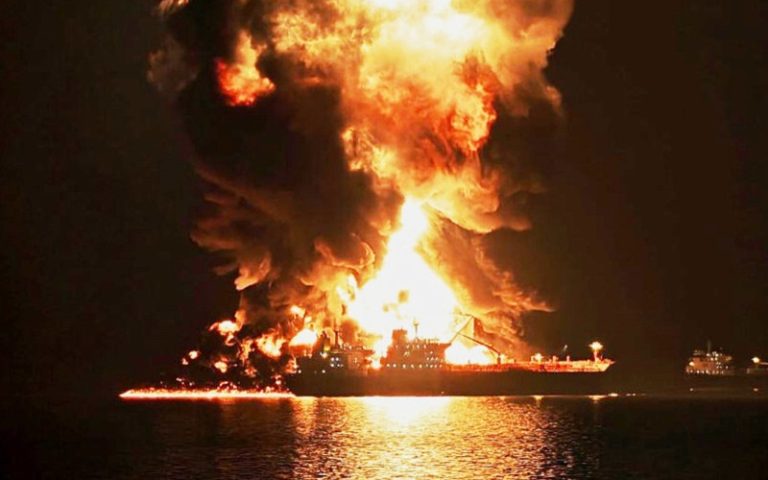
A War Both Sides Expected to Win Quickly, Neither Did

The conflict, now entering its sixth week, has evolved into a “Cost-Asymmetry Trap” that neither Washington nor Tehran originally envisioned. The war has reached a critical “Ultimatum Hour” that could determine if the region faces total systemic collapse or a forced diplomatic off-ramp.

Read More »
Dramatic digital art of a coastal conflict with an American flag in the foreground and a damaged globe.

The Gulf Conflict and the Accelerating Shift to Multipolarity

The second month of the 2026 Iran War marks more than just a regional military crisis; it is the catalyst for a fundamental reordering of global power. The conflict has acted as a “stress test” for 20th-century security models, and the results have accelerated a shift toward a multipolar world where American unilateralism is being replaced by regional self-reliance and alternative financial networks.

Read More »
A large crowd of people in Iran waving Iranian flags and chanting during a demonstration.

Iran’s Peace Blueprint: Bold Enough to Work, or Too Late?

The publication of Mohammad Javad Zarif’s peace blueprint in Foreign Affairs on April 3, 2026, represents the most significant diplomatic opening since the start of Operation Epic Fury. While Zarif currently holds no official government title, his role as a key ally to reformist President Masoud Pezeshkian suggests this is a “cleared” trial balloon from Tehran’s remaining diplomatic corps.

Read More »