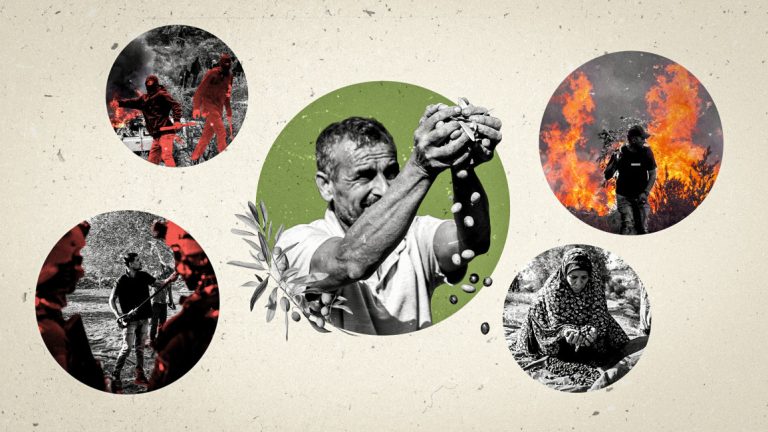
Britain’s proposed restrictions on settlement trade face a practical test in the West Bank’s olive groves. UN humanitarian monitors recorded 199 attacks connected to the harvest between September 1 and October 12, with casualties, damaged property or both. That exceeded the 185 incidents recorded during the previous year’s harvest. The figures challenge any suggestion that diplomatic announcements alone have made Palestinian farming safer.
The economic stakes reach well beyond a seasonal crop. The harvest supports an estimated 80,000 to 100,000 Palestinian families, while restrictions on access can prevent them from gathering produce even when trees remain intact. A potential recovery in olive oil output therefore depends on whether farmers can reach and work their land. Lost access turns agricultural uncertainty into a question of household survival.
London has acknowledged that economic relationships help sustain the settlement system. A House of Commons Library briefing sets out the government’s September announcement of an import ban on settlement goods and measures against services supporting settlement expansion. The approach seeks to interrupt commercial support for settlements in the occupied territories while maintaining trade with Israel. Its effectiveness will depend on the reach of the eventual rules and the resources committed to enforcing them.
That distinction presents difficult administrative choices. In a parliamentary answer, the government promised coordinated enforcement to prevent settlement goods entering Britain, including civil and criminal powers where breaches occur. But an enforcement framework is not evidence that evasive supply routes have already been closed. Authorities will need reliable origin records, cooperation between agencies and a credible willingness to investigate suppliers.
The Netherlands offers a useful comparison. Dutch Customs prohibits importing, purchasing and selling settlement goods for its domestic market under measures effective from September 22. The rules also cover brokerage and circumvention, while allowing specified customs transit arrangements. This illustrates why a sanctions announcement must be assessed through its detailed commercial scope, rather than its political wording alone.
Britain has also confirmed that its planned measures aim to protect legitimate trade with Israel, including medicines. Campaigners seeking wider sanctions and an arms embargo consequently face a policy designed around a narrower distinction. That disagreement should be explicit: restrictions on settlement commerce and a broader change in relations with the Israeli state are different decisions. Neither should be credited with protection it has yet to deliver.
For Palestinian farmers, the relevant measure is straightforward: can they harvest without assault, intimidation or exclusion? Trade restrictions may increase the costs of sustaining settlements, but they cannot replace immediate protection or accountability for attacks. Britain’s policy will be judged by enforceable consequences and safer access to land, not by the force of its announcements.
Original analysis inspired by Ryvka Barnard from The New Arab. Additional research and verification conducted through multiple sources.