Category: Palestine and Isreal

Soldiers in military gear standing in a war-torn urban street with smoke in the background.

Post-Iran War Diplomacy Tests Gaza and Lebanon

Following military operations against Iranian targets, diplomats are navigating fragile ceasefires in Gaza and Lebanon. Success depends on establishing credible governance, ensuring Lebanese sovereignty, and addressing Iran’s nuclear ambitions while balancing the reconstruction needs of war-torn areas against the necessity of permanent demilitarization and regional security.

Read More »
Ursula von der Leyen and Isaac Herzog walking together in a hallway at the European Commission.

Europe’s Public Pressure Forces Israel Reckoning

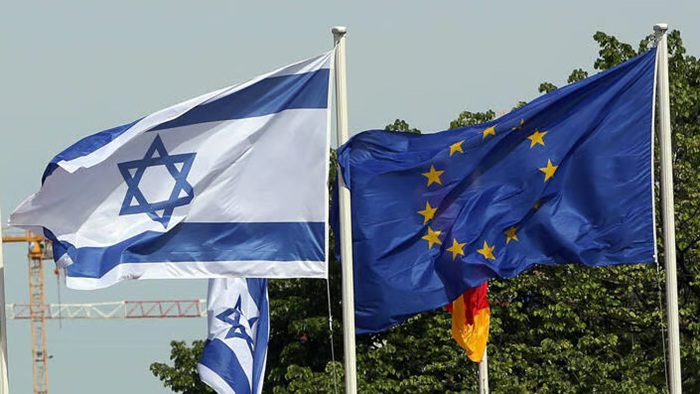
Europe’s political alignment with Israel is facing unprecedented strain as public sentiment shifts toward accountability. Despite institutional resistance from major powers like Germany and Italy, growing grassroots mobilization and formal requests to suspend trade agreements signal a widening gap between European citizens and their governments regarding regional human rights obligations.

Read More »
Itamar Ben-Gvir and Israeli security officials standing in a detention facility while several detainees lie face down on the floor with their hands restrained behind their backs.

Garbage Truck Incident Exposes Palestinian Desperation

The discovery of dozens of Palestinian men hiding in a garbage truck to cross into Israel for work has sparked international outrage. This incident serves as a stark symbol of the severe economic hardship and movement restrictions in the West Bank, forcing laborers to endure dehumanizing conditions to provide for their families.

Read More »
Naftali Bennett standing at a wooden podium with a microphone, giving a thumbs-up gesture during a political speech with a plain background.

Bennett-Lapid Alliance Challenges Netanyahu’s Grip

Naftali Bennett and Yair Lapid have merged their political forces into a new party, “Together,” to challenge Benjamin Netanyahu in Israel’s upcoming elections. Capitalizing on public frustration over the inconclusive Iran war and Netanyahu’s legal troubles, the alliance seeks to attract a broad coalition of centrist and right-wing voters.

Read More »
A protest sign showing a censored person and the text "Stop Hiding Israeli War Crimes" with social media icons.

Meta Faces Scrutiny Over Palestine Content Policies

A recent investigation into Meta’s content policies has exposed a systemic imbalance in how the platform moderates the Israel-Palestine conflict. The report highlights that while pages inciting violence often remain monetized, Palestinian media outlets face significant restrictions. This disparity raises critical questions about corporate responsibility and the role of social media in shaping real-world human rights outcomes.

Read More »
Children waving yellow Hezbollah flags from a car sunroof in front of destroyed buildings.

Lebanon–Israel Talks: Historic Step, Uncertain Road

In a landmark diplomatic breakthrough hosted in Washington, Israeli and Lebanese officials engaged in their first direct negotiations in over 40 years. While a fragile 10-day cessation of hostilities has been established, the roadmap to a permanent peace faces significant hurdles, including the structural challenge of disarming Hezbollah and asserting Lebanese state sovereignty amid ongoing regional tensions.

Read More »
JD Vance shaking hands with Shehbaz Sharif during an official diplomatic meeting.

The STEP Quartet: How Four Muslim Nations Are Reshaping the Middle East

The emergence of the STEP quartet—Saudi Arabia, Turkey, Egypt, and Pakistan—marks a historic shift in Middle Eastern diplomacy. By brokering the Islamabad ceasefire, these four nations have positioned themselves as the primary mediators between Washington and Tehran, signaling a new regional order focused on strategic autonomy and collective security.

Read More »
Protesters in an urban setting holding a sign that reads "War without an exit strategy is a national suicide!"

Tactical Wins Fall Short in US-Israel Campaign Against Iran

Despite significant damage to Iran’s infrastructure and leadership, the US-Israeli military campaign has struggled to achieve its broader political goals. Tehran’s survival and its strategic leverage over the Strait of Hormuz highlight the limitations of military force in securing a decisive regional realignment or regime change.

Read More »
Small table flags of the United States and Iran placed side by side on a wooden table.

The Islamabad Talks Begin But the Ceasefire Is Already Cracking

As delegations head to Islamabad, the US-Iran ceasefire is already on the verge of collapse. The fundamental “interpretive gap” between Tehran’s 10-point plan and Washington’s red lines, compounded by Israel’s refusal to include Lebanon in the truce, has turned the process into a high-stakes test of crisis management. History suggests that without structural reconciliation, this “negative peace” may only serve as a temporary reload for a wider confrontation.

Read More »
A large Iranian flag waving in an urban square with a man holding the flagpole.

Six Reasons the Iran Ceasefire Could Collapse Before It Holds

The Pakistan-brokered ceasefire is already fracturing as Israel’s “Operation Eternal Darkness” hits 100+ targets in Lebanon. Beyond the immediate violence, six fundamental “fault lines”—including clashing victory narratives, unresolved nuclear enrichment, and Iran’s intact proxy networks—suggest that the Islamabad talks may struggle to turn this 14-day pause into a lasting peace.

Read More »
A hand-drawn sign on a chain-link fence with a heart and an atom symbol, reading "Fordo is our heart," near a military facility.

The Nuclear Double Standard Fueling the Iran War

The strike near Dimona on March 22, 2026, has crystallized a long-standing debate over the “nuclear double standard” in the Middle East. While Washington justifies Operation Epic Fury as a necessary measure to prevent Iranian nuclear proliferation, critics point to the immunity granted to Israel’s unacknowledged arsenal as evidence of a fundamentally asymmetric global order.

Read More »