Category: USA

A silhouette of a crumbling Statue of Liberty against a setting sun, symbolizing national decline.

Why American Power Is Eroding From Within

This article argues that America’s greatest vulnerabilities lie in fiscal overstretch and a reliance on force over diplomacy. By prioritizing foreign interventions while domestic infrastructure and political institutions erode, Washington risks long-term instability. The piece advocates for strategic restraint and internal reinvestment to restore sustainable global leadership and national health.

Read More »
Agricultural laborers working in a large field of red leaf lettuce under a bright sun.

Iran War Raises Fuel and Food Costs for Rural America

This report explores the domestic economic toll of the Iran conflict, specifically how supply disruptions in the Strait of Hormuz have spiked diesel and fertilizer costs. As rural households and farmers face tightening margins and rising grocery inflation, the situation underscores the direct link between global geopolitics and American food security.

Read More »
A person holding a long red dragon banner on a Shanghai waterfront with the Pudong skyline in the background.

Why China Holds Fewer Cards in Trade Tensions

Recent analysis suggests that while China’s export controls on critical minerals create short-term friction, Beijing’s broader economic leverage is declining. With real GDP growth estimated at roughly half the official target and a shrinking trade surplus with the U.S., China remains disproportionately dependent on Western markets. This structural vulnerability, combined with persistent property sector and debt issues, limits Beijing’s ability to sustain a prolonged economic confrontation without significant domestic repercussions.

Read More »
Aerial view of a US Navy carrier strike group moving across the blue ocean.

US Munitions Crisis Threatens China Deterrence

Recent combat operations in the Middle East have significantly depleted American munitions reserves, raising alarms about U.S. readiness to deter China. As Beijing maintains a massive lead in industrial production, the Pentagon is prioritizing the “Hellscape” strategy—using swarms of unmanned systems to defend the Taiwan Strait—while struggling to address a multibillion-dollar backlog in conventional arms deliveries to Taipei.

Read More »
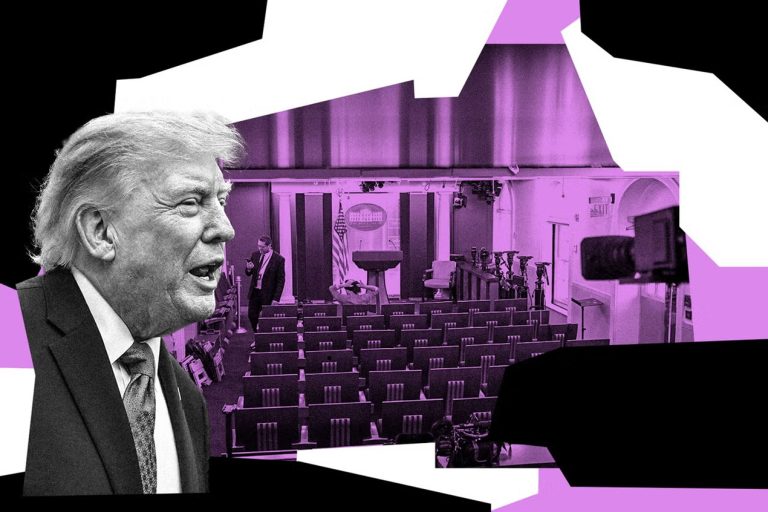
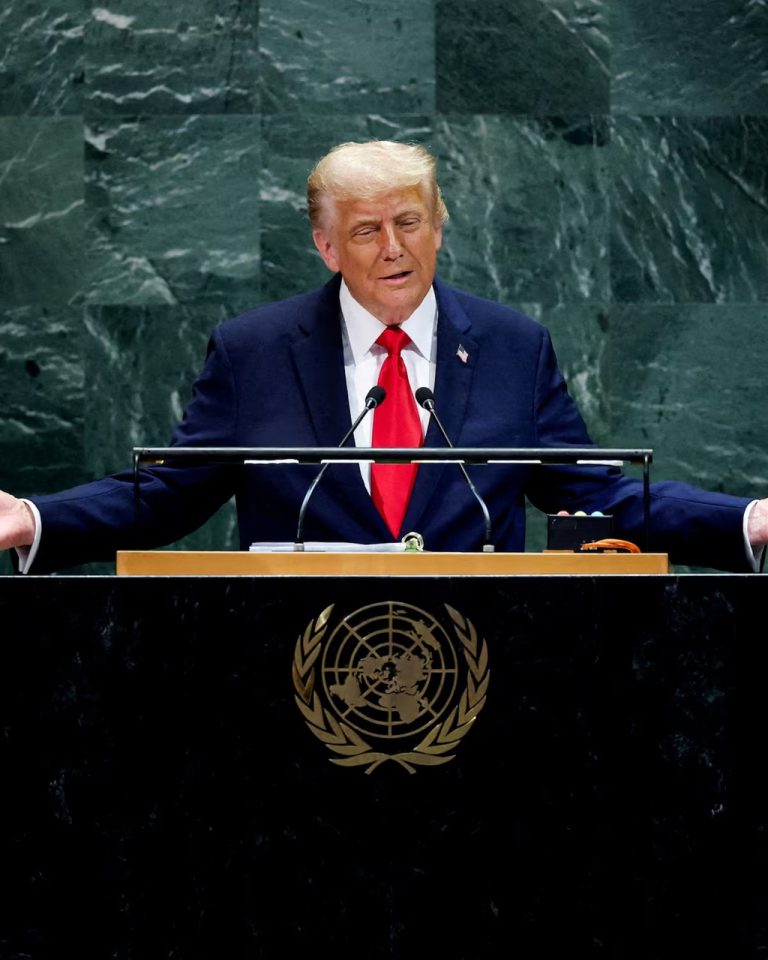
Donald Trump pointing a finger forward while standing at a podium.

Trump’s Iran Ultimatums Risk Deeper Stalemate

President Trump’s strategy of perpetual ultimatums toward Iran is creating an entrenched stalemate that unsettles global energy markets. While intended to maintain leverage, the cycle of threats without resolution has allowed Tehran to calibrate its defiance, keeping oil prices elevated and leaving the Strait of Hormuz in a state of dangerous, indefinite tension.

Read More »
Taiwanese soldiers in camouflage standing with a large national flag next to military missile launchers and a drone.

Trump-Xi Summit Tests Taiwan’s Trust in US Support

President Trump’s Beijing summit has intensified anxieties in Taiwan regarding the stability of American security commitments. Despite a record $11 billion arms authorization, delivery delays and transactional demands for semiconductor investments have significantly eroded Taiwanese public confidence. As Xi Jinping prioritizes Taiwan in talks, the region remains wary of shifts in Washington’s long-standing strategic ambiguity.

Read More »
Two gold interlocking gears featuring the national flags of China and the United States.

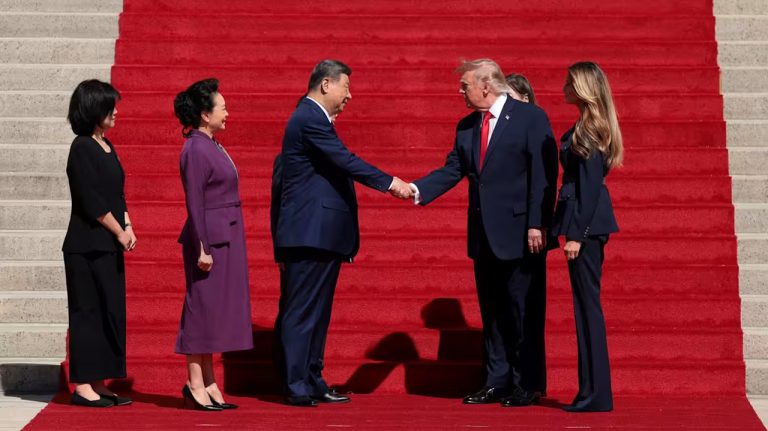
Small Steps Define Trump’s Beijing Visit

President Trump’s visit to Beijing, the first by a U.S. leader in a decade, seeks a tactical stabilization of ties with China. Amid the ongoing Iran conflict and trade frictions, both nations are prioritizing “managed competition” over a full reset, focusing on supply chain resilience, AI safety, and restoring human connections.

Read More »
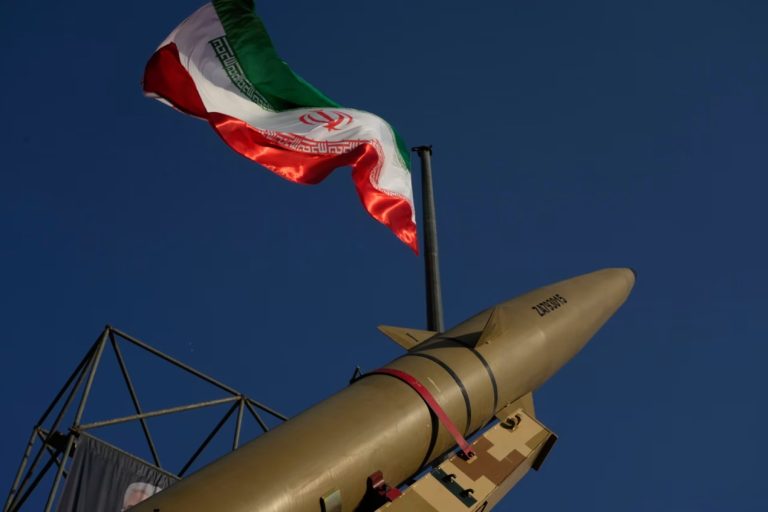
A digital composite of the Iranian flag, ballistic missiles, and a nuclear mushroom cloud.

Iran’s Defiance Tests Trump’s Resolve in Nuclear Standoff

President Trump’s recent rejection of Iran’s peace proposal has pushed the fragile Middle East ceasefire to the brink of collapse. As Tehran refuses to dismantle its nuclear infrastructure despite military pressure and “Project Freedom” naval escorts, the standoff threatens global energy stability and complicates international preparations for the 2026 World Cup.

Read More »
President Lai Ching-te of Taiwan speaking at a podium with Taiwanese and American flags in the background.

Iran War Lessons Reshape China’s Taiwan Calculus

Chinese military planners are drawing critical lessons from the recent Iran conflict, viewing Tehran’s ability to weaponize geography and disrupt global energy markets as a blueprint for Taiwan. By observing how economic shocks constrained Washington, Beijing is increasingly validating “layered coercion”—using maritime quarantines and cyber warfare—to erode Taiwan’s resilience without a high-risk amphibious invasion.

Read More »

Oil Inventories Near Critical June Threshold

The world faces an unprecedented energy crisis as usable oil inventories plummet toward an eight-year low. With 14 million barrels of Middle East production offline, massive supply draws are forcing factory shutdowns and fuel rationing across Asia, testing global economic resilience and pushing Brent crude toward a dangerous June breaking point.

Read More »

Closing America’s Gray Zone Confidence Gap

Strategic competition today is defined by influence operations and narrative battles, yet American decision-making remains plagued by institutional overconfidence. Lessons from Afghanistan highlight a failure to track analytical accuracy, suggesting that the U.S. must invest in “decision infrastructure” and forecasting systems to turn intelligence into a durable advantage.

Read More »

Iran War Exposes US Policy Contradiction

The Iran war has pushed U.S. policy into contradiction, exposing clashing goals on Iran’s regime and nuclear limits while driving costs higher and yielding few gains—fueling domestic frustration as the conflict drags on.

Read More »