
Closing America’s Gray Zone Confidence Gap

Strategic competition today is defined by influence operations and narrative battles, yet American decision-making remains plagued by institutional overconfidence. Lessons from Afghanistan highlight a failure to track analytical accuracy, suggesting that the U.S. must invest in “decision infrastructure” and forecasting systems to turn intelligence into a durable advantage.
Iran War Exposes US Policy Contradiction
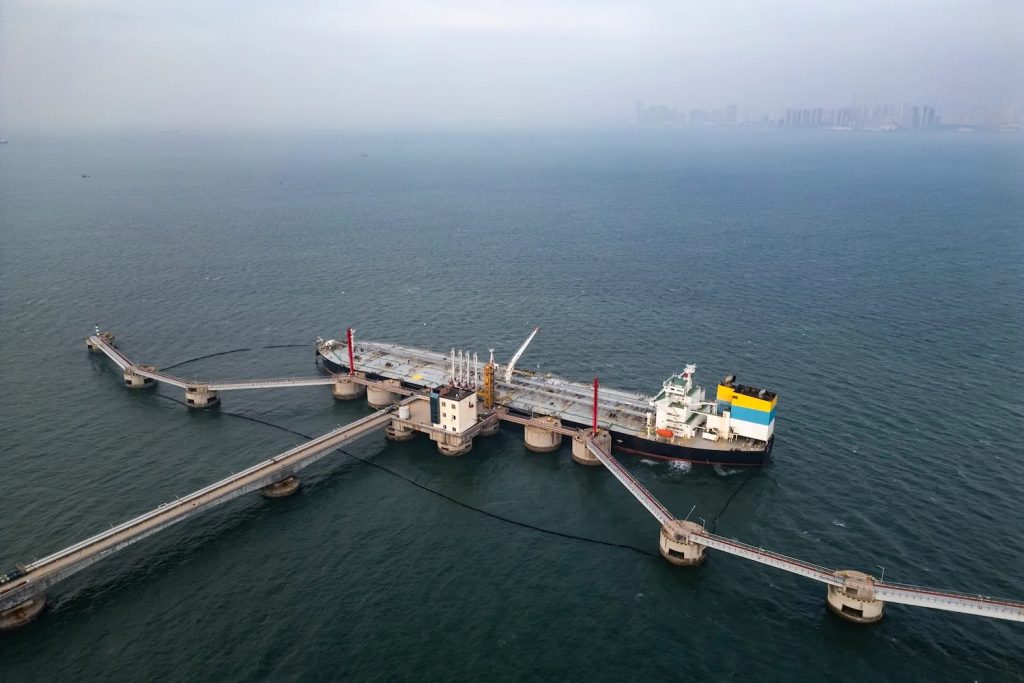
The Iran war has pushed U.S. policy into contradiction, exposing clashing goals on Iran’s regime and nuclear limits while driving costs higher and yielding few gains—fueling domestic frustration as the conflict drags on.
Iran Conflict Weakens Trump’s Hand Ahead of Xi Summit
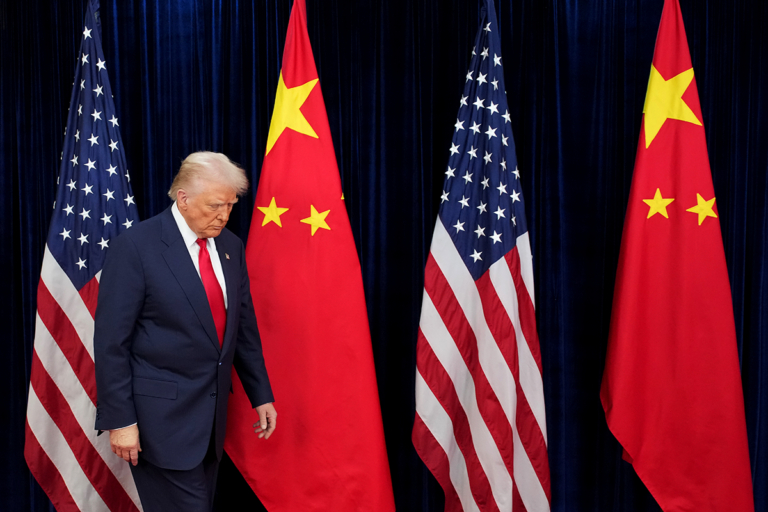
Trump enters the Xi summit weakened by a costly Iran war that raised energy prices, strained alliances, and exposed planning gaps—undercutting the strategic leverage he hoped to bring to Beijing.
Insurance as China’s Hidden Oil Chokepoint
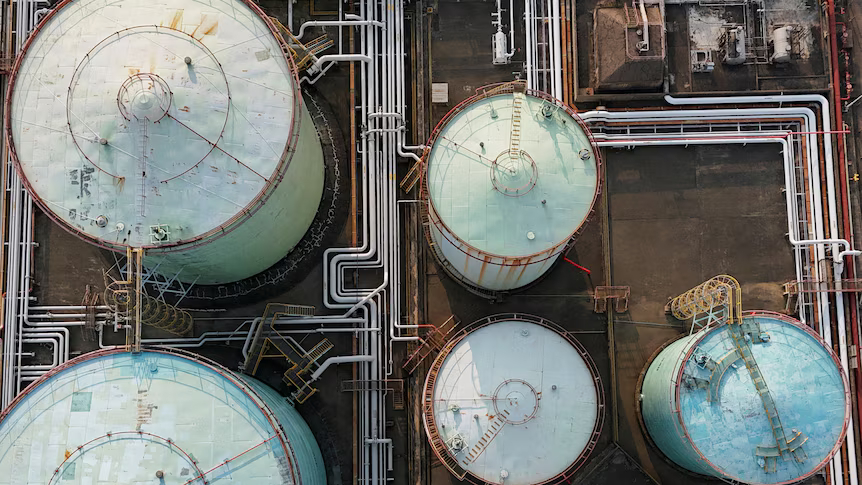
China’s oil lifeline faces a hidden threat: insurance markets. The Hormuz shutdown showed how premium spikes—not navies—can choke supplies, exposing Beijing’s reliance on vulnerable sea routes and Western financial systems.
Gulf States Confront Limits of US Security Guarantees
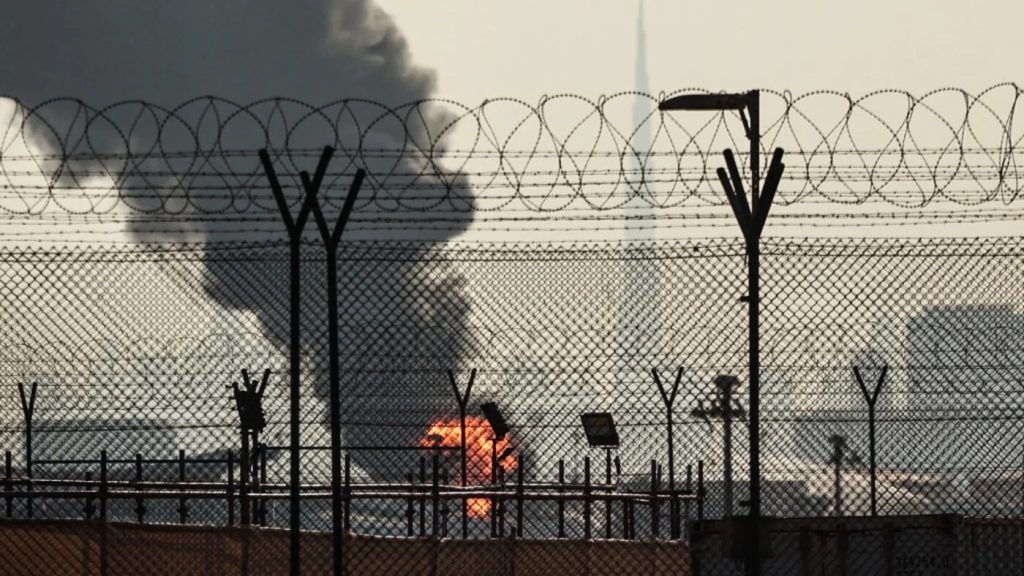
Gulf states are reassessing US protection after Iranian strikes exposed shared vulnerabilities. The conflict has accelerated moves toward regional defense coordination and greater self‑reliance centered on local security needs.
China Accelerates Self-Reliance Amid Iran Conflict
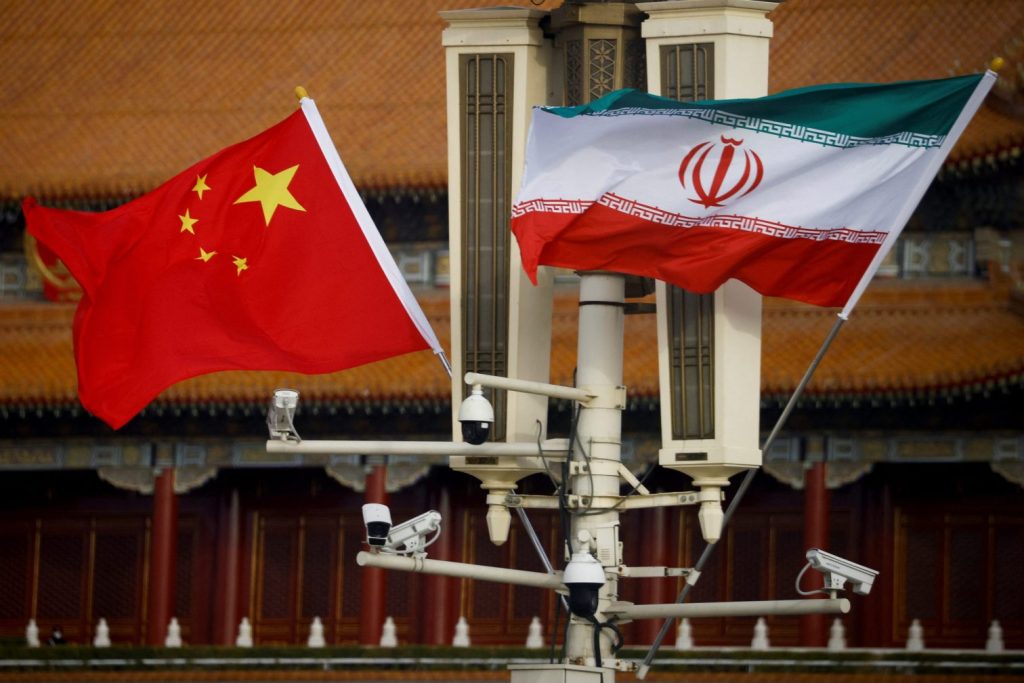
China is cushioning Middle East shocks through reserves, EV adoption, and supply‑chain controls while hedging diplomatically. The Iran conflict is accelerating Beijing’s push for self‑reliance and diversified energy ties without deeper military entanglement.
Beijing’s Patient Strategy on Taiwan
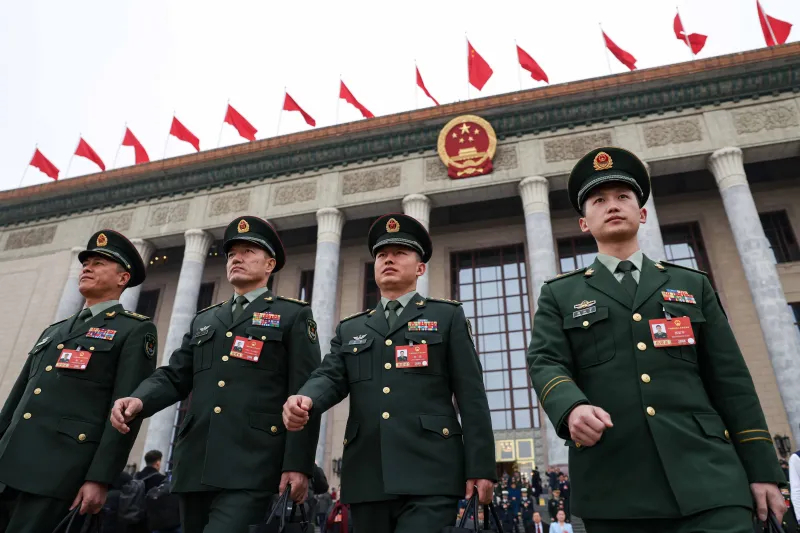
Beijing pursues unification through patience, leveraging power trends, Taiwan’s divisions, and gray‑zone pressure while avoiding a costly war. Its long game aims to make political convergence seem inevitable without triggering catastrophic conflict.
Why Congress Is Essential to US Grand Strategy
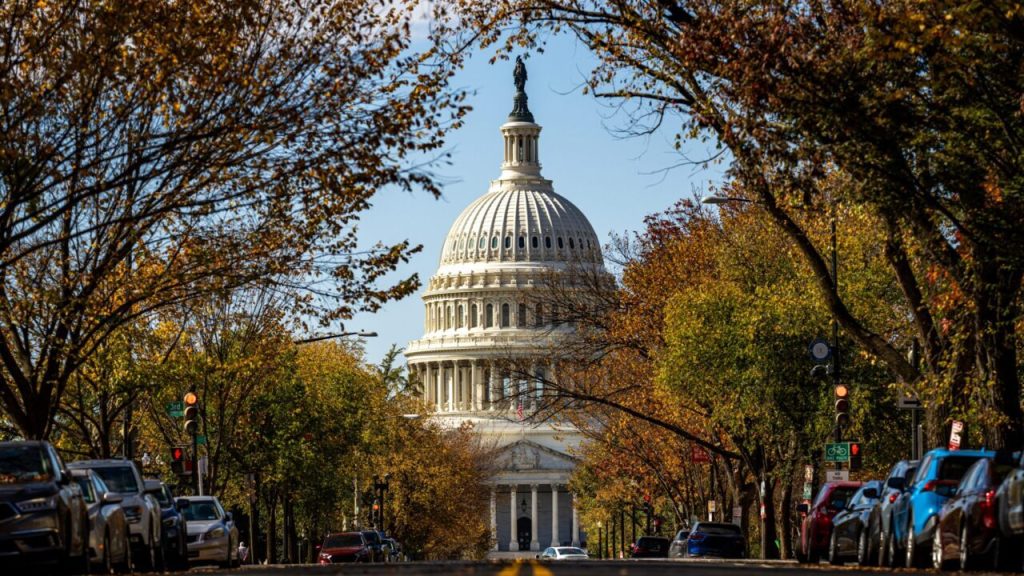
In 2026, the reliance on executive orders over congressional consensus has hollowed out American statecraft. From trade wars to undeclared military engagements, the absence of legislative deliberation undermines strategic continuity, leaving allies uncertain and adversaries ready to exploit the structural gaps in U.S. foreign policy.
Pakistan Iran Corridor Reveals US Strategic Weaknesses
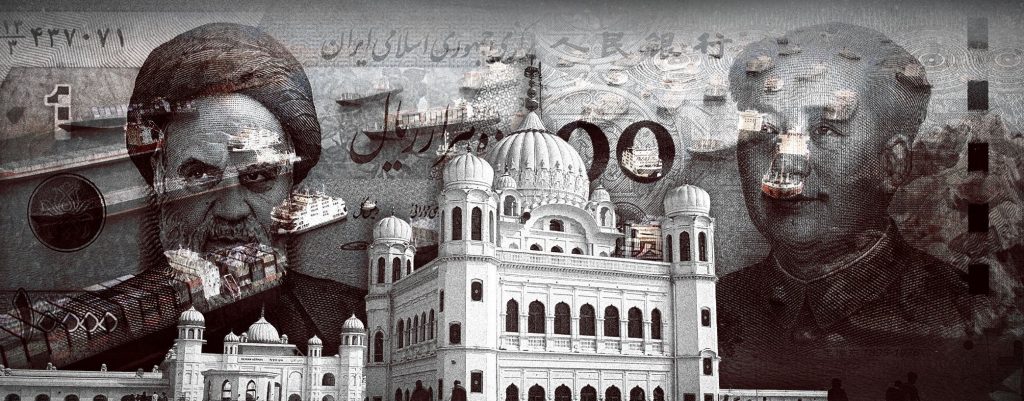
The activation of six dedicated land corridors between Pakistan and Iran marks a strategic shift in regional logistics. By rerouting cargo from Karachi and Gwadar directly to the Iranian border, Islamabad is providing a critical workaround to the Strait of Hormuz closure, potentially reviving stalled energy projects and deepening Belt and Road connectivity.
Israel’s War Economy Faces Global Isolation Test
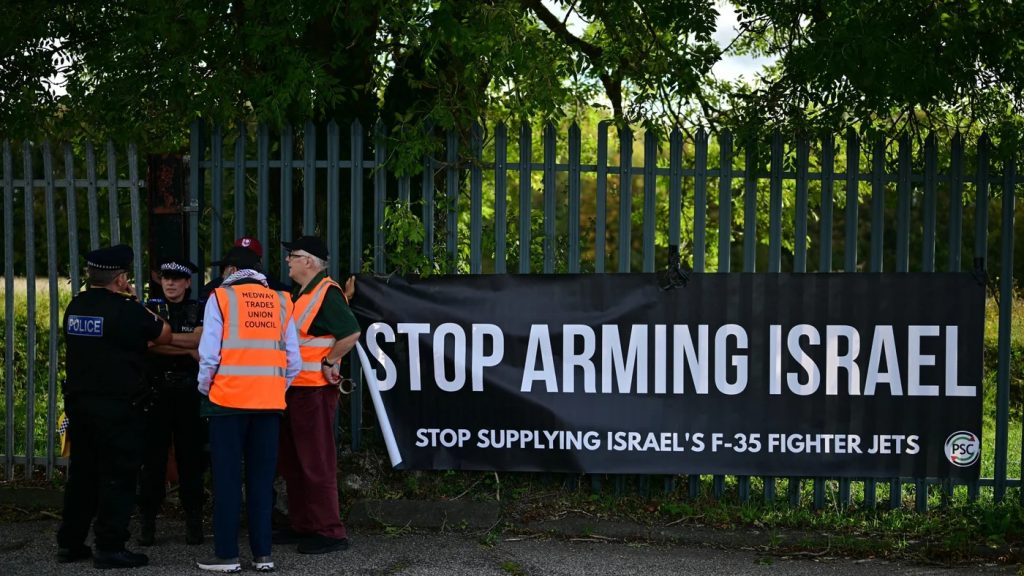
Israel’s economy is navigating a critical turning point as defense spending nears 8% of GDP. Facing a rising fiscal deficit and cooling foreign investment, the nation is testing whether its specialized security exports can offset growing diplomatic isolation and mounting pressure from traditional Western allies to reconsider trade and military aid.
China’s Legal Pushback on US Iranian Oil Sanctions
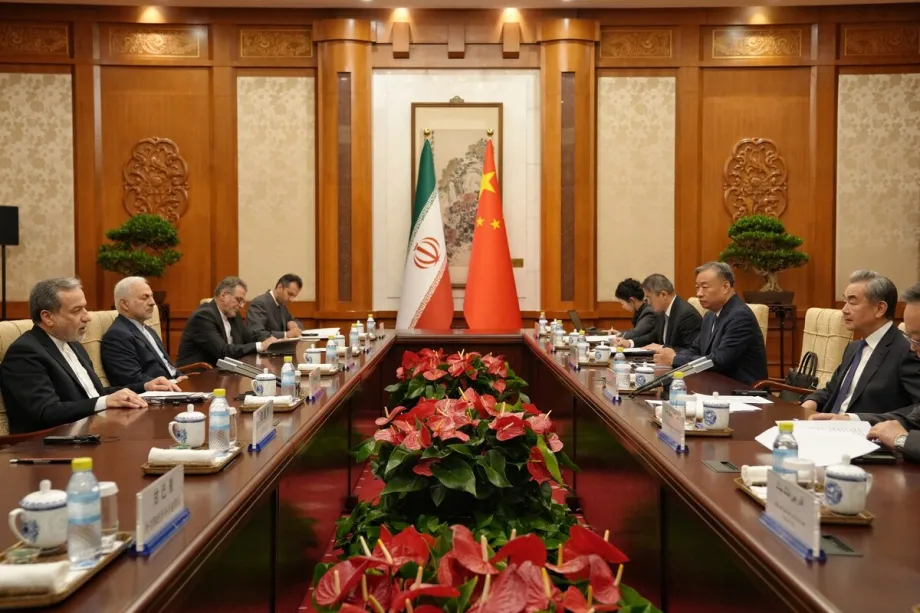
On May 2, 2026, China’s Ministry of Commerce issued a landmark directive blocking compliance with U.S. sanctions targeting refineries processing Iranian crude. By formalizing legal resistance and expanding RMB-based payments, Beijing is institutionalizing its defense against financial coercion, directly challenging the extraterritorial reach of Washington’s energy-related penalties.
Why the Iran Collapse Strategy Keeps Backfiring
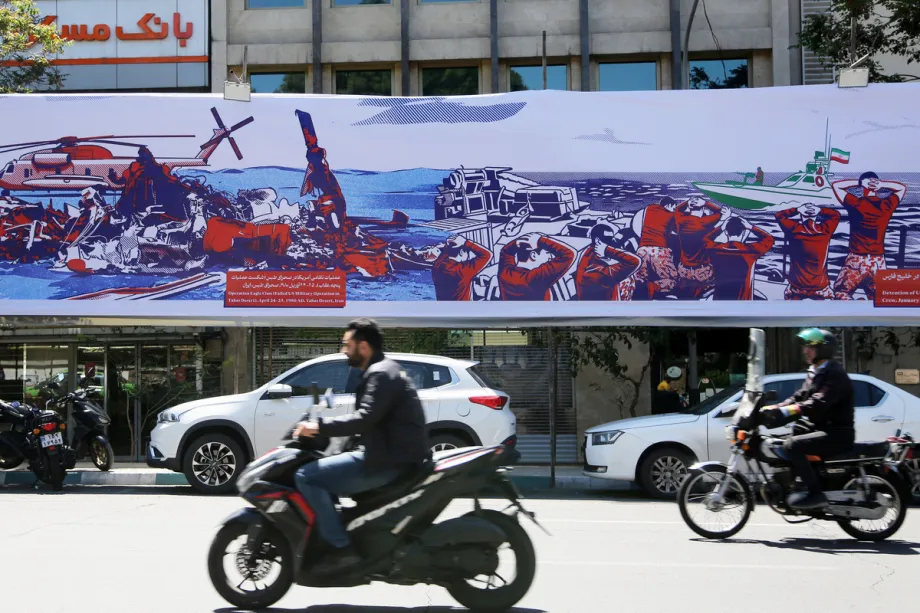
Washington’s reliance on a “breakdown” strategy in Iran is being tested by Tehran’s ability to endure sustained military and economic pressure. Instead of a swift collapse, current cycles of attrition have fueled global oil price spikes, reaching $4.50 per gallon in the U.S., while strengthening Iran’s informal trade networks and regional alliances.