
Why Pakistan’s Iran Mediation Won’t Reset US Ties
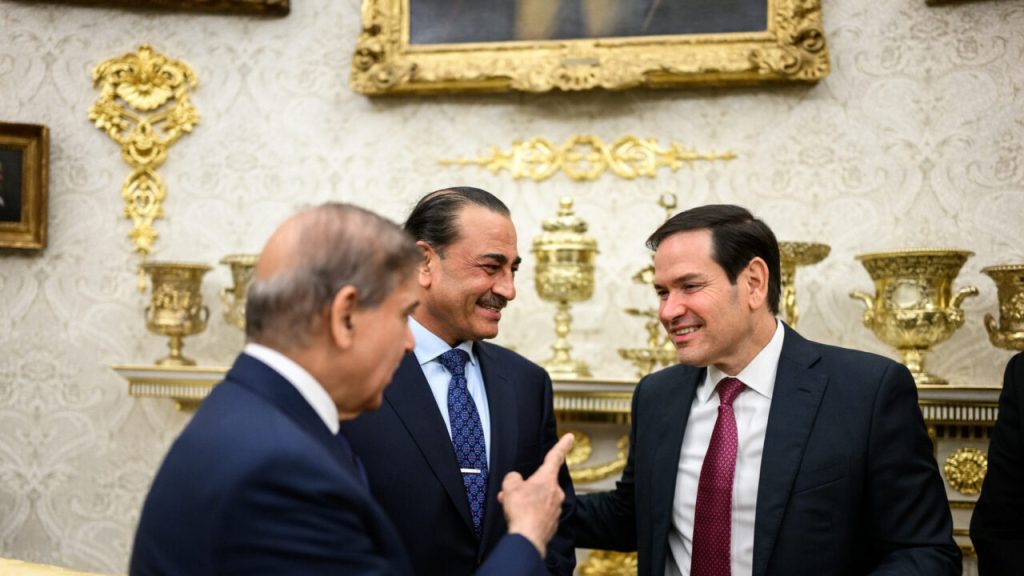
Despite successfully brokering a fragile April ceasefire between Washington and Tehran, Pakistan faces a steep climb to restore long-term strategic trust with the U.S. Persistent concerns over militant groups, the fallout from the 2025 Pahalgam attack, and Islamabad’s deep economic ties with China suggest that the current warmth remains largely transactional and issue-dependent.
Trump’s America Foils Putin’s Global Strategy
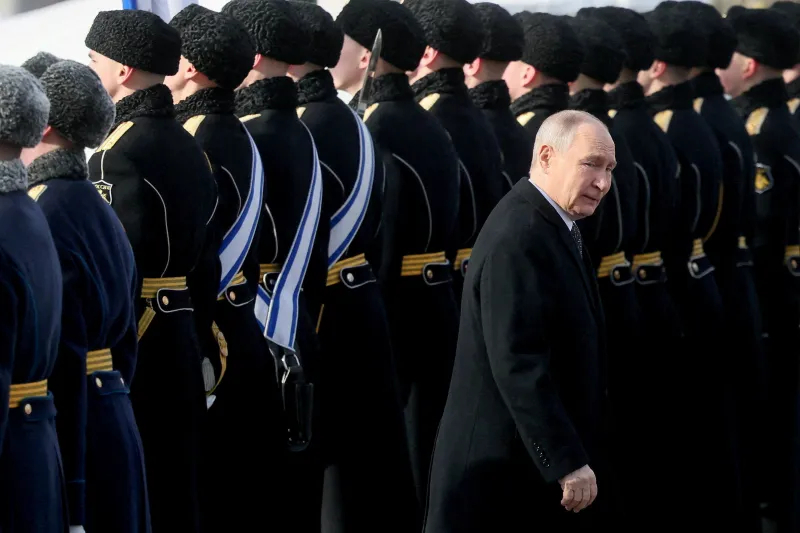
The return of Donald Trump has disrupted Vladimir Putin’s long-term global strategy by devaluing the international institutions where Russia holds formal power. As Washington pivots to parallel mechanisms and unilateral action, Moscow finds its traditional diplomatic leverage weakened, forcing the Kremlin to recalibrate its influence amid the ongoing conflict in Ukraine.
China’s Shipping Shield Blunts American Sanctions
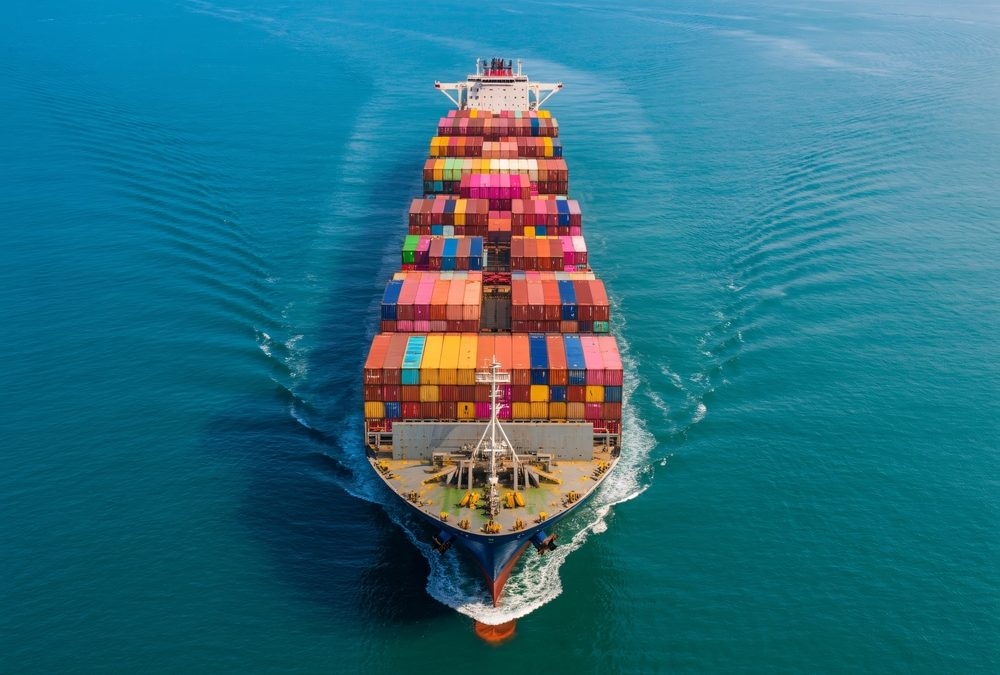
Beijing is effectively countering American economic pressure by weaponizing its maritime dominance. With over half of global shipbuilding output and strategic investments in 168 ports worldwide, China has built a “shipping shield” that secures its energy imports and trade routes, rendering traditional financial sanctions increasingly ineffective in the lead-up to high-level diplomatic talks.
China’s Affordable AI Reshapes Emerging Markets

A shift in global AI adoption is unfolding as developing nations embrace Chinese open-source models for their affordability and customization. From Africa to Southeast Asia, these systems are becoming the practical default, allowing countries to build sovereign AI programs that reflect local languages and priorities while bypassing the high costs of American counterparts.
Trump’s Iran Deadline Tests War Powers Limits
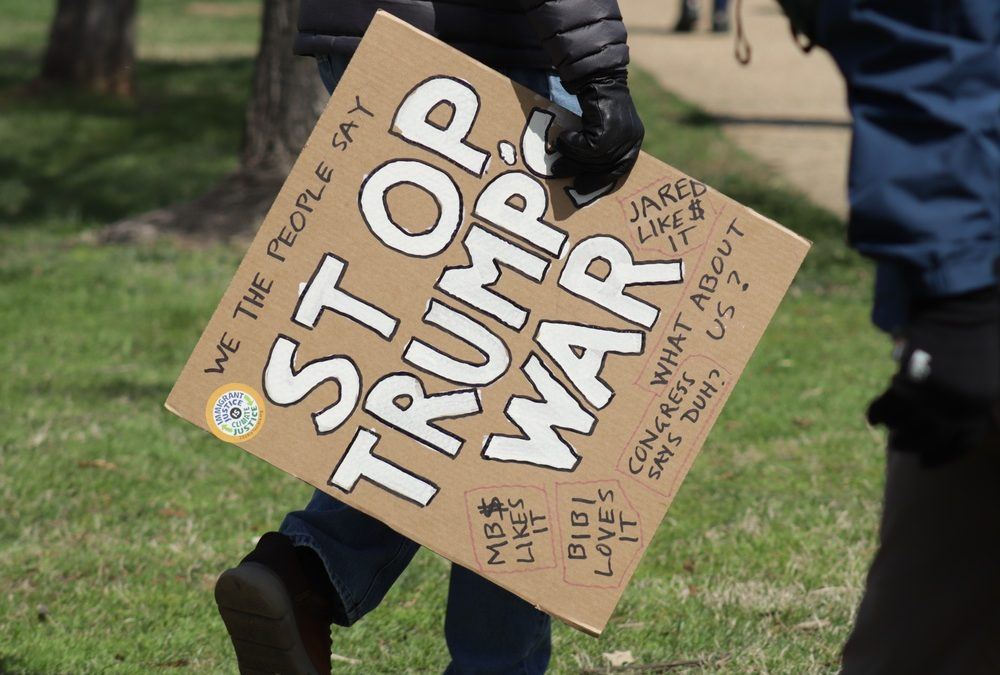
The expiration of the War Powers Resolution’s 60-day window has triggered a high-stakes legal battle between the White House and Congress. As the Trump administration cites a fragile ceasefire to justify continued deployments, lawmakers are weighing the necessity of formal authorization against the risks of open-ended regional conflict and diminished legislative oversight.
Superpowers Learn Restraint From US-Iran War
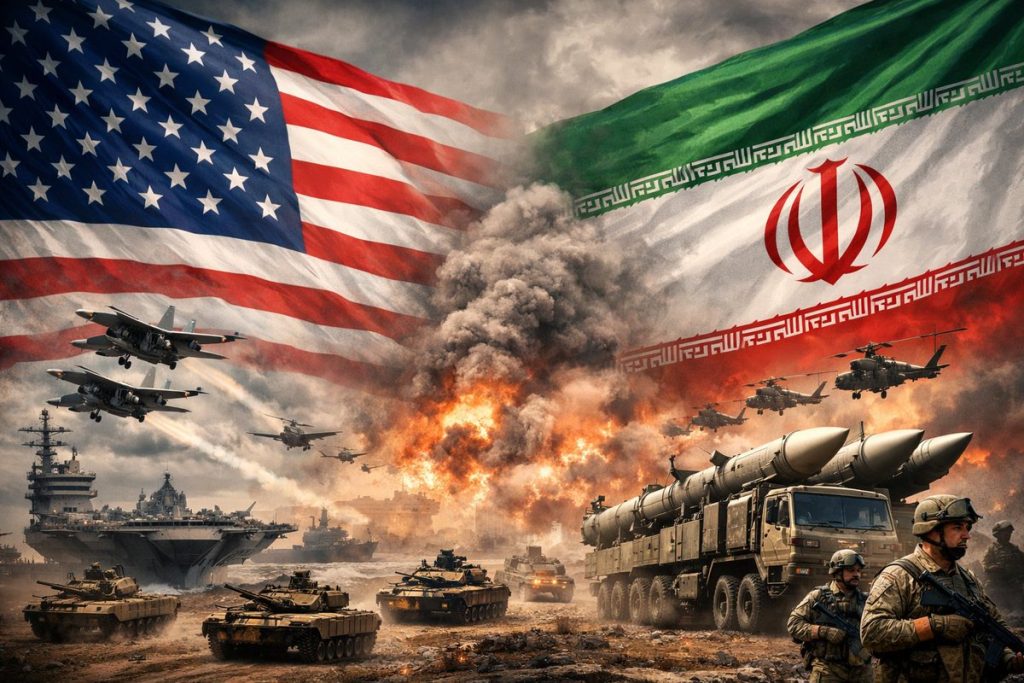
Recent military confrontations between the U.S. and Iran have led global strategists to reevaluate the costs of overcommitment. As defense spending competes with domestic needs and media coverage amplifies setbacks, major powers are shifting toward more selective engagement, prioritizing internal stability and core interests over prolonged, distant interventions.
Iran’s Hormuz Gambit Demands Fresh Energy Strategy
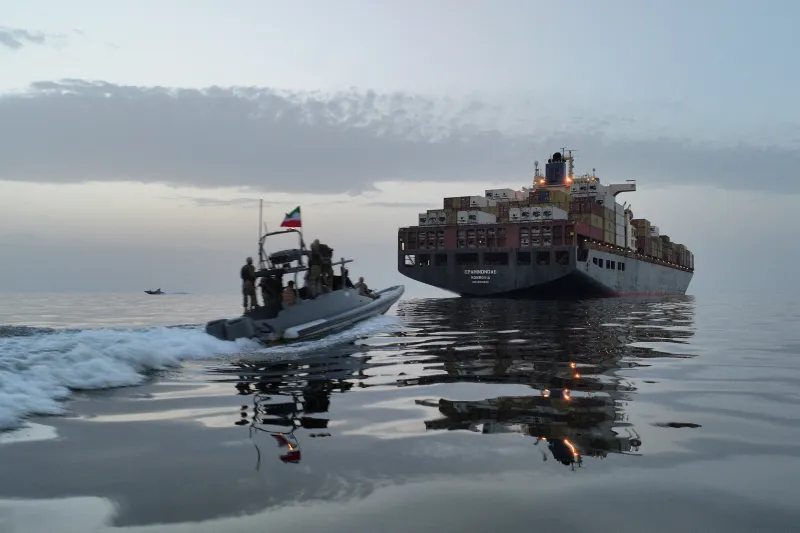
The ongoing blockade of the Strait of Hormuz has exposed critical vulnerabilities in global energy security, driving U.S. gasoline prices past $4.40. As military standoffs continue, experts urge a shift toward diversified supply routes, including Saudi Arabia’s East-West pipeline, and a renewed focus on domestic resilience and long-term energy innovation.
Hormuz Tensions Shift Afghanistan Aid Routes to Central Asia
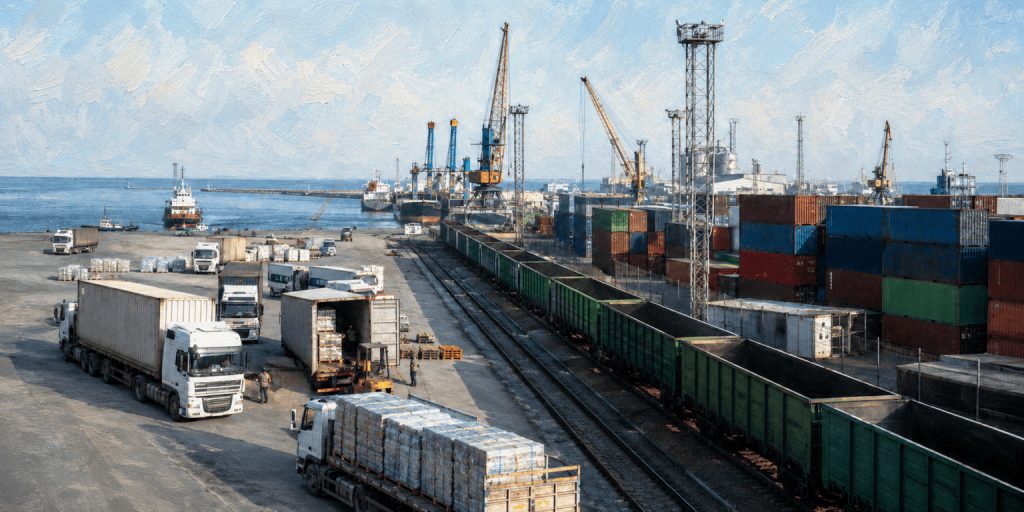
Ongoing conflict in the Strait of Hormuz has fractured traditional humanitarian supply lines, forcing agencies to reroute Afghan aid through Central Asia. With 3.7 million children at risk of malnutrition, the Lapis Lazuli Corridor and hubs like Termez have become vital lifelines for delivering essential food and medical supplies.
Hormuz Crisis Exposes Energy Innovation Gaps
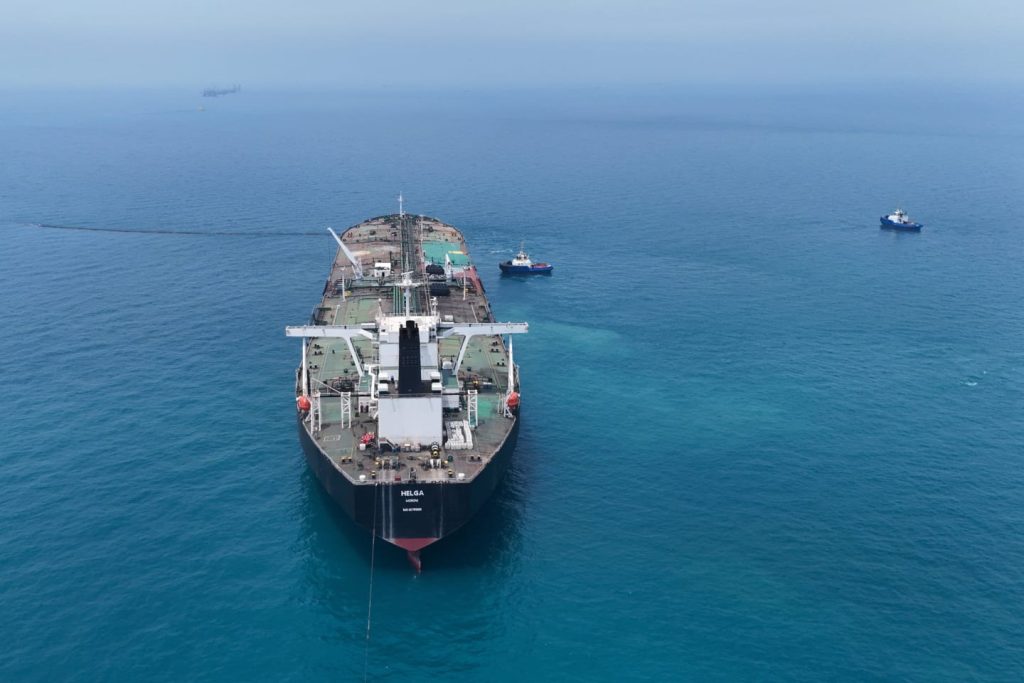
The unprecedented disruption in the Strait of Hormuz has exposed the vulnerability of global energy systems. Despite record-breaking reserve releases, the crisis underscores a critical need for sustained energy innovation. New data reveals a widening gap in research and deployment, with Nordic leadership contrasting a relative decline in U.S. innovation.
Why Military Pressure Fails in the Strait of Hormuz

Rising tensions in the Strait of Hormuz have disrupted shipping and pushed energy prices higher worldwide. Analysts argue military pressure alone cannot remove Iran’s leverage in the narrow waterway. Restoring safe passage may depend more on diplomacy than escalation, as global markets face growing uncertainty.
Why Lebanon Needs a Marshall Plan Now
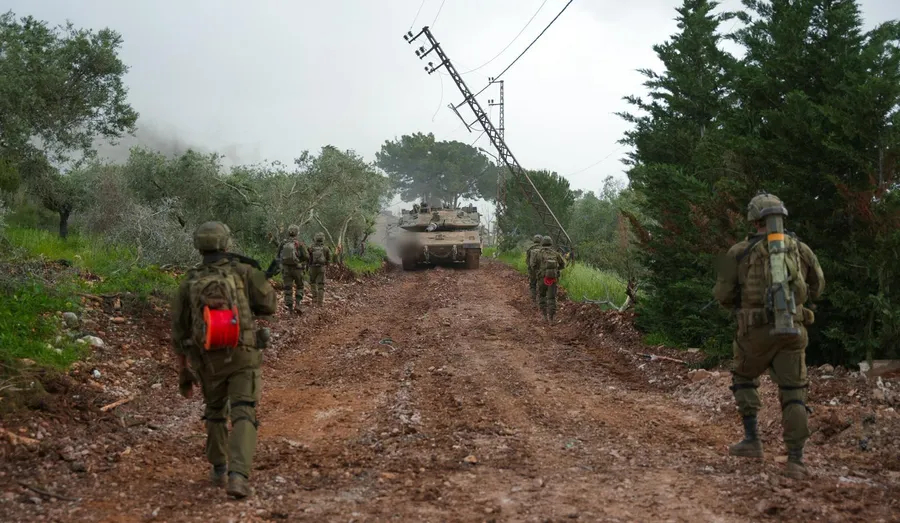
Lebanon’s latest conflict has deepened an already severe economic and political crisis. With billions needed for reconstruction, experts argue only a large-scale international recovery plan can restore stability. Strengthening state institutions, rebuilding infrastructure, and creating jobs may be the best chance for lasting peace.
UAE’s OPEC Exit Targets Iran’s War Economy
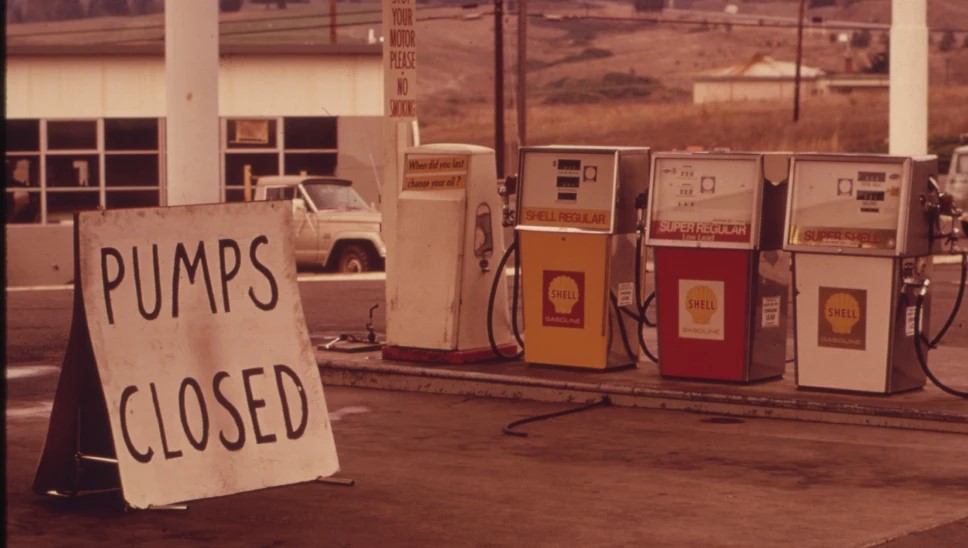
The UAE has announced its exit from OPEC effective May 1, 2026, signaling a major shift in Gulf energy politics. Abu Dhabi plans to increase oil production, aiming to weaken Iran’s revenue base during escalating regional tensions. The move could reshape OPEC dynamics and global energy markets.