The geographical reality of Central Asia dictates a continuous search for reliable trade routes connecting landlocked nations to global markets. Recently, escalating military and economic pressure on the Islamic Republic of Iran has severely threatened one of the region’s most crucial southern logistical arteries. The United States has initiated a sweeping sanctions campaign that jeopardizes extensive multinational transport networks. Despite these mounting geopolitical risks, abandoning the Iranian corridor remains an economically unviable option for Central Asian governments desperately seeking access to maritime commerce.
Vulnerability of Strategic Investments
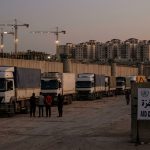
In late June, authorities in Astana secured a major twenty seven year agreement to develop a transport and logistics terminal at the Shahid Rajaee Port in Bandar Abbas. This strategic project promised Kazakhstan direct access to the Persian Gulf, facilitating increased cargo traffic toward South Asia and East Africa. However, the immediate security environment deteriorated rapidly following American military strikes targeting Iranian coastal and rail infrastructure. These kinetic actions physically damaged essential cross border connections and instantly elevated risk premiums for regional carriers.
These localized physical disruptions were recently compounded by a massive financial offensive from Washington. The United States Treasury Department formally launched Operation Economic Outcast, deploying aggressive secondary sanctions targeting global technology, shipping, and aviation sectors associated with Tehran. These measures implicitly threaten any foreign nation attempting to maintain logistical operations through Iranian territory. Yet, the unique geography of the Eurasian heartland severely restricts viable alternatives for overland access to the Indian Ocean. Unlike the trans Caspian Middle Corridor, which necessitates complex transitions between maritime and rail transport, the southern route offers continuous rail connections straight to deep water ports.
Economic Dependencies Beyond Direct Trade
Direct bilateral trade figures often fail to capture the true strategic value of Iranian territory for neighboring republics. While Uzbekistan maintains relatively modest direct commerce with Tehran, government estimates indicate that billions of dollars in essential Uzbek imports and exports transit exclusively through Iranian land routes. The finance ministry in Tashkent calculates that severe disruptions to this specific corridor could inflict massive economic damage, potentially costing the national economy over a billion dollars annually. Similarly, Tajikistan recently requested millions of tons of crude oil and petroleum products from Iranian suppliers, demonstrating an expanding reliance on southern energy networks.
Regional economic integration initiatives further solidify these logistical dependencies. A newly activated free trade agreement between the Eurasian Economic Union and Tehran has significantly reduced tariff barriers for participating states like Kazakhstan and Kyrgyzstan. The International North South Transport Corridor continues to experience substantial growth in cargo volumes, highlighting the commercial viability of this specific pathway. Even India remains heavily invested in the Chabahar port project to secure regional access while bypassing Pakistani territory, despite ongoing complications regarding American sanctions exemptions.
Diversification Over Abandonment
The escalating financial and military risks associated with utilizing Iranian infrastructure will inevitably increase insurance premiums and banking constraints. However, fully severing these southern transit connections would strategically isolate landlocked nations during a period of intense global volatility. To mitigate these overlapping threats, regional planners are actively developing multiple independent transport vectors simultaneously. Governments are expanding capacity along the Middle Corridor, optimizing northern routes through Russia, and investing in prospective trans Afghan railways.
Building a truly resilient logistics network requires maintaining redundant pathways rather than relying exclusively on a single geographical direction. Transitioning massive freight volumes between completely different transit corridors involves overcoming immense bureaucratic, logistical, and infrastructural hurdles. Therefore, while international sanctions undoubtedly complicate commerce, regional powers recognize that preserving the Iranian option remains absolutely essential. Maintaining diverse connections ensures that Central Asian economies can adapt whenever geopolitical crises disrupt alternative global supply chains.
Original analysis inspired by Editorial Staff from The Times of Central Asia. Additional research and verification conducted through multiple sources.