
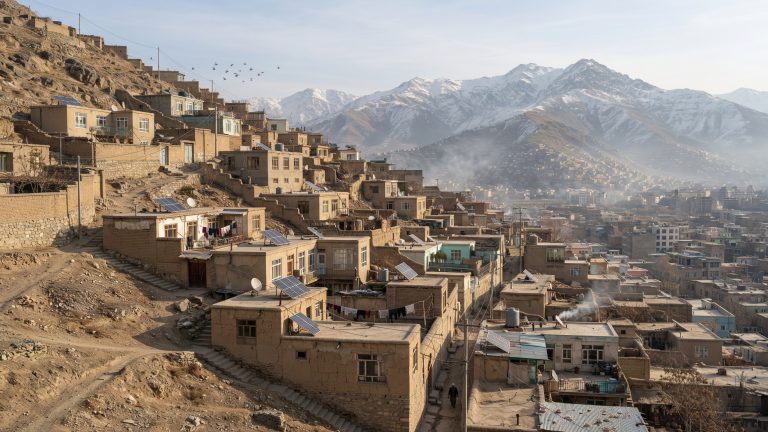
Five years after the United States withdrew from Afghanistan, policy analysts, aid agencies, human rights advocates, and diplomatic officials remain sharply divided over whether isolating Kabul helps or harms the Afghan public. Following an October visit to the country, New York University scholar Michael Shank argued that Western refusal to engage the Taliban has devolved into counterproductive virtue signaling that strips foreign capitals of leverage. Major humanitarian organizations share growing alarm over the human toll of diplomatic disengagement, even as they press Kabul to lift harsh restrictions on women. Human rights critics and Western diplomatic officials counter that normalizing ties without binding concessions risks legitimizing systemic gender persecution.
Engagement Arguments and Regional Realities
Supporters of diplomatic engagement contend that closed embassies leave Washington and its allies unable to shape events inside Afghanistan. Norwegian Refugee Council Secretary General Jan Egeland recently urged European and North American governments to reopen their missions in Kabul, stressing that talking directly with Taliban authorities does not require formal recognition. Shank similarly contended that keeping communication channels open reflects basic diplomatic tradecraft rather than endorsement, noting that several Afghans he met believe reform requires incentives alongside pressure. Meanwhile, the United Nations Office for the Coordination of Humanitarian Affairs projected that nearly 22 million Afghans require humanitarian assistance in 2026 amid economic stagnation, drought, and mass refugee returns.
Isolation also carries steep environmental and geopolitical consequences for a nation acutely exposed to extreme weather. Because the United Nations denies formal recognition to the Islamic Emirate, Afghanistan remains locked out of official representation at global climate summits such as the November 2026 conference in Antalya. That exclusion matters urgently as CNN reported that Kabul could become the first modern capital to exhaust its groundwater supplies by 2030, even while Afghan communities rapidly install solar panels to secure local power. On the geopolitical front, Moscow formally recognized the Taliban administration in July 2025, demonstrating that regional powers are filling the diplomatic vacuum left by Western capitals.
Human Rights Red Lines and International Accountability
Critics of normalization insist that engagement without clear conditions rewards repression and erodes international law. Human Rights Watch documented that Taliban authorities intensified restrictions on women, girls, and independent media over the past year, leaving Afghanistan the sole nation barring girls from secondary schools and universities. International legal pressure also escalated in October 2026 when the International Criminal Court unsealed four arrest warrants against Supreme Leader Haibatullah Akhundzada and three senior officials for alleged crimes against humanity involving gender persecution. For rights advocates, those warrants raise a stark barrier against treating the Taliban as a standard diplomatic partner while its leadership faces international prosecution.
Diplomatic officials have long maintained that formal recognition remains one of the few meaningful tools available to press Kabul on fundamental freedoms. Former United Nations Assistance Mission in Afghanistan chief Roza Otunbayeva previously told the Security Council that the Taliban seek global acceptance while violating core principles of the United Nations Charter, making recognition nearly impossible under current edicts. Analysts at The Washington Institute similarly observed that five years of regional outreach by states such as Russia and China have expanded Taliban legitimacy without yielding meaningful domestic concessions. Yet Shank countered that Western capitals apply human rights standards selectively, maintaining embassies in countries whose leaders also face international war crimes warrants.
The Path Ahead for Kabul and Western Capitals
Bridging this divide forces Western policymakers to distinguish between pragmatic diplomatic presence and full political endorsement. Reopening technical channels or consular offices could improve aid coordination, climate resilience funding, and direct advocacy for Afghan women without granting formal recognition. Skeptics warn, however, that any diplomatic thaw will fail unless donors link economic relief and international standing to verifiable benchmarks on girls’ education and women’s employment. Until Western governments and Kabul find a workable middle ground, ordinary Afghans will continue bearing the heaviest burden of both domestic repression and global isolation.
Original analysis inspired by Michael Shank from Responsible Statecraft.
Additional research and verification conducted through multiple sources.