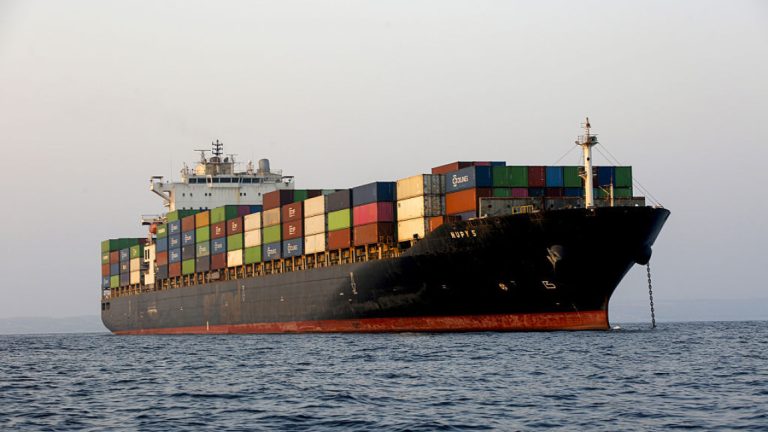
The Strait of Hormuz has become both a battlefield and a bargaining table. Iran has shown that it can make passage dangerous and expensive, but it has not established uncontested control over the waterway. The United States says commercial traffic continues under military protection, while Tehran insists normal navigation will not return until Washington meets political and economic conditions. That gap has turned Hormuz from a shipping route into one of the central pressure points in the wider United States Iran confrontation.
The economic stakes explain why neither side can treat the strait as a local dispute. Before the war, the US Energy Information Administration reported that about 20.9 million barrels of oil per day moved through Hormuz in the first half of 2025, equal to roughly 20 percent of global petroleum liquids consumption. Saudi Arabia and the UAE have pipelines that can bypass the strait, but their combined spare route capacity covers only part of normal Hormuz flows. Any durable restriction therefore raises costs for Gulf exporters, Asian importers, insurers, shipping companies, and consumers far beyond the region.
A contested maritime order
Iran and Oman have tried to turn military risk into a negotiated traffic system. In August, the two coastal states agreed on a temporary corridor whose entry and part of its exit would pass through Iranian territorial waters. Tehran later offered to reopen the strait within seven days if Washington accepted a package that included ending the blockade on Iranian ports, easing sanctions on oil exports, and halting regional hostilities. The proposal gives Iran negotiating leverage, but it does not give Tehran an internationally accepted right to decide who may use Hormuz.
International institutions have drawn that line clearly. The International Maritime Organization has reaffirmed that transit through straits used for international navigation must not be impeded or suspended. This matters because the emerging arrangement is not simply Iranian control replacing the old order. It is a contested system in which Iran can threaten traffic, the United States can protect selected shipping, Oman can broker practical routes, and commercial operators decide whether the remaining risk is acceptable.
The June memorandum between Washington and Tehran briefly offered another model. United Nations discussions recorded provisions for safe commercial passage and demining while wider negotiations continued. That framework later broke down amid renewed attacks and mutual accusations of violations. By October, Reuters reported that Washington still wanted nuclear concessions before wider progress, while Iran demanded movement on the blockade and sanctions before returning to negotiations.
Gulf states adapt to permanent risk
The crisis has also exposed the limits of Iran’s leverage. Middle Eastern oil exports have rebounded through alternative pipelines, Red Sea terminals, ship transfers, and protected routes even though traffic through Hormuz remains below normal levels. That adaptation cannot make the strait irrelevant, but it reduces the likelihood that any single actor can permanently dictate regional energy flows. It also gives Saudi Arabia and the UAE a strong reason to invest further in routes that bypass the chokepoint.
For Oman, the crisis creates a different kind of influence. Muscat’s geography and long record of maintaining channels with both Iran and Western governments make it central to any practical settlement. Qatar and Pakistan have also acted as mediators, suggesting that Gulf security is increasingly being negotiated through several regional capitals rather than managed solely through Washington and Tehran.
The lasting change may therefore be political rather than territorial. Iran has demonstrated that disruption in Hormuz can impose global costs and force negotiations, while the United States has demonstrated that military power can keep significant trade moving without restoring normal conditions. Gulf governments now have stronger incentives to diversify export routes, shipping arrangements, and security partnerships. The future of Hormuz will depend less on who claims to control it than on whether regional and international actors can build rules that make access predictable without allowing the waterway to become a permanent instrument of coercion.
Original analysis inspired by Ayman Khalil and Fadel Kaseb from The New Arab. Additional research and verification conducted through multiple sources.