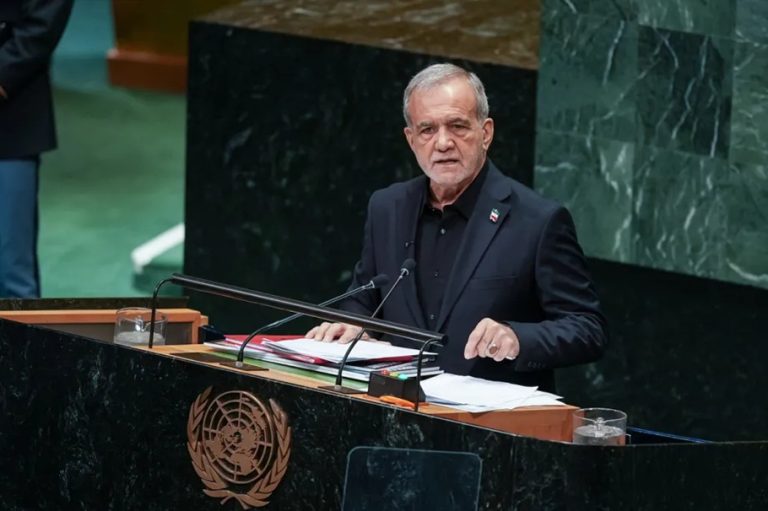
Global attention focused heavily on New York this week as Iranian and American leadership exchanged hostile rhetoric during the annual United Nations summit. President Masoud Pezeshkian delivered a defiant address condemning recent military strikes while the American delegation departed the assembly room in protest. Behind this highly public theatrical posturing a critical geopolitical maneuver unfolded in private corridors. Tehran delivered a strict written ultimatum giving Washington merely days to accept a phased cessation of hostilities.
This proposed roadmap heavily mirrors the previous diplomatic framework that both nations negotiated earlier this summer. That initial understanding outlined a temporary truce along with the lifting of maritime restrictions to allow the resumption of commercial traffic. The deal quickly collapsed following controversial attacks on international shipping vessels in July. Now Iranian officials demand a return to those exact parameters. They are promising to reopen the Strait of Hormuz within a week if American forces dismantle their current naval blockade.
Traditional western brokers remain noticeably absent from these urgent negotiations. Instead regional actors currently mediate the dispute. Pakistan originally brokered the June agreement and maintains a desperate economic incentive to prevent further regional escalation. A sustained maritime closure threatens vital energy imports and foreign remittances that keep the Pakistani currency afloat. Similarly Qatar leverages its longstanding historical ties with both adversaries to push for immediate peace. Sitting dangerously close to the contested waterways Doha views any armed confrontation as a direct threat to its own natural gas export infrastructure.
The Influence of Emerging Brokers
This crisis illustrates a fundamental shift in how international disputes are managed. China has also entered the diplomatic fray by utilizing its massive economic leverage as a major global energy consumer. Top diplomats in Beijing publicly urged both combatants to reinstate the previous peace framework just days before planned bilateral meetings in Washington. This coordinated pressure from various capitals demonstrates that emerging powers are increasingly willing to step into voids left by shifting American foreign policy.
Ultimately the success of this diverse mediation network depends on a simple strategic calculation in Washington. American officials must decide whether signing a renewed agreement carries fewer risks than maintaining the current military posture. These middle powers can facilitate dialogue and keep communication channels open but they lack the hard power to force a resolution. The impending deadline will reveal whether this decentralized style of diplomacy can effectively halt a major global conflict.
Original analysis inspired by Mansoor Qaisar from Middle East Monitor. Additional research and verification conducted through multiple sources.