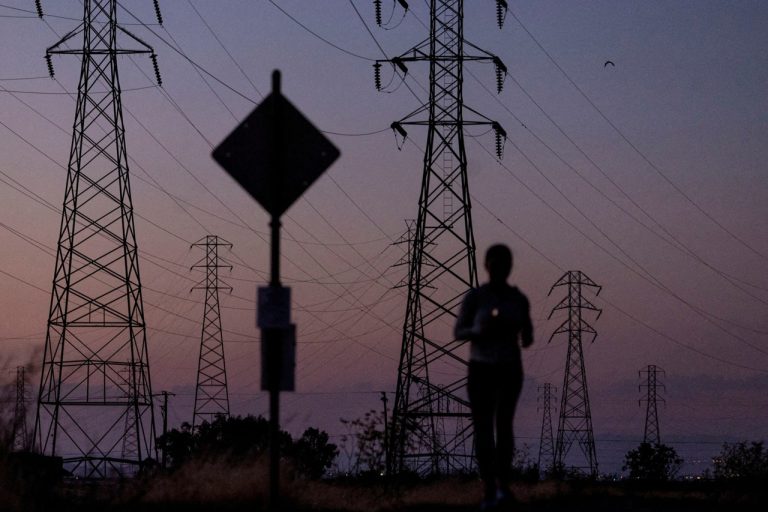
The United States faces an escalating crisis as foreign state-sponsored hackers increasingly compromise vulnerable critical infrastructure. Recently, federal law enforcement seized internet domains used by Chinese hacking networks to successfully infiltrate NASA, the Federal Reserve, and other sensitive government agencies. This successful disruption follows previous takedowns of massive botnets and malware infections nationwide. However, despite these tactical victories, American physical infrastructure remains highly exposed due to chronic underinvestment in modernization and poorly secured digital technology. For instance, suspected Iranian operatives recently targeted the programmable logic controllers governing vital water and wastewater utilities across at least twelve different states.
The rapid evolution of artificial intelligence drastically accelerates these digital threats. Advanced large language models now possess sophisticated coding capabilities that significantly reduce the time and technical expertise required to launch complex cyberattacks. As adversaries quickly develop their own matching generative models, the ultimate strategic advantage will shift to the nation that can deploy these autonomous technologies for network defense the fastest. Over the past decade, Beijing systematically built a cyber apparatus that fully rivals American capabilities in both scale and strategic alignment. The resulting asymmetry places vital civilian systems—from telecommunications networks to power grids—under permanent digital siege.
Structural Reforms and Strategic Deterrence
Addressing this widening gap requires comprehensive structural reform rather than simple reactionary measures. A new Council on Foreign Relations report proposes a multipronged approach focused heavily on building shared visibility into adversarial campaigns through deeper private sector integration. The government must actively impose costs on foreign operations by degrading hostile infrastructure while simultaneously enhancing domestic network resilience. Shifting market incentives to prioritize secure technology products and restructuring outdated internet architecture will make critical systems substantially cheaper and easier to defend. Ultimately, executing these initiatives demands an empowered federal government capable of recruiting top technical talent and enforcing baseline security requirements.
Implementing these defenses also requires robust diplomatic posturing, especially during high level bilateral engagements. When the American president meets with his Chinese counterpart, projecting a credible deterrent message is absolutely essential. However, the current administration previously equated adversarial cyber operations with standard American intelligence gathering, inadvertently undermining broader diplomatic leverage. Delaying comprehensive structural reforms only narrows the range of available responses while allowing foreign access to further jeopardize the very systems required for the nation to function and govern effectively.
Original analysis inspired by Adam Segal from Council on Foreign Relations. Additional research and verification conducted through multiple sources.